‘Somewhere’ Eco-resort
Rewilding and eco-resort masterplan
February - August 2021
with Ananas Design
Role: Primary designer (design development, maps, reports)
Project lead: Ar. Himanshu Arteev
Collaborators: Jananee Mohan, Nikhil Rodrigues, Mandeep Singh, Nishant Seth, Varun Behroonani
Bhabar region in the Shivalik Hills, buffer zone of Jim Corbett National Park, Uttarakhand
12.5 acres | 750m ASL
Monsoon influenced humid subtropical climate
1743 mm annual rainfall | Alluvial sandy loam
Terai-duar savanna / Upper Gangetic Plains moist deciduous forest / Tropical mixed sal forest
Masterplan and design strategies
The design envisioned a 12.5 acre eco-resort and private forest reserve, focused on rewilding and restoring wildlife corridors within a sensitive landscape. The client’s vision for “Somewhere” was a tranquil sanctuary for both wildlife and visitors, fostering coexistence, reverence and slow exploration guided by the rhythms of the forest.
Challenges included degraded land, erosion, lack of proper access due to the surrounding forests, and frequent elephant movement.
Key strategies included placing human habitation within a fenced zone (Zones 0 and 1), leaving most of the land dedicated to wild zones (Zones 4 and 5). The design used natural topography and water flows to create interconnected wetlands, streams, ponds and basins, while trails, treehouses and decks outside the habitation zone enabled immersive yet low-impact wildlife observation.
The habitation zone accommodated luxury cottages, kitchen and dining spaces, staff and service zones, dormitories, and an owner’s cottage. This was supported by landscaping - seasonal water bodies, ponds next to cottages, courtyards, seating, pathways and living fences for privacy.
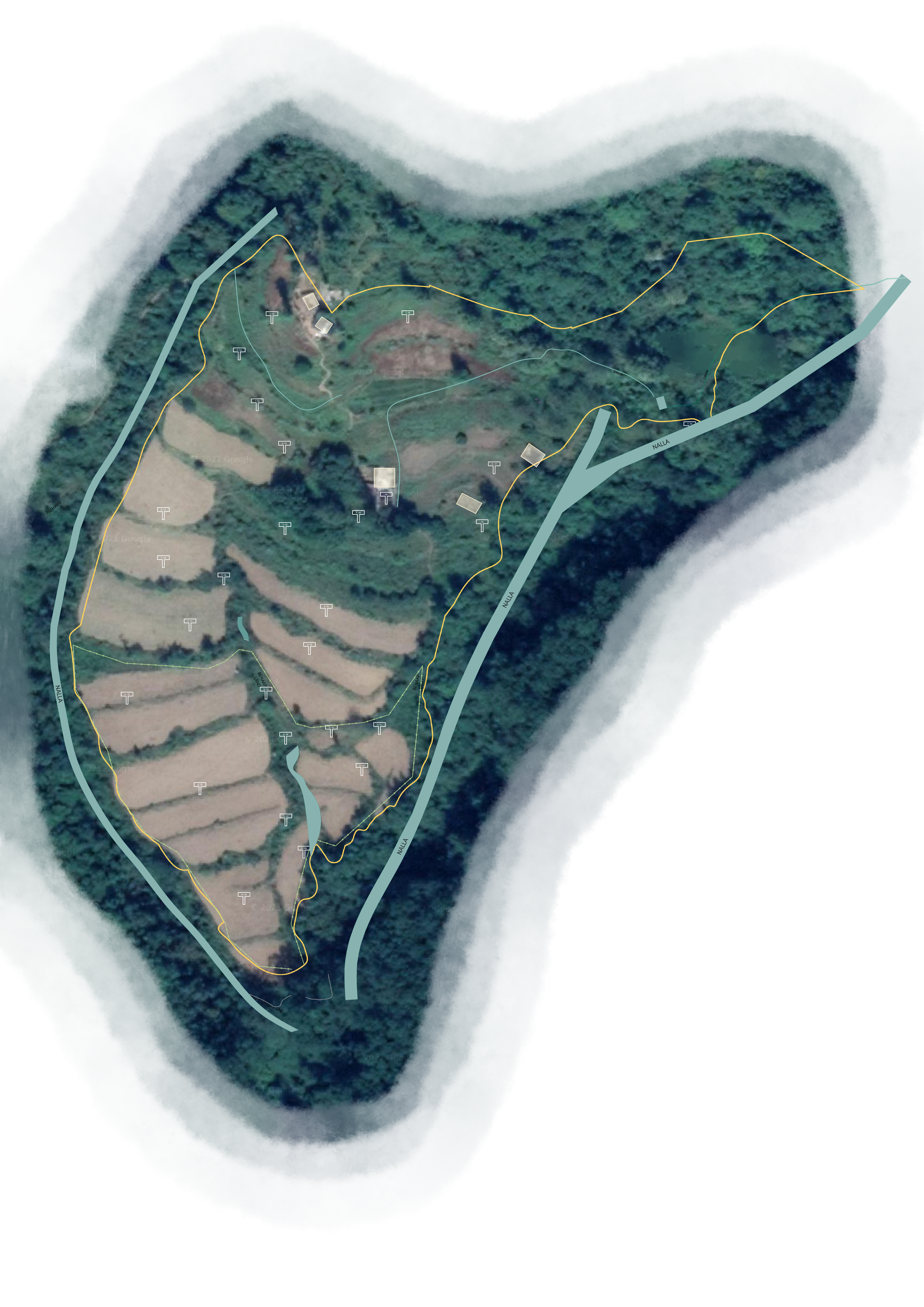
Base Map
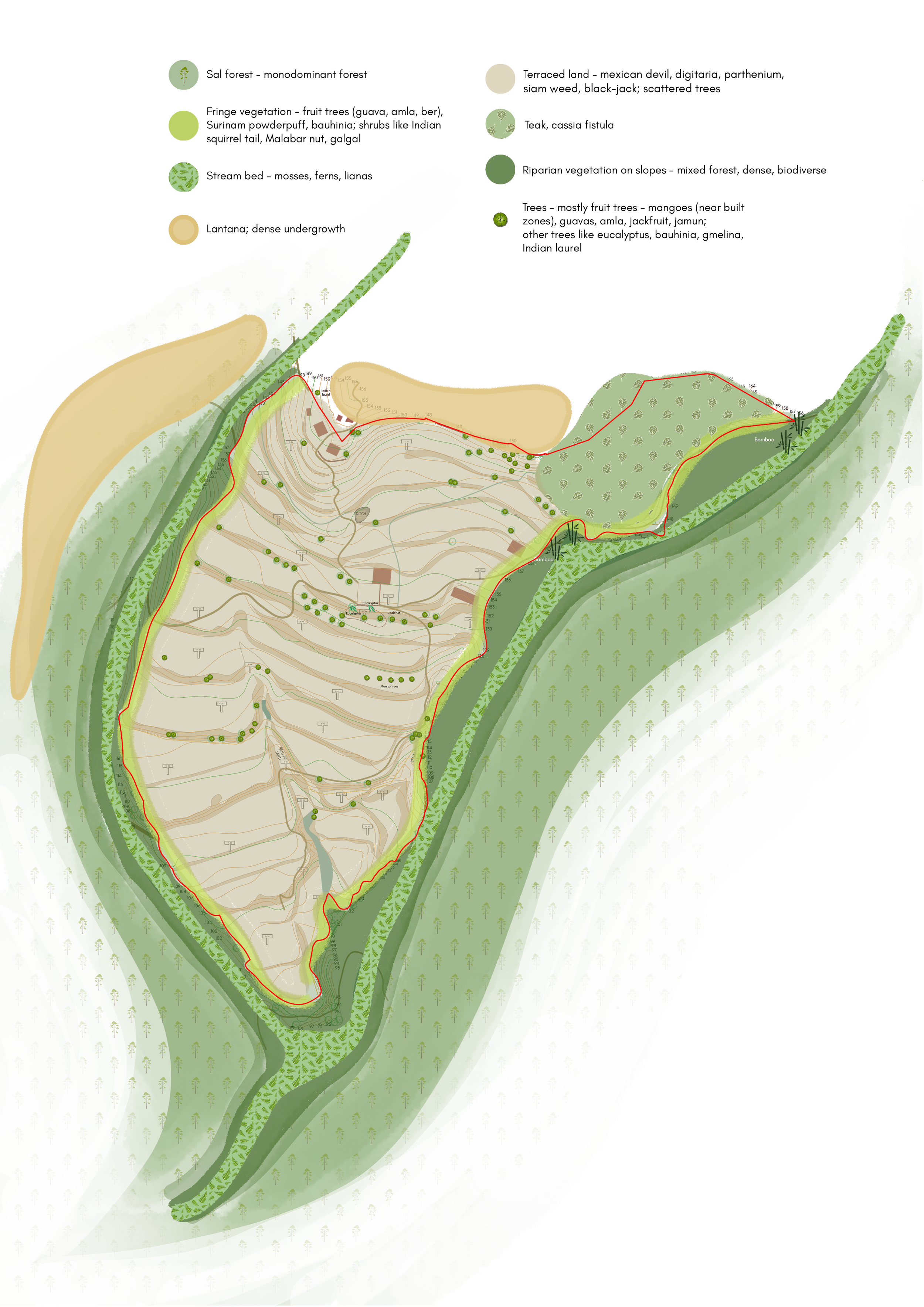
Vegetation Map
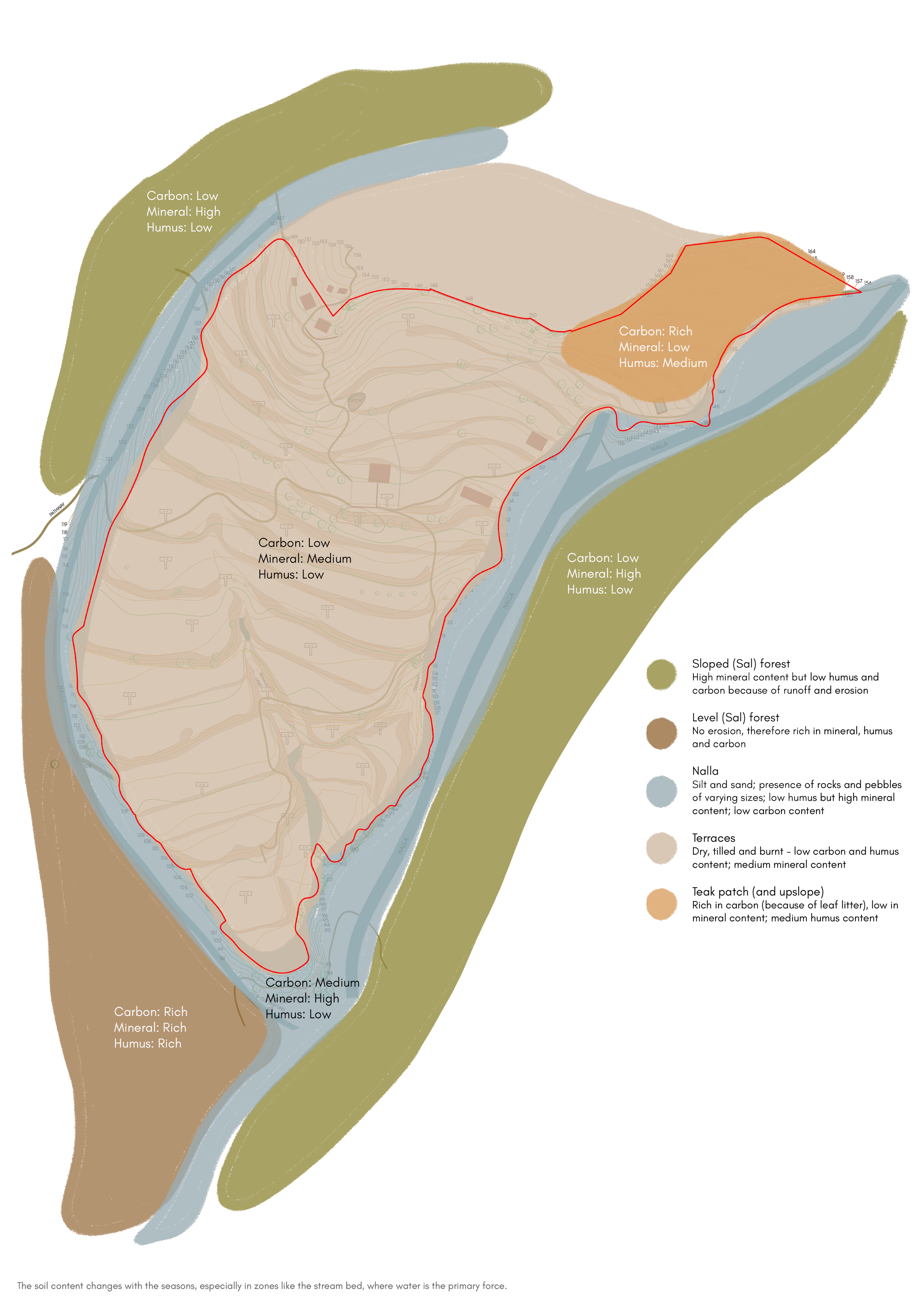
Soil Zones
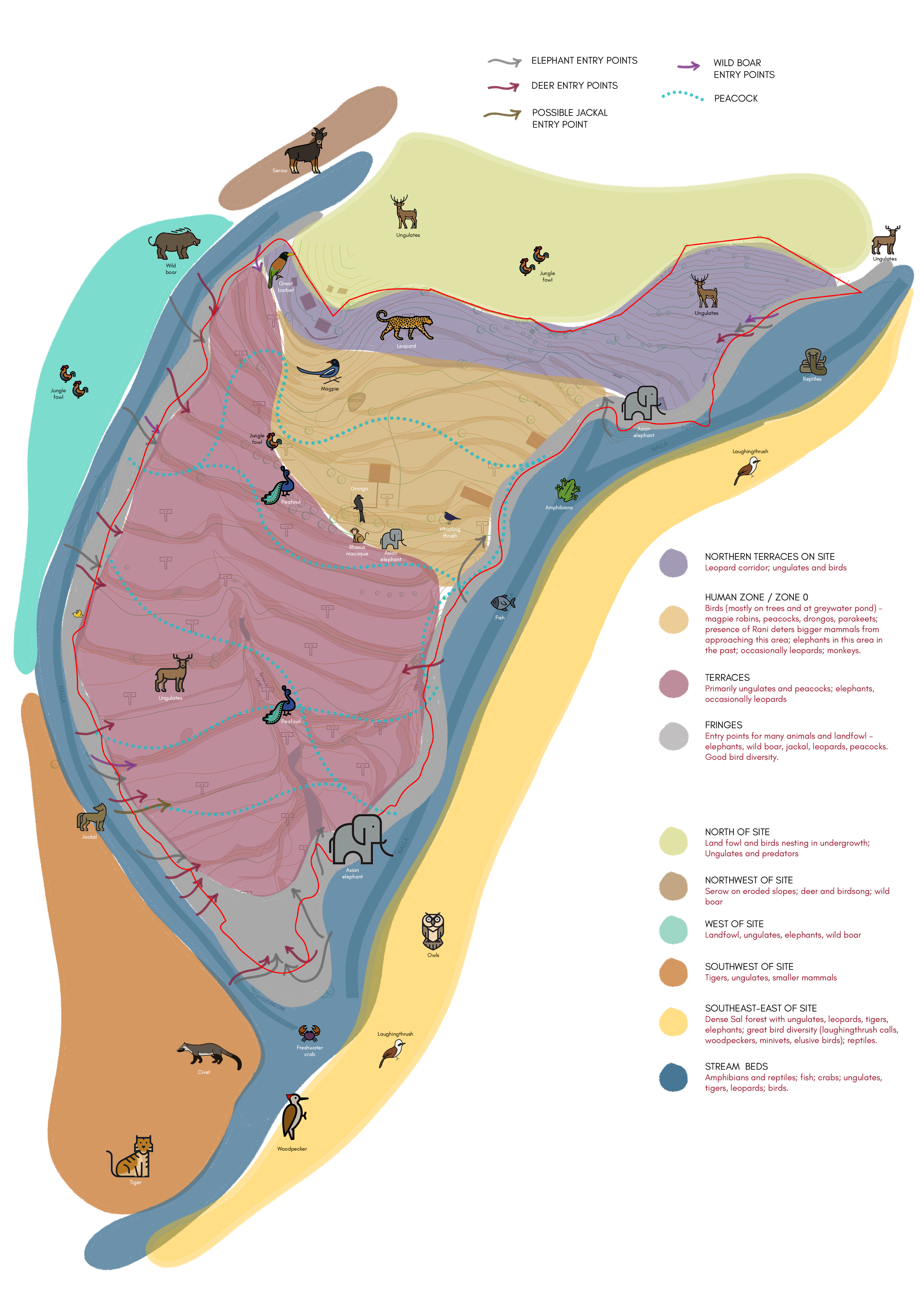
Fauna Map
The rewilding zones were designed to support different groups of flora and fauna. Since the land was degraded and terraced, these terraces were used as natural boundaries between zones. Design cues came from nearby forests, including dense canopy patches, grassy clearings, seasonal and perennial streams. A faunal species matrix was developed to assess which zones would support specific species, and to track progress over time.
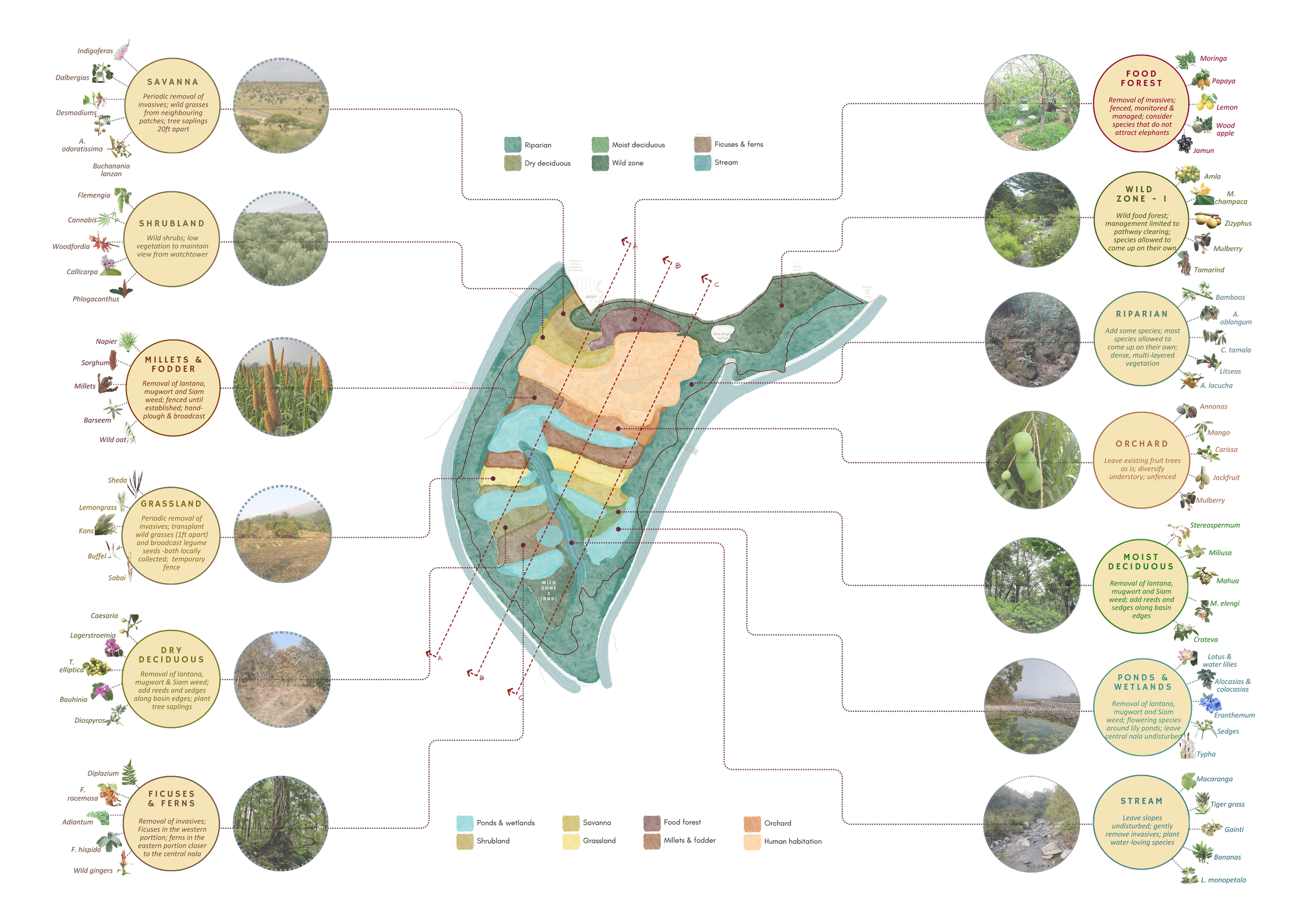
Rewilding zones
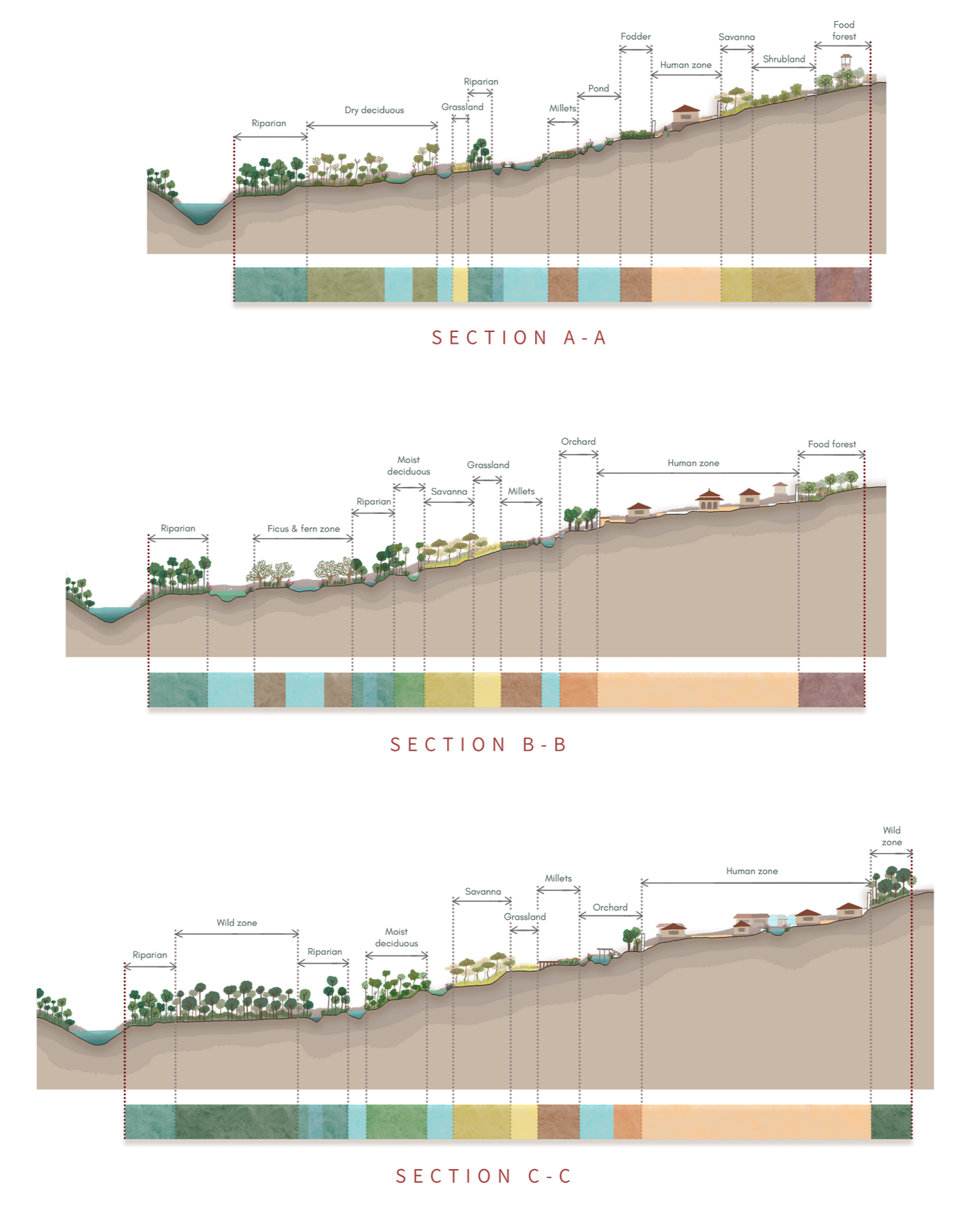
Rewilding zones - sections
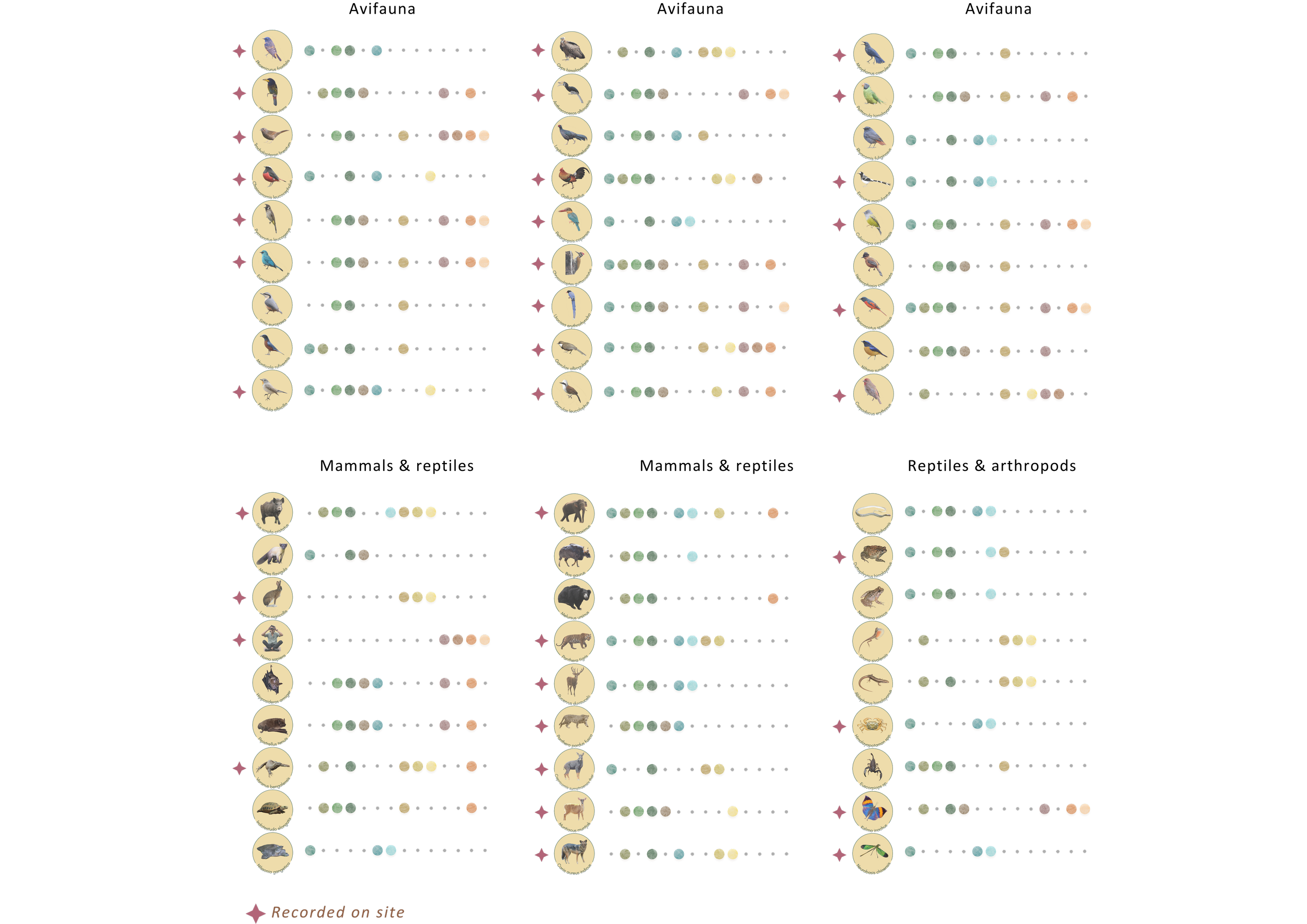
Rewilding zones - fauna matrix

Site - terraces, degraded soil, invasive species
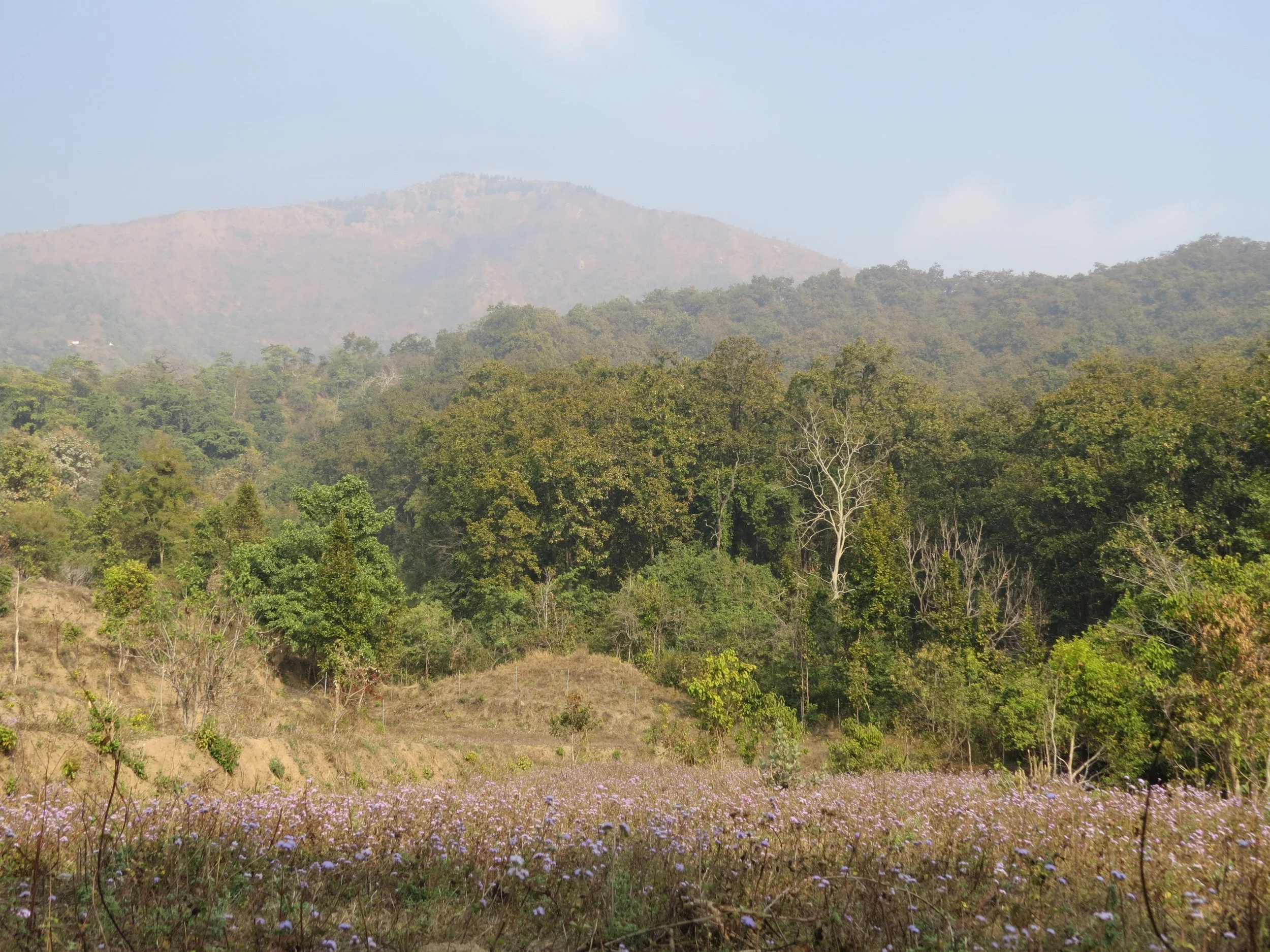
View of site
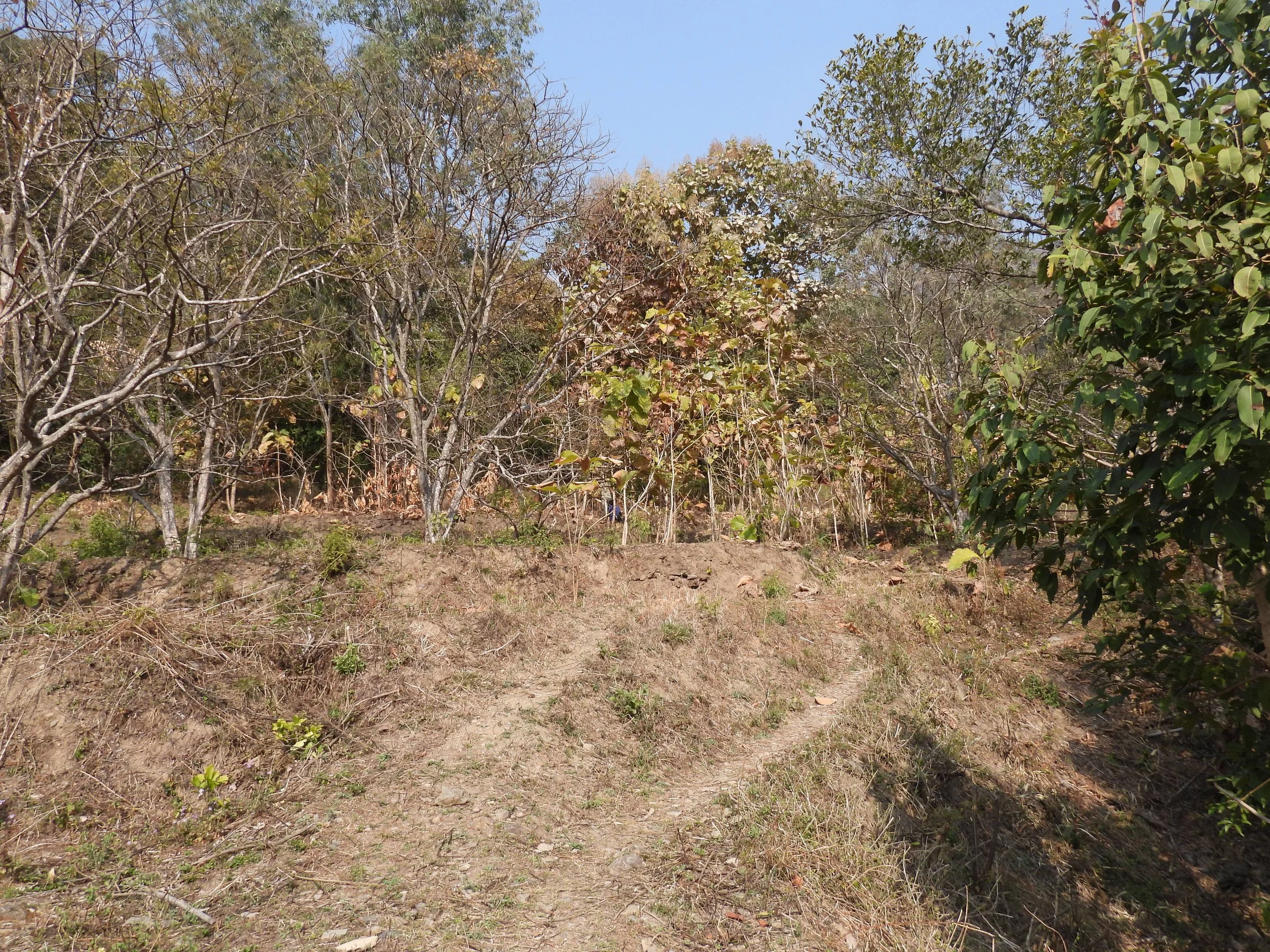
Northern section of site
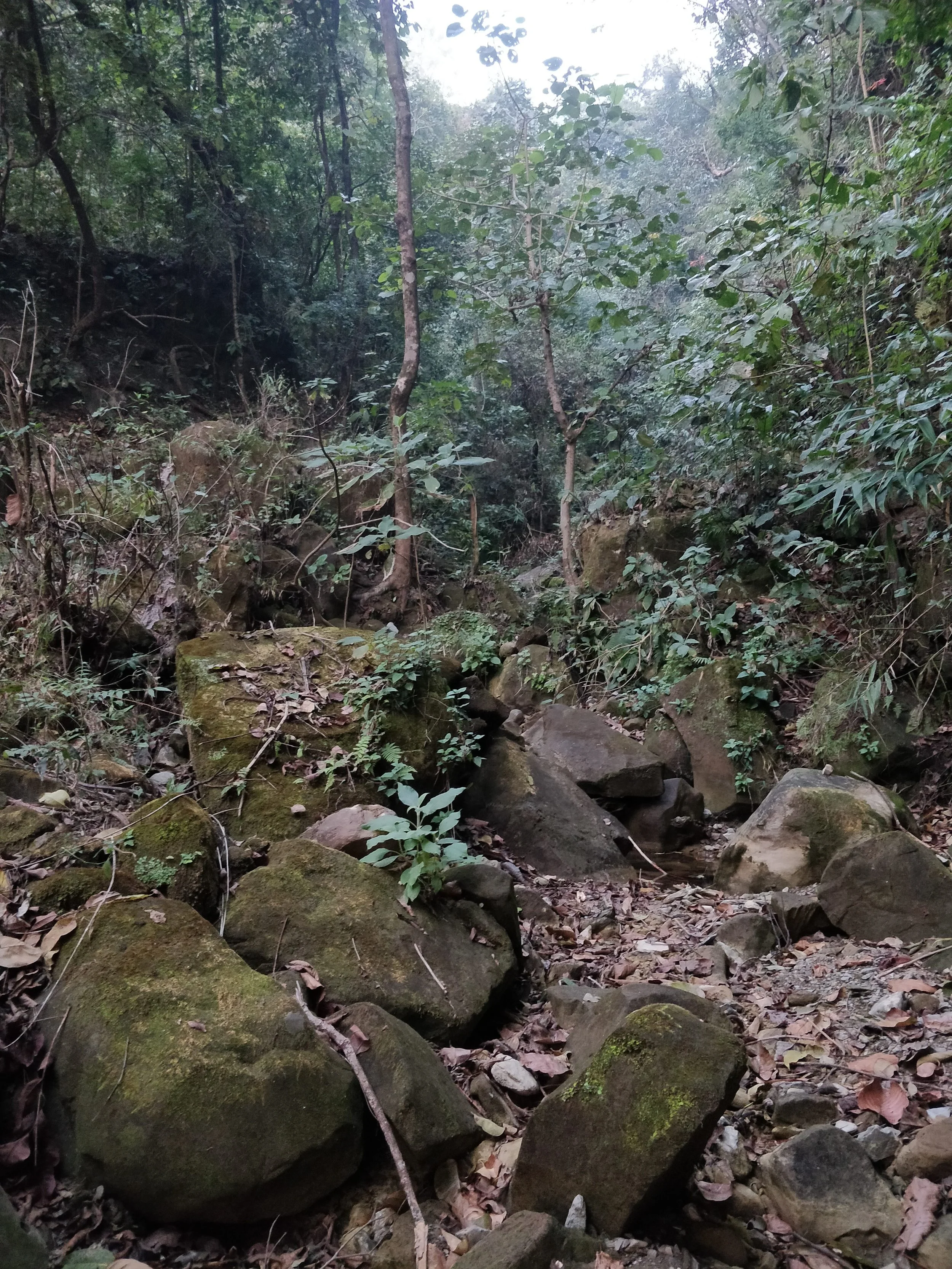
Stream bordering site
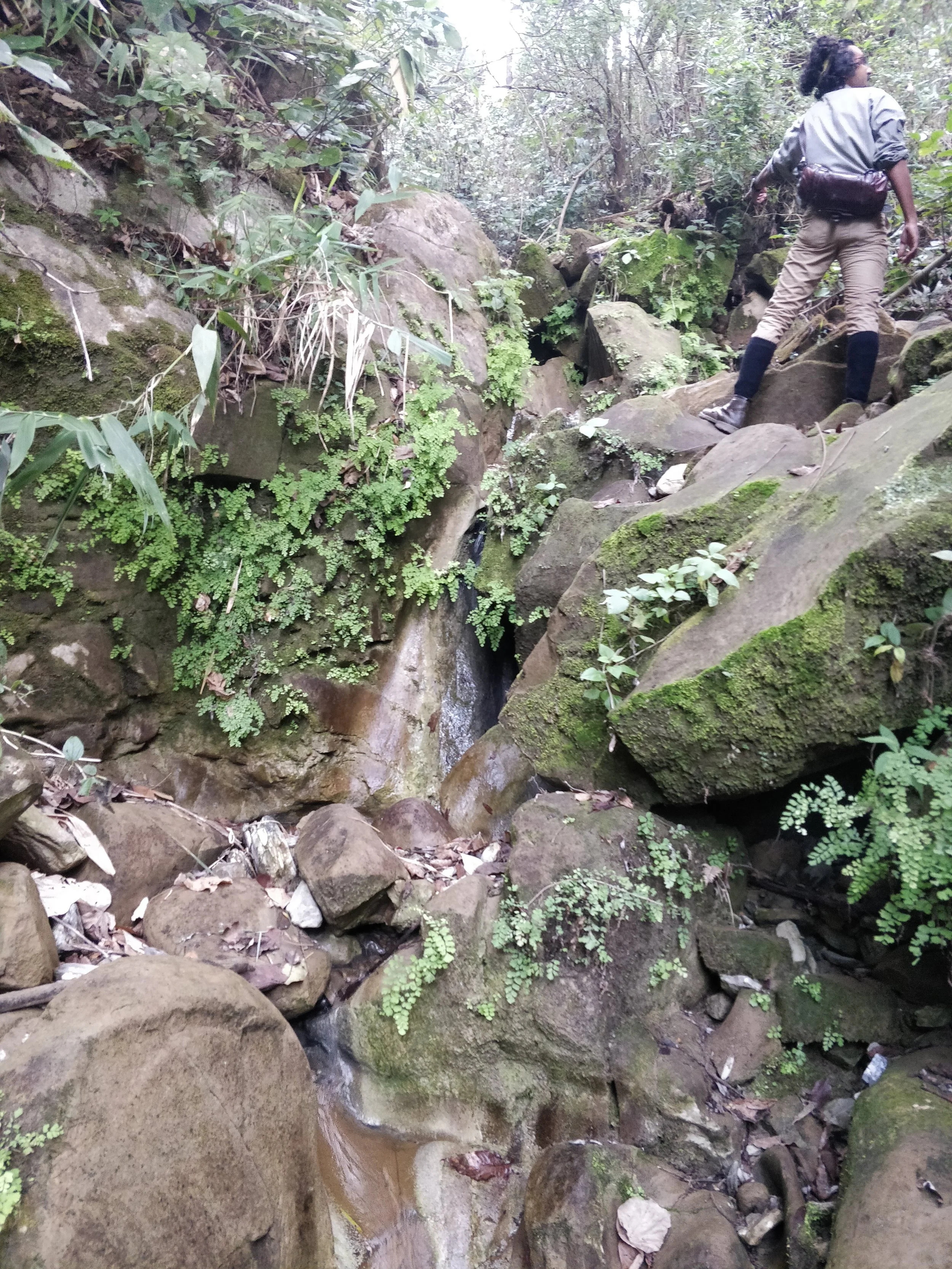
Perennial stream bordering the site
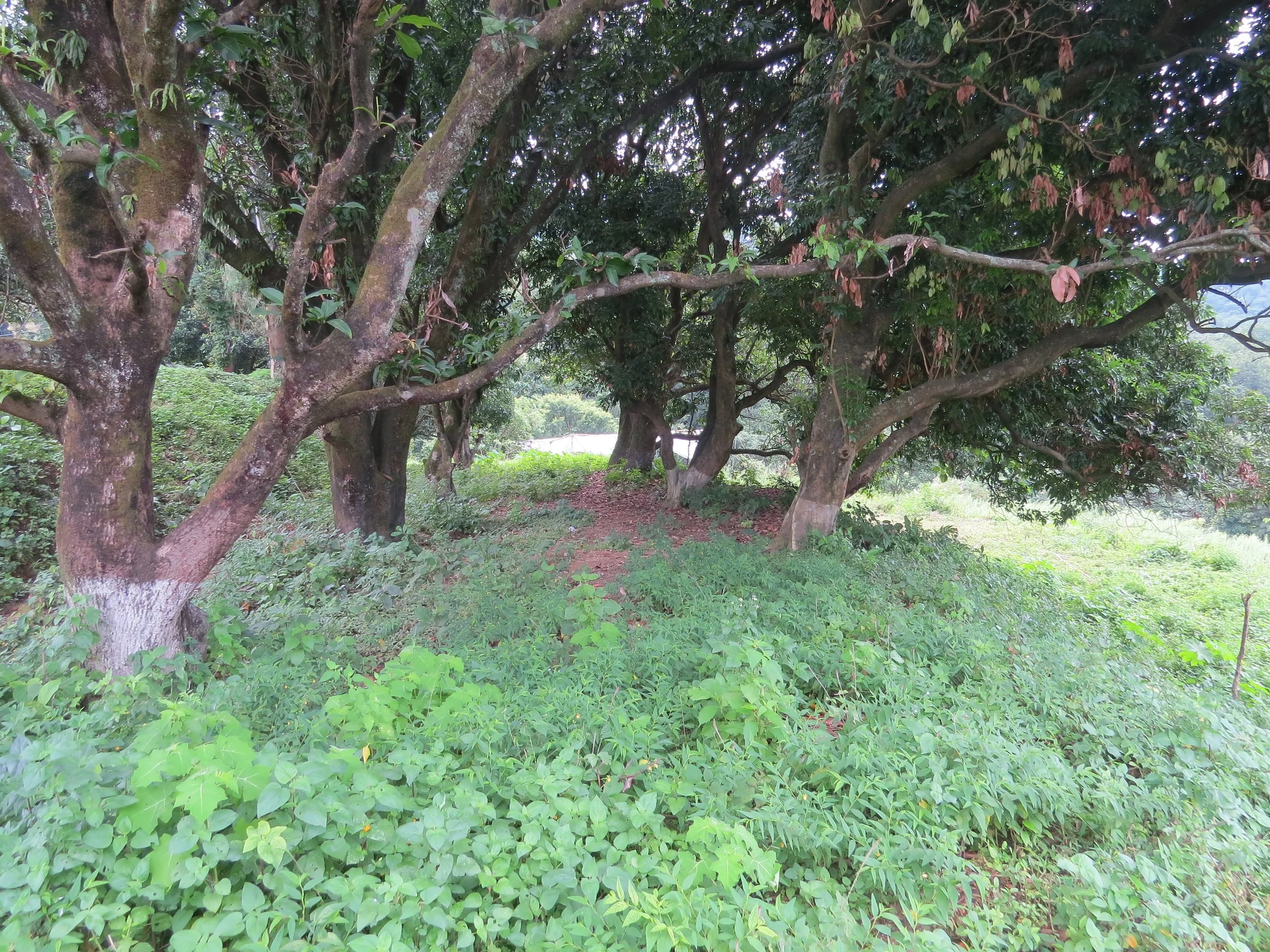
Mango orchard on site - a favourite of the elephants
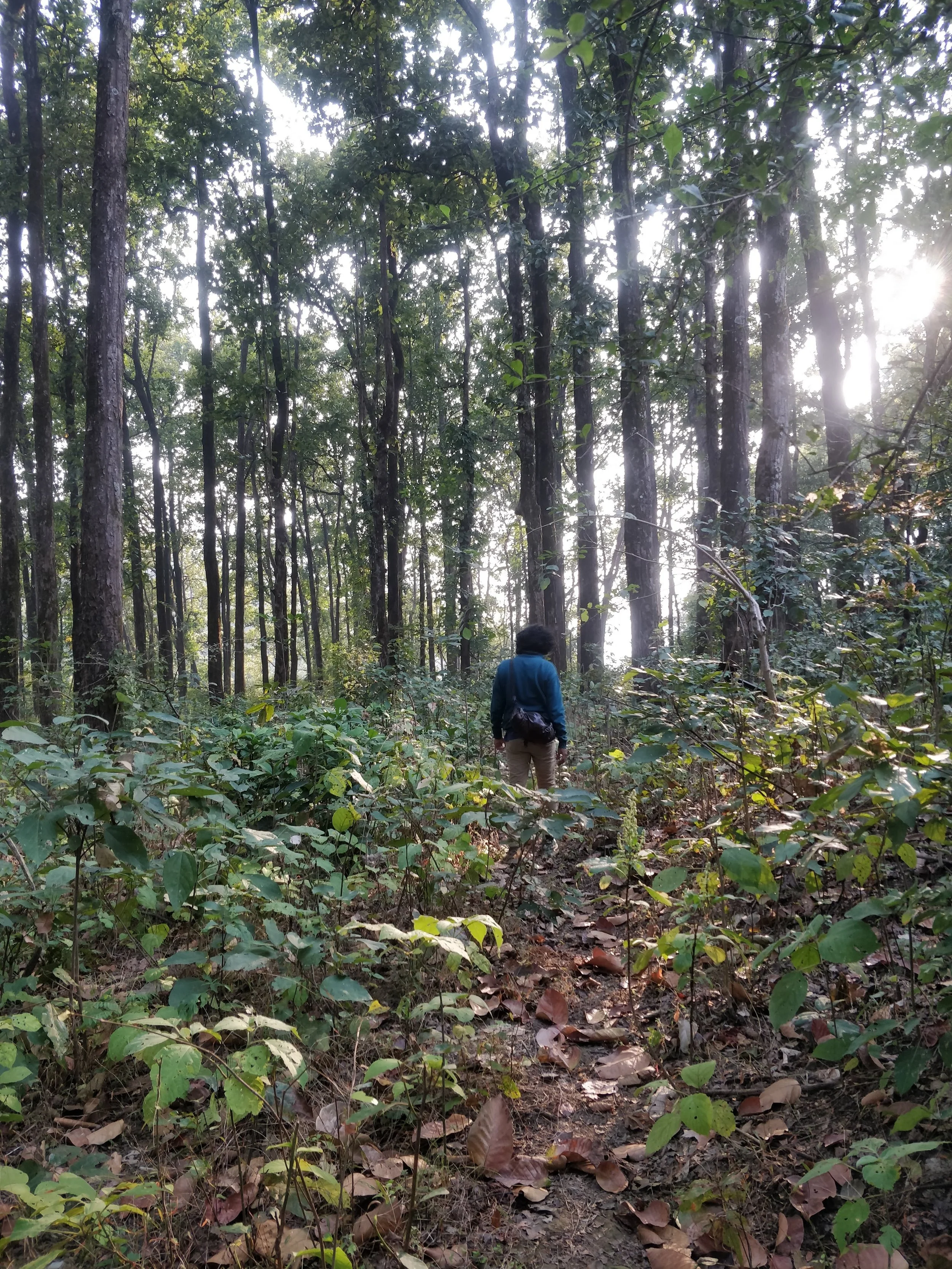
Sal forest bordering site
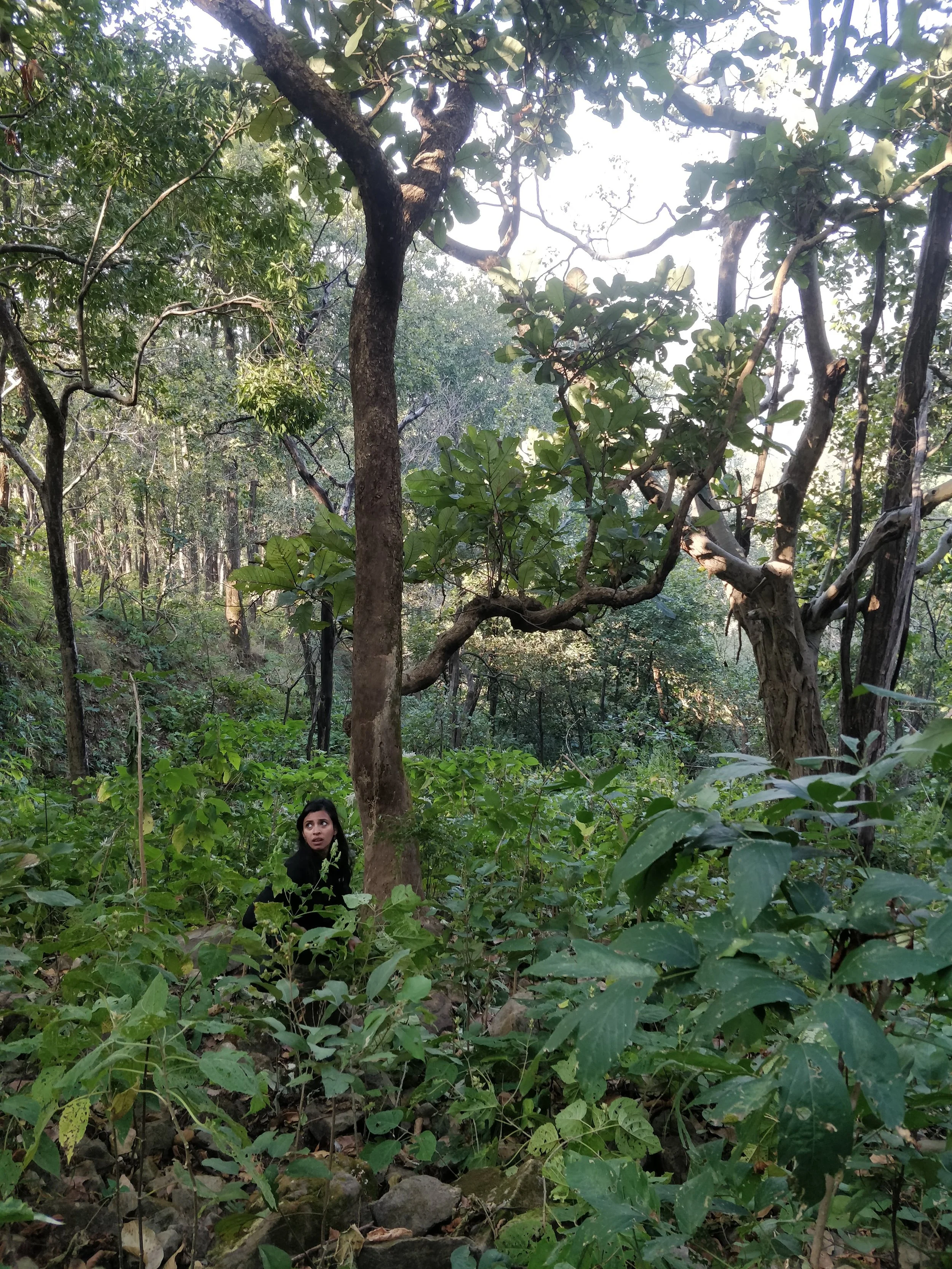
Sal forests bordering site
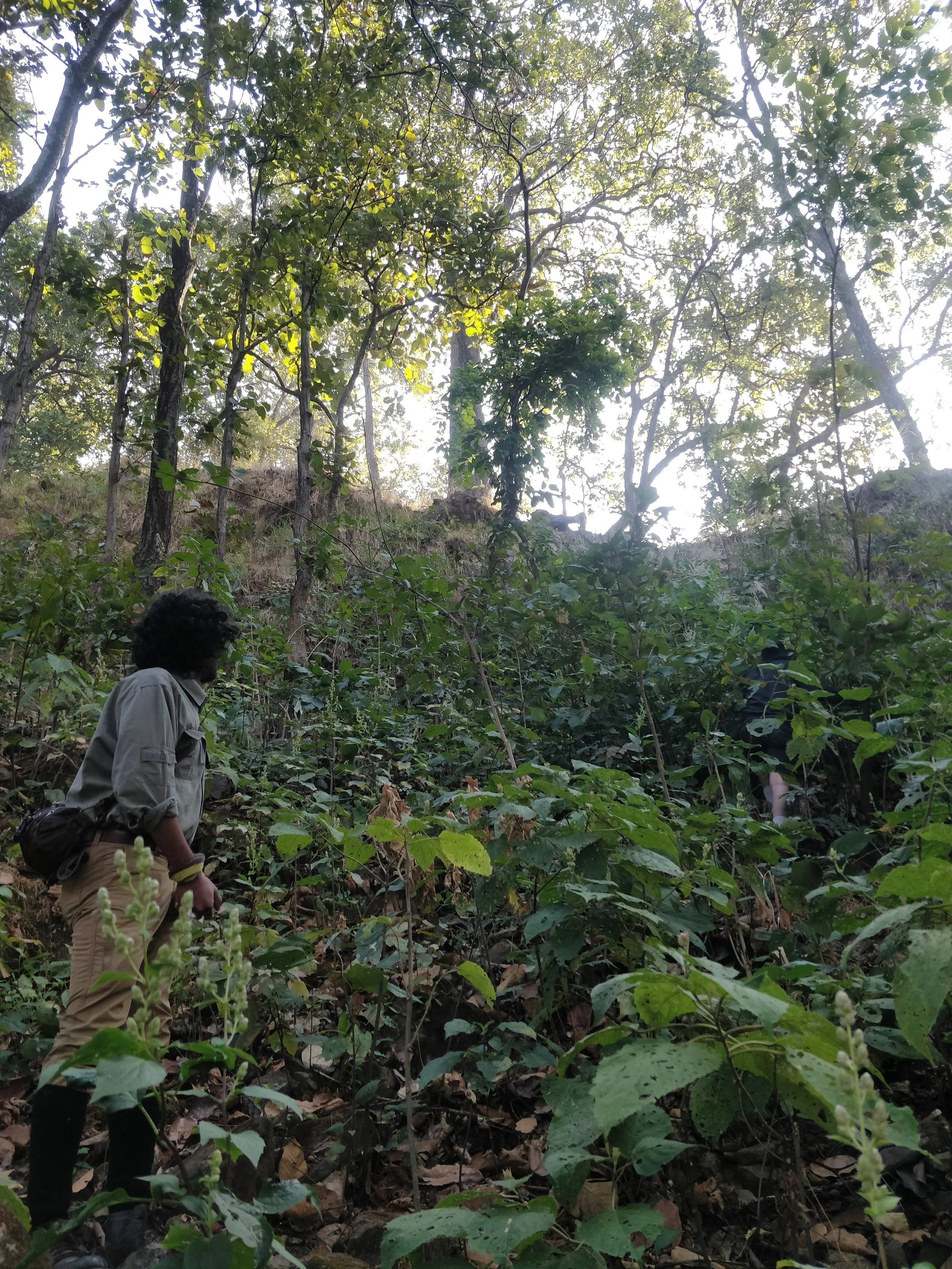
Sal forest with steep slopes
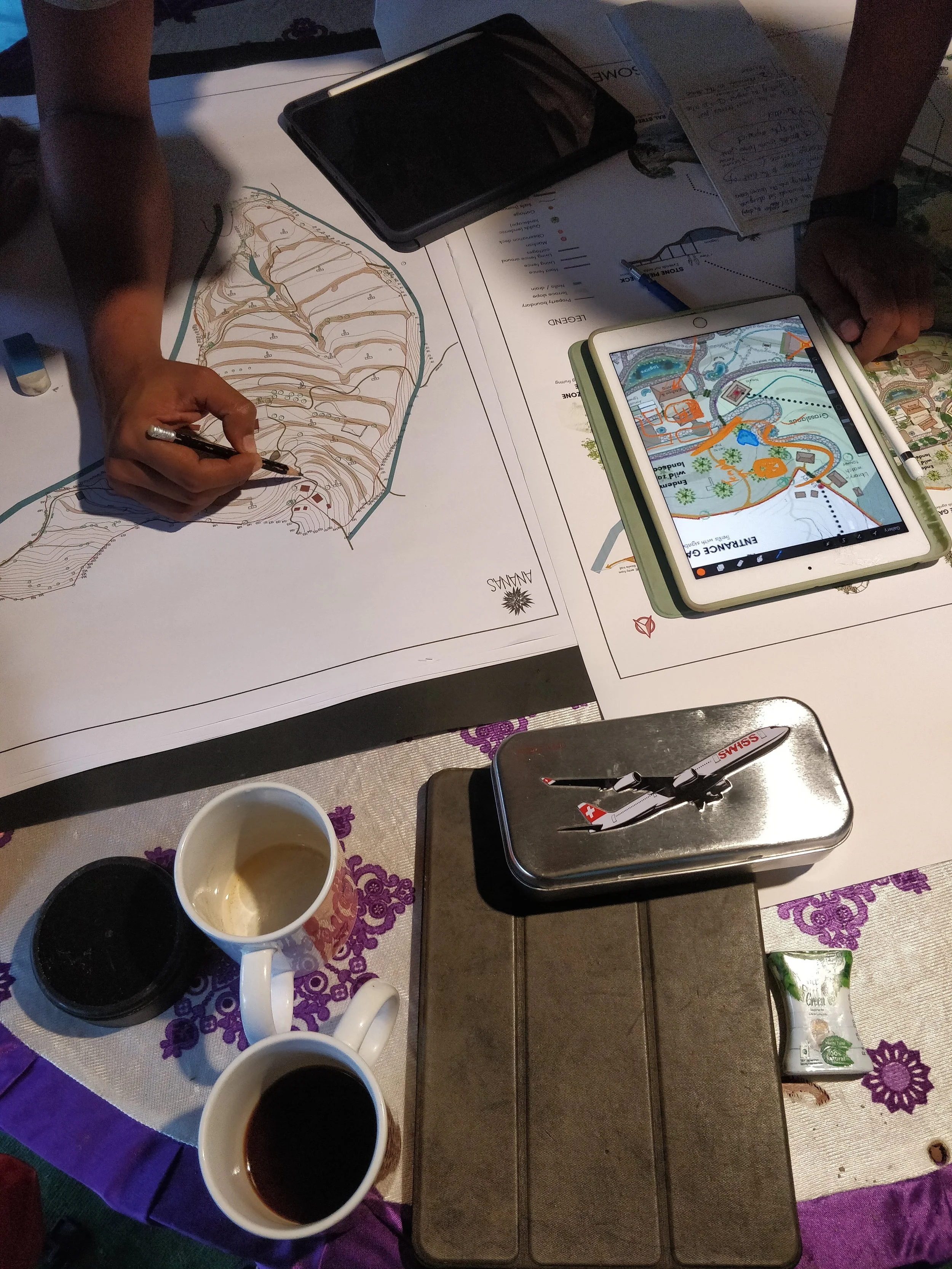
Design discussions on site
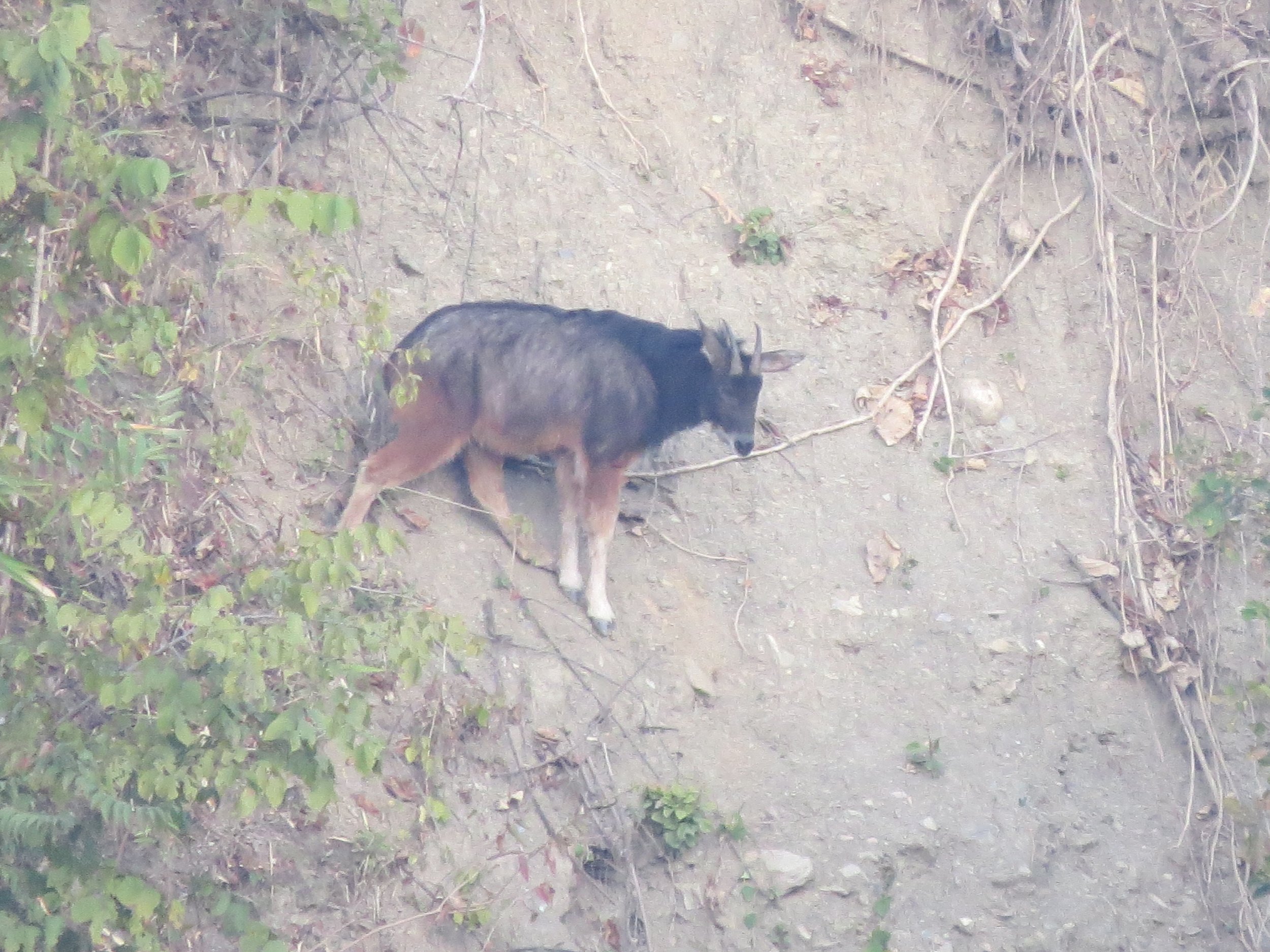
Himalayan serow
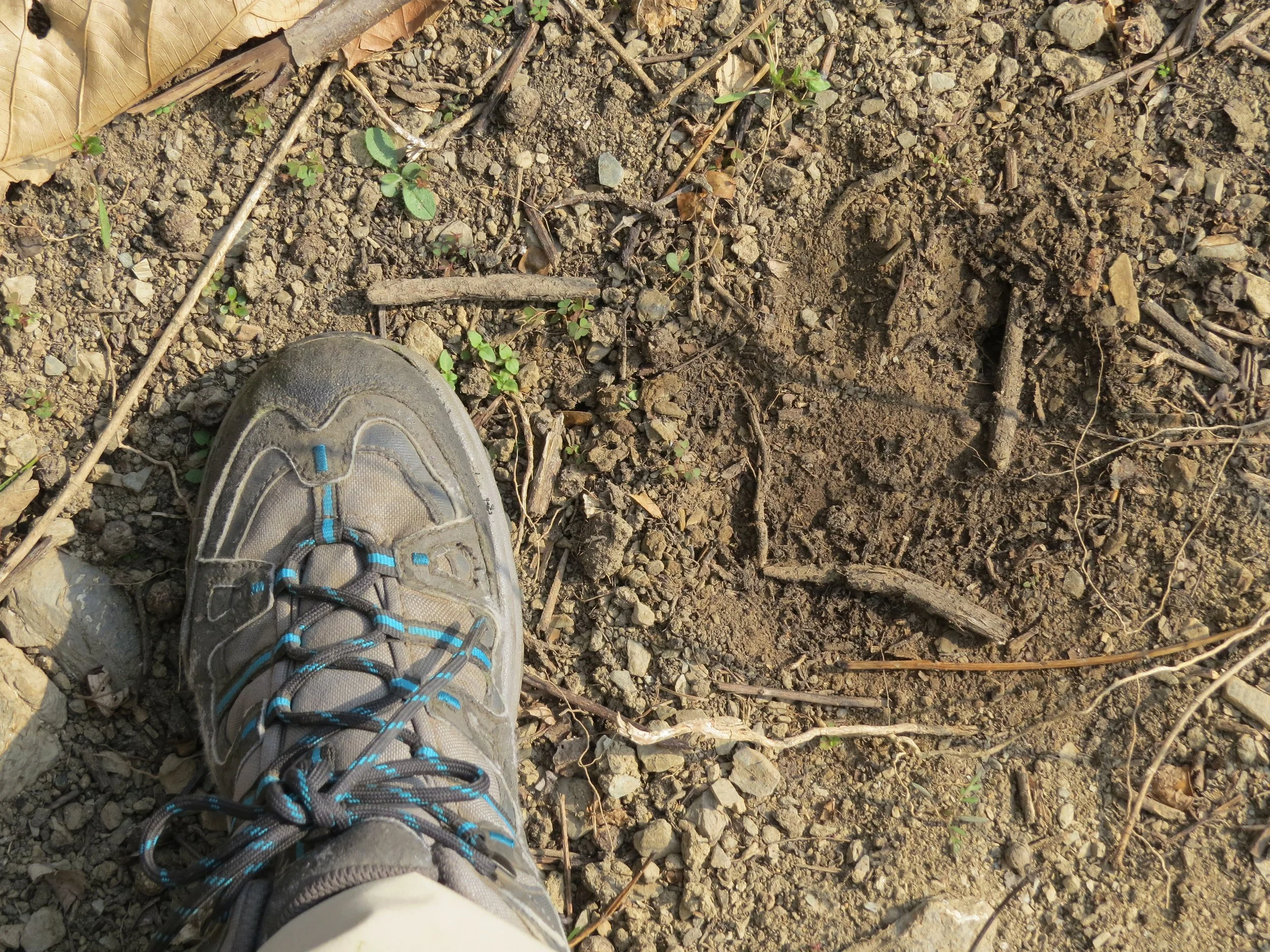
Leopard pugmark
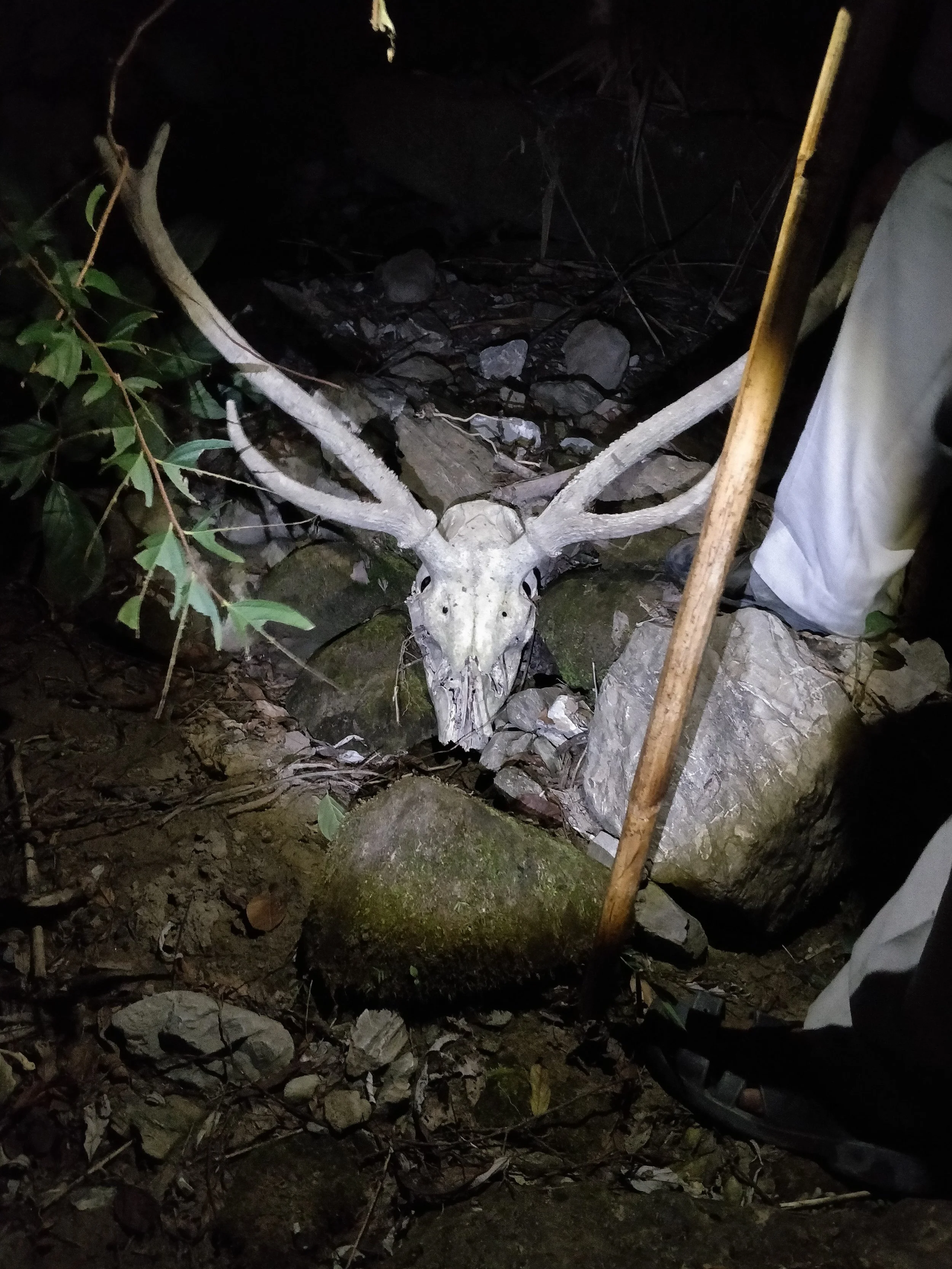
Sambar deer skull found in wild zone
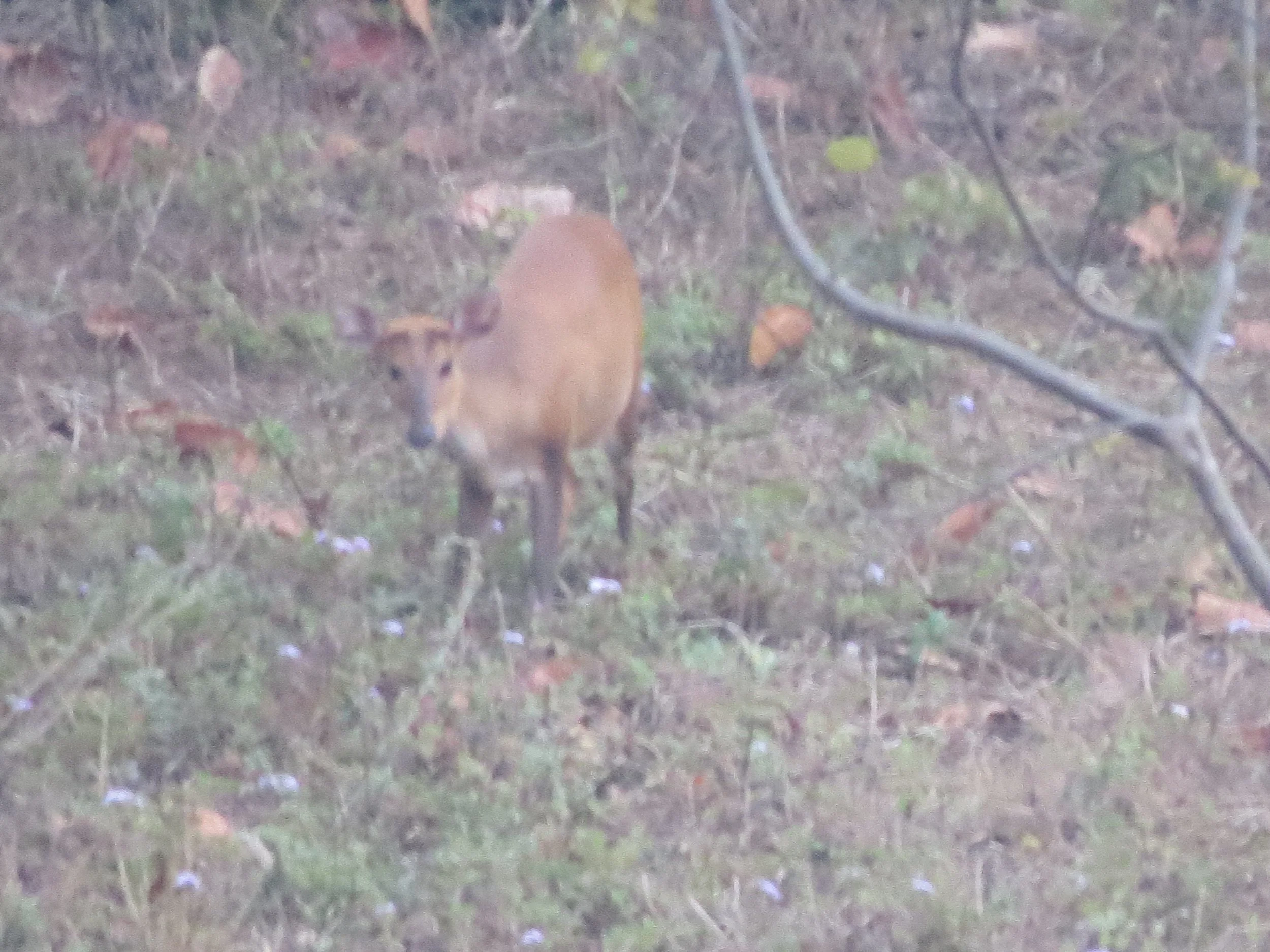
Barking deer
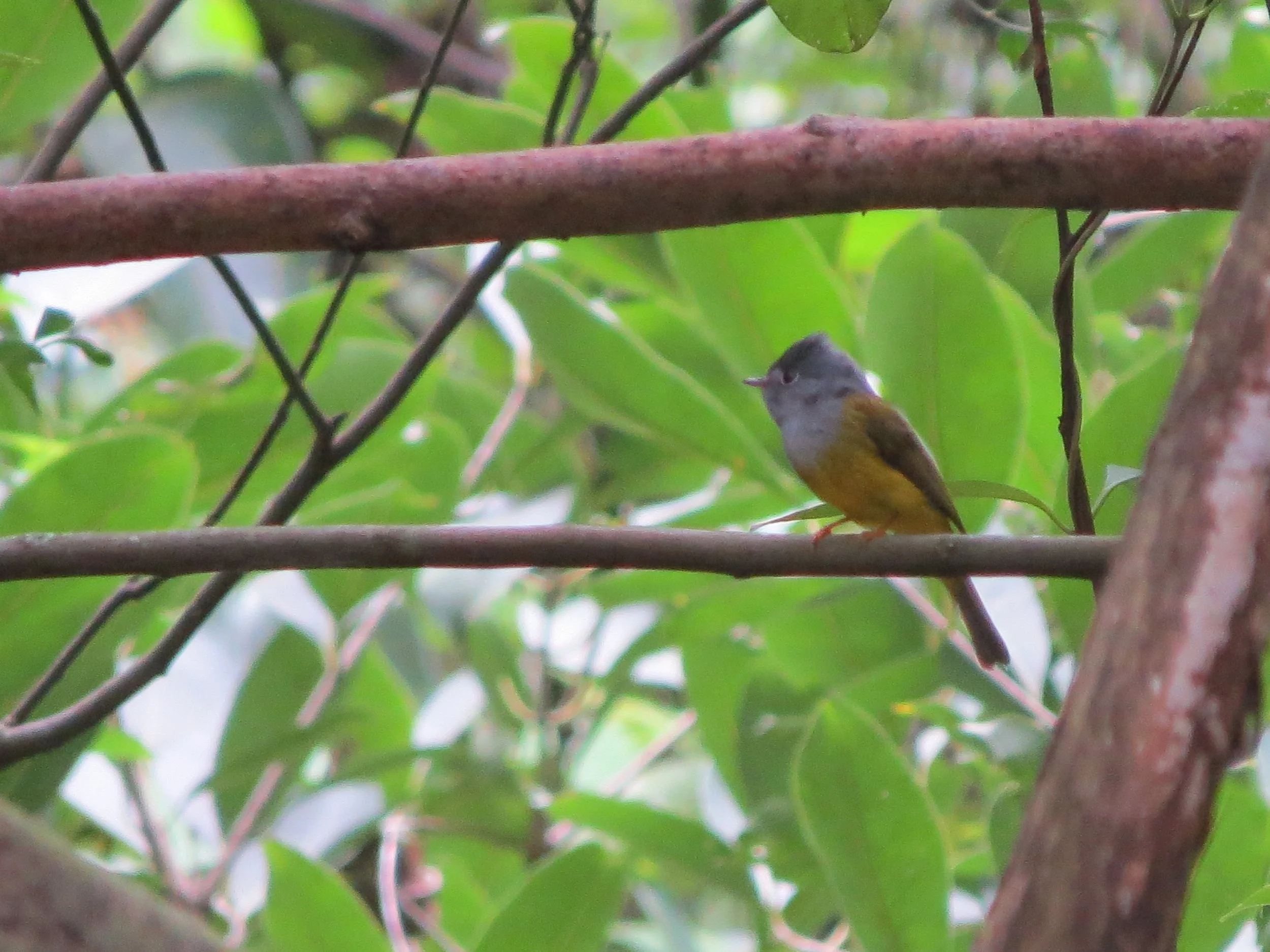
Canary flycatcher
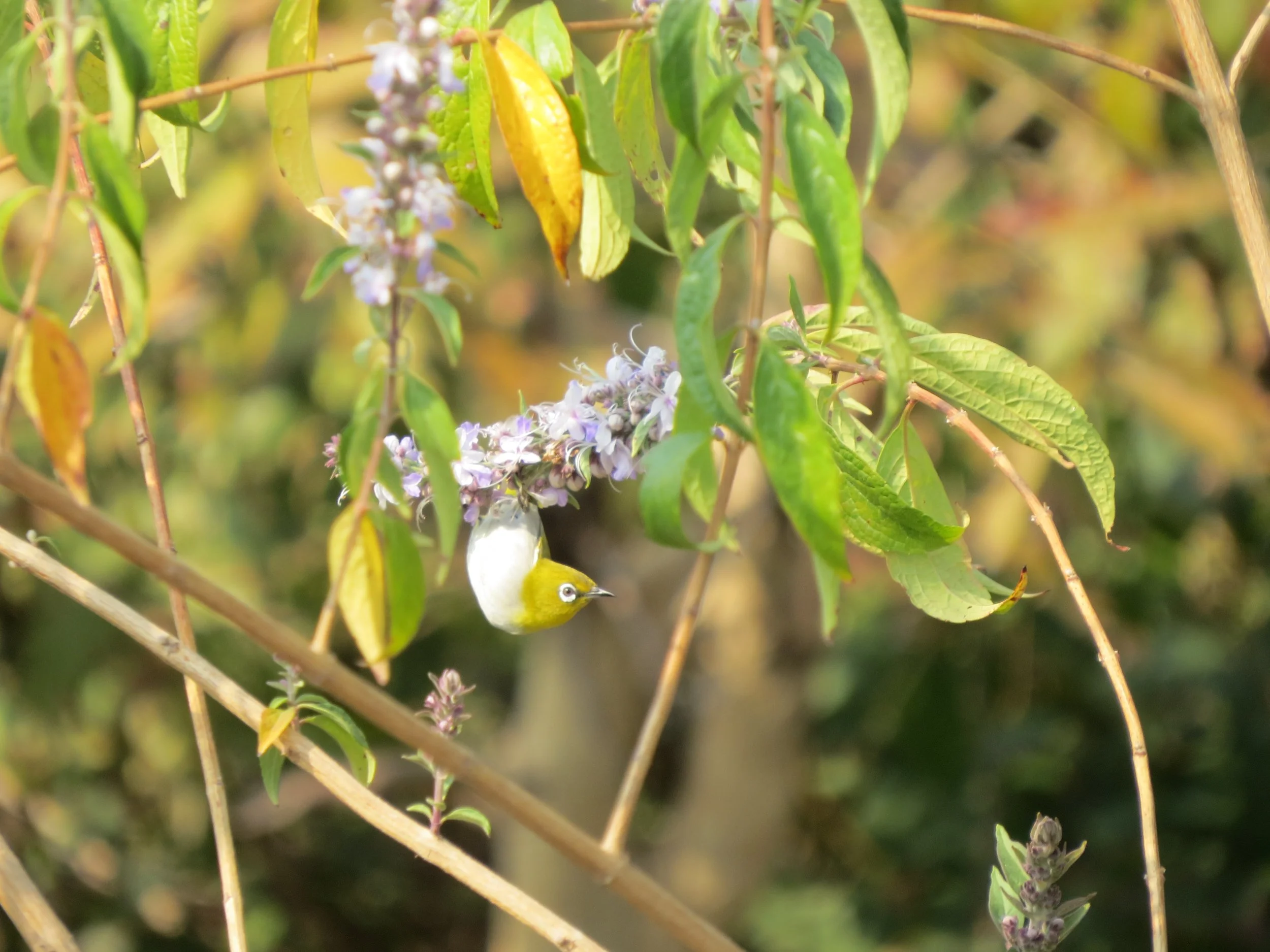
Indian white-eye
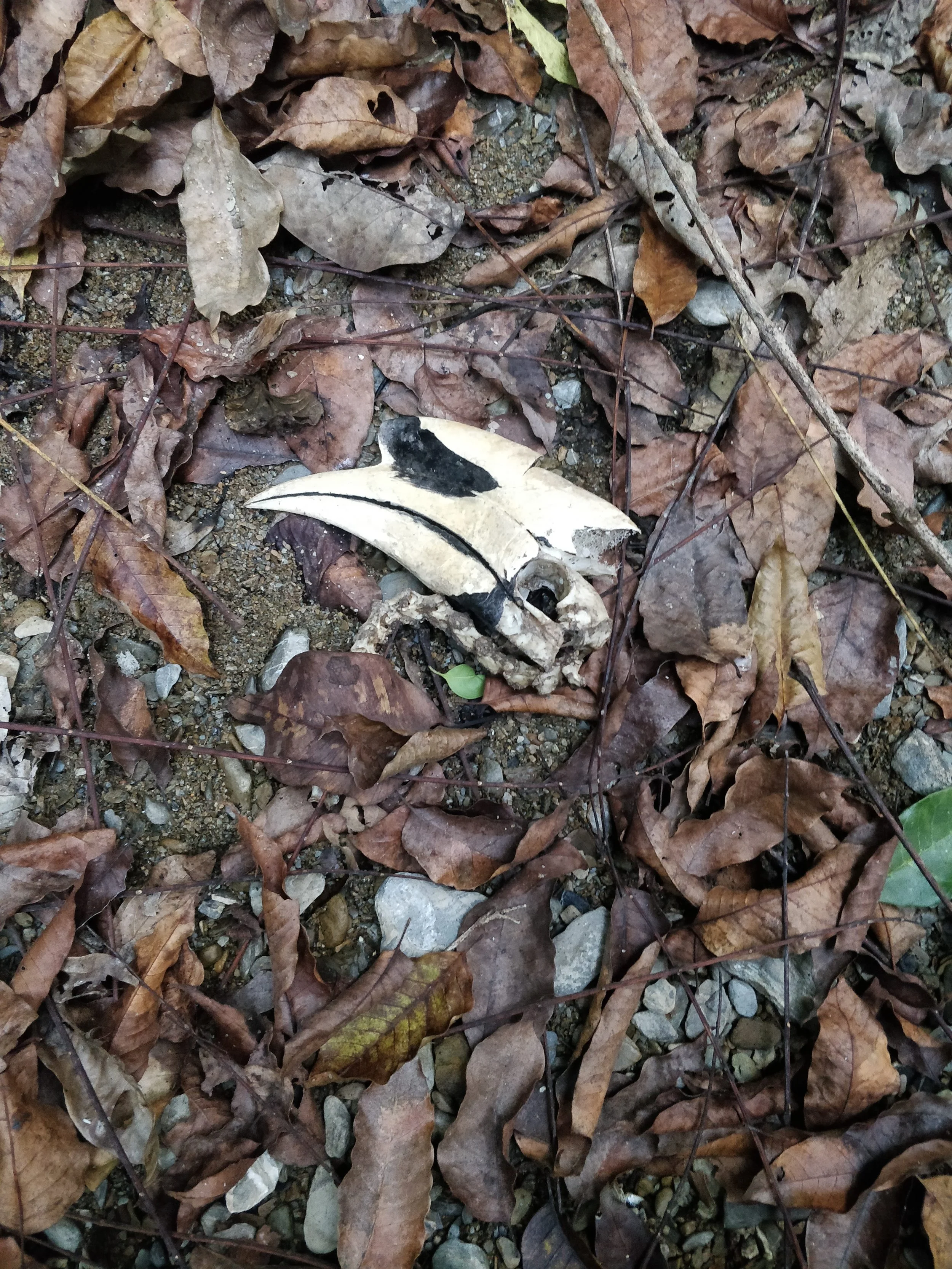
Great hornbill carcass (tiger kill)
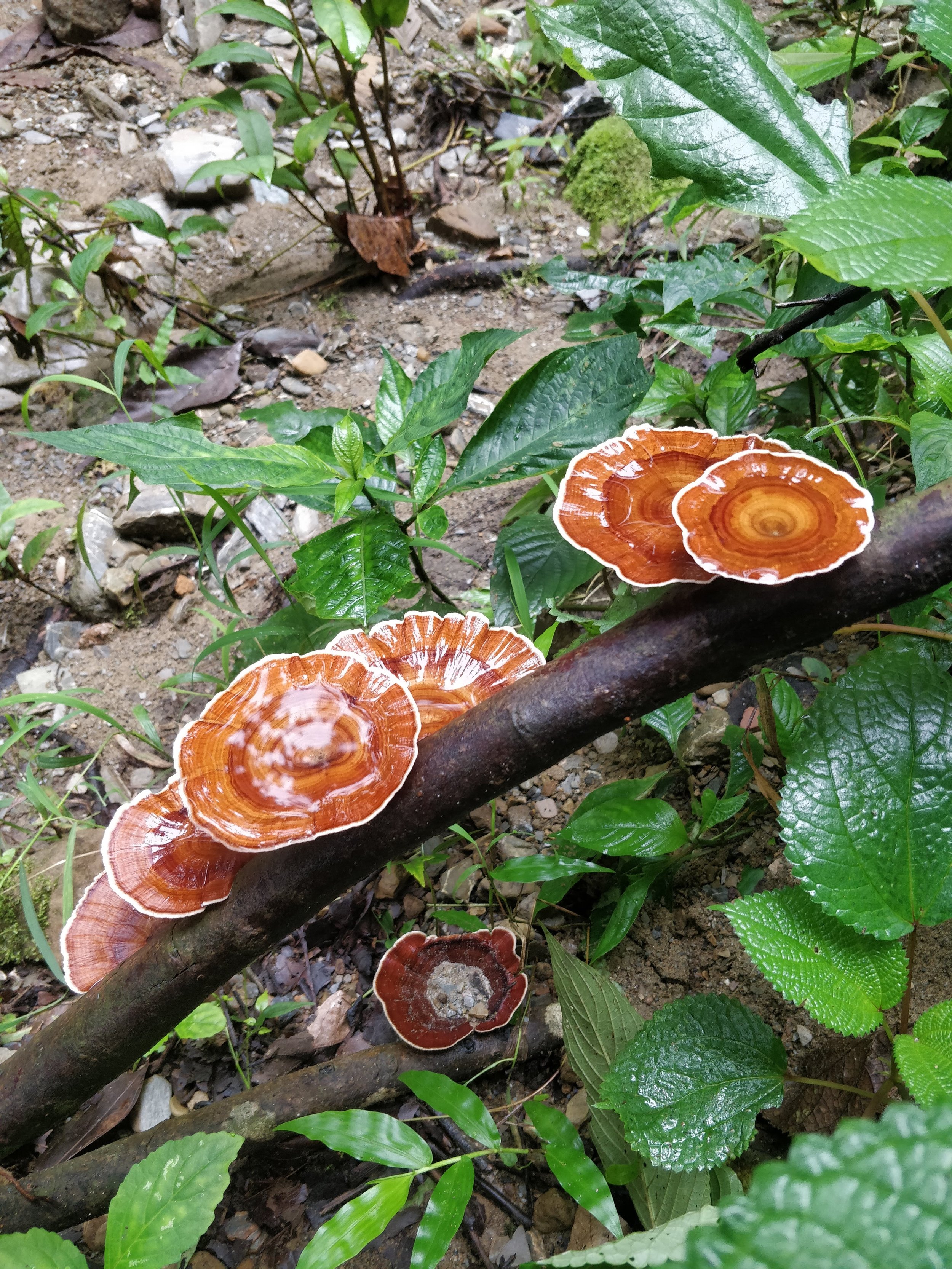
Riparian zone - fungi
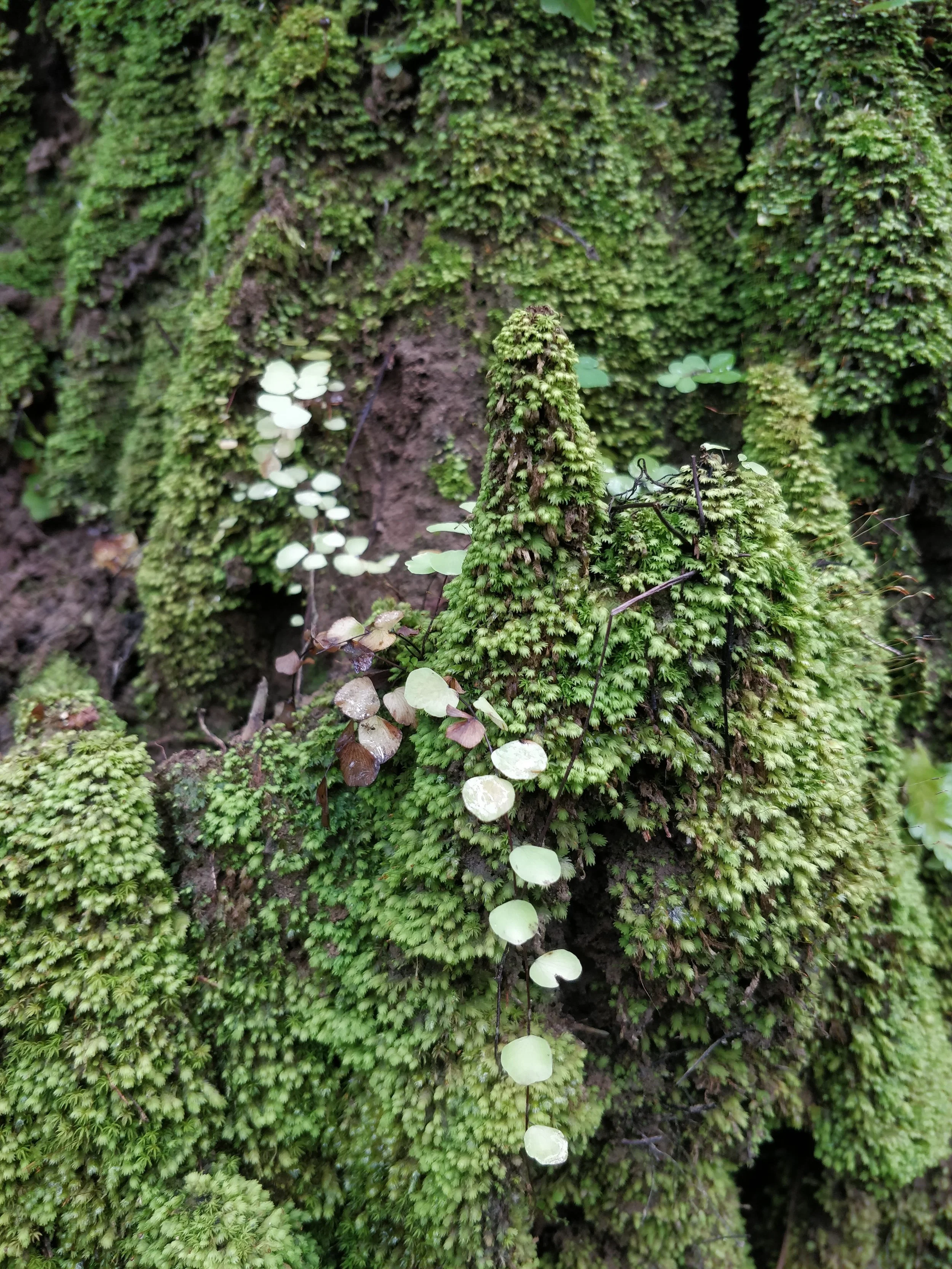
Sal forest - mosses and ferns
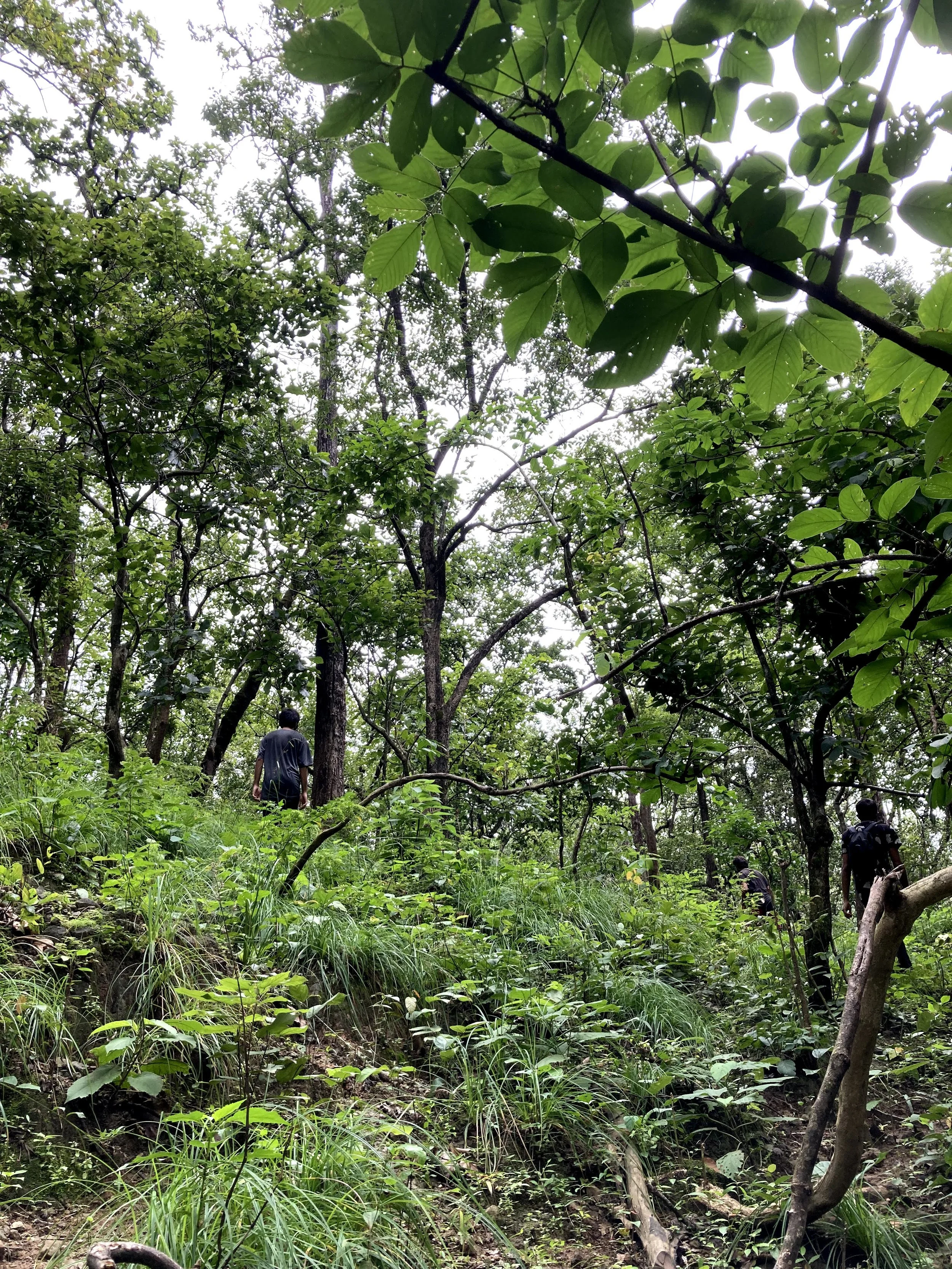
Moist deciduous patch with grasses
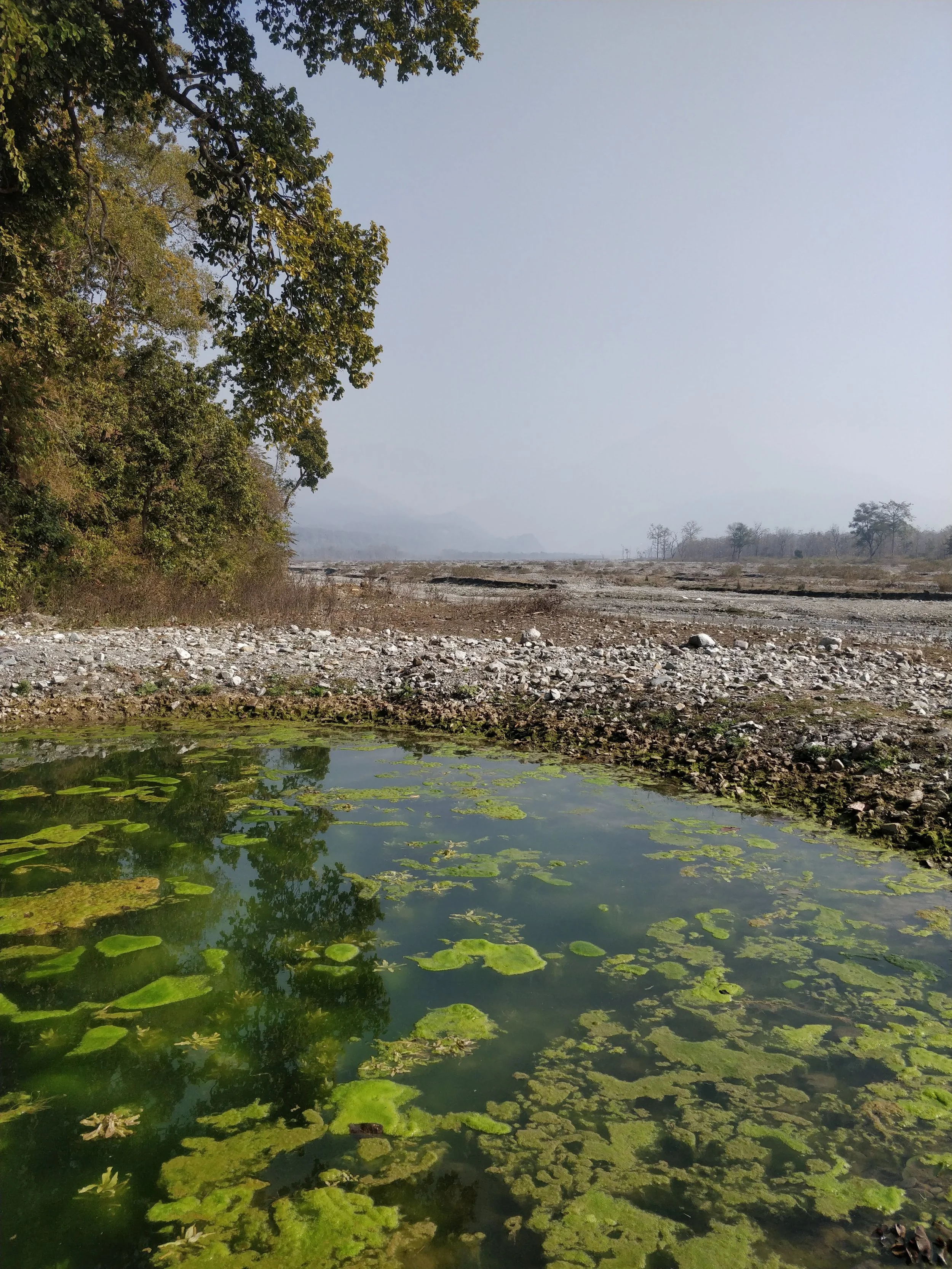
Natural pond downstream of site
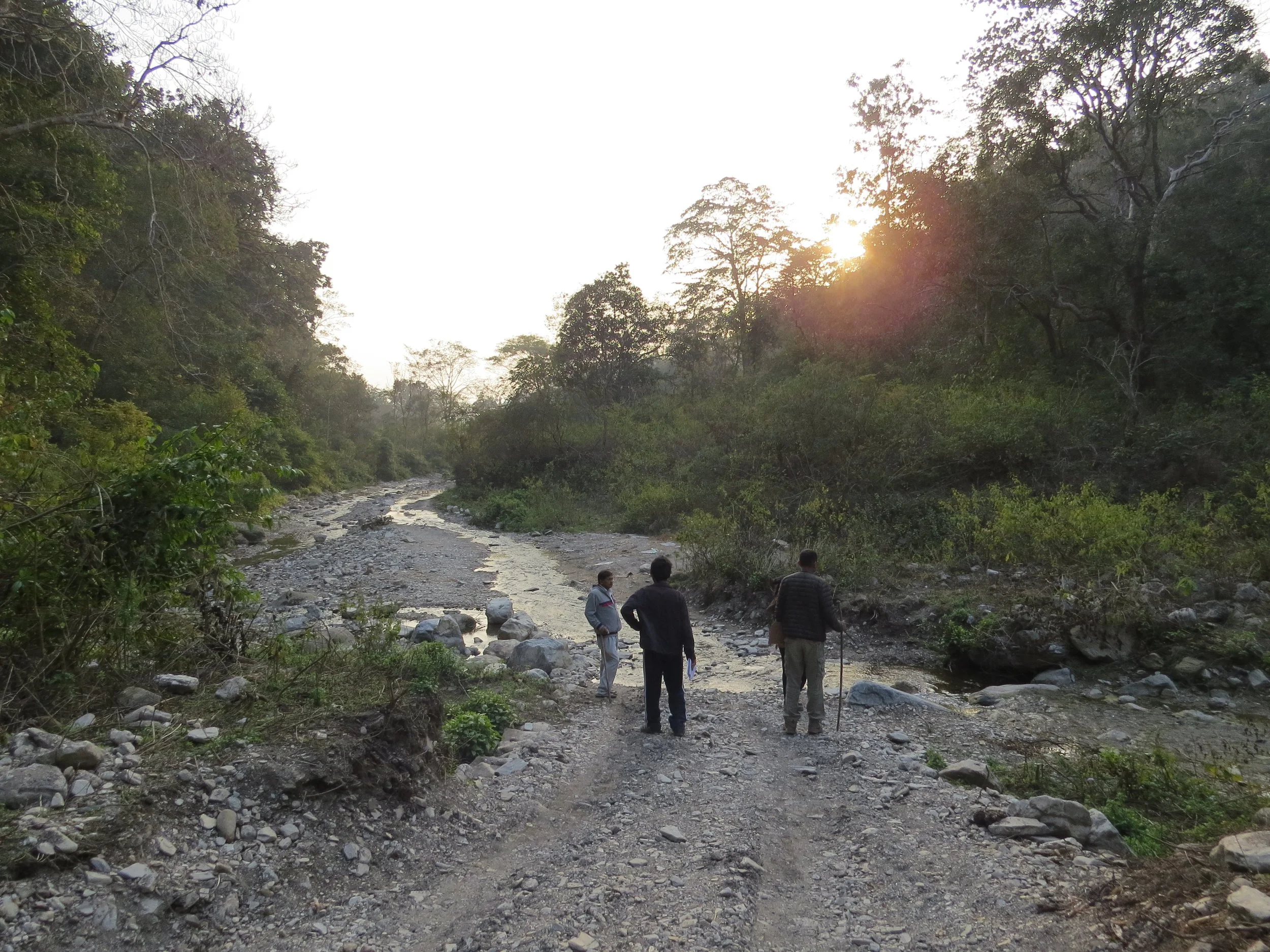
Stream downslope of site