Around my neighbourhood in 80 trees
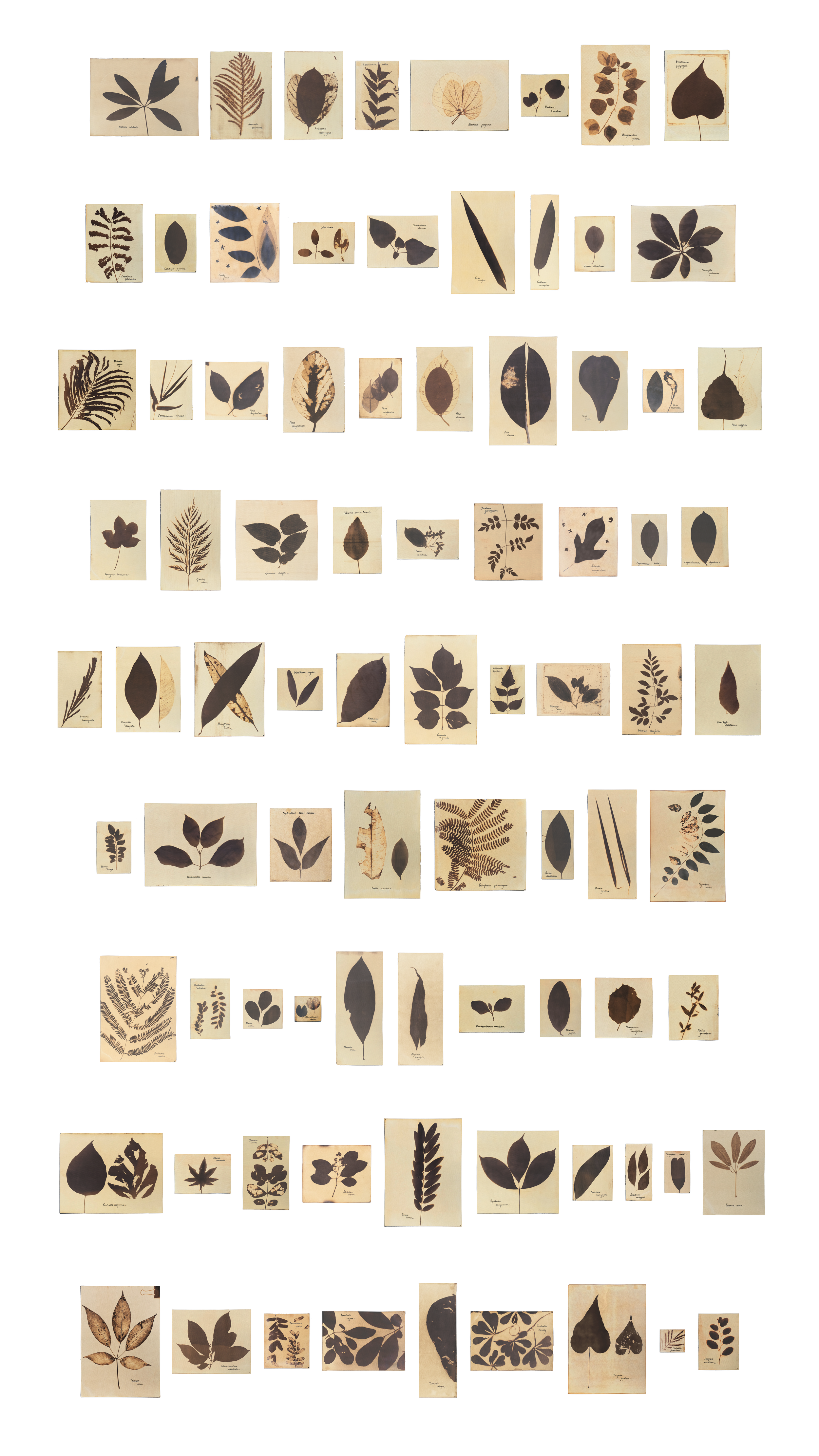
I discovered cyanotype in 2025 and immediately connected with this process that combined art and experimentation. My first instinct was to use cyanotype to combine my love for art and botany. This led to my first project, “Around my Neighbourhood in 80 Trees”, a cyanotype herbarium of the woody species around my home. I started this as a way to explore my own neighbourhood more and learn about the plants in my immediate surroundings, since I had spent so much time studying species on distant sites but barely knew the ones near me. The project became an unexpected teacher. I learnt the ins and outs of cyanotype mixing, ratios, coating methods, which papers work best, types of brushes to use, exposure times, coating techniques, and rinsing. I also learnt how to skeletonise leaves and keep meticulous documentation of collected specimens, noting which ones worked, how long they took, and how to catalogue and store the pressed leaves. This body of work is a love letter to Bangalore and to my neighbourhood, Kammanahalli. Each print carries hours of experimentation, collecting, brushing away leaf pulp, and waiting for the perfect sunny day.
Process photos and behind the scenes shots at the bottom of the page.
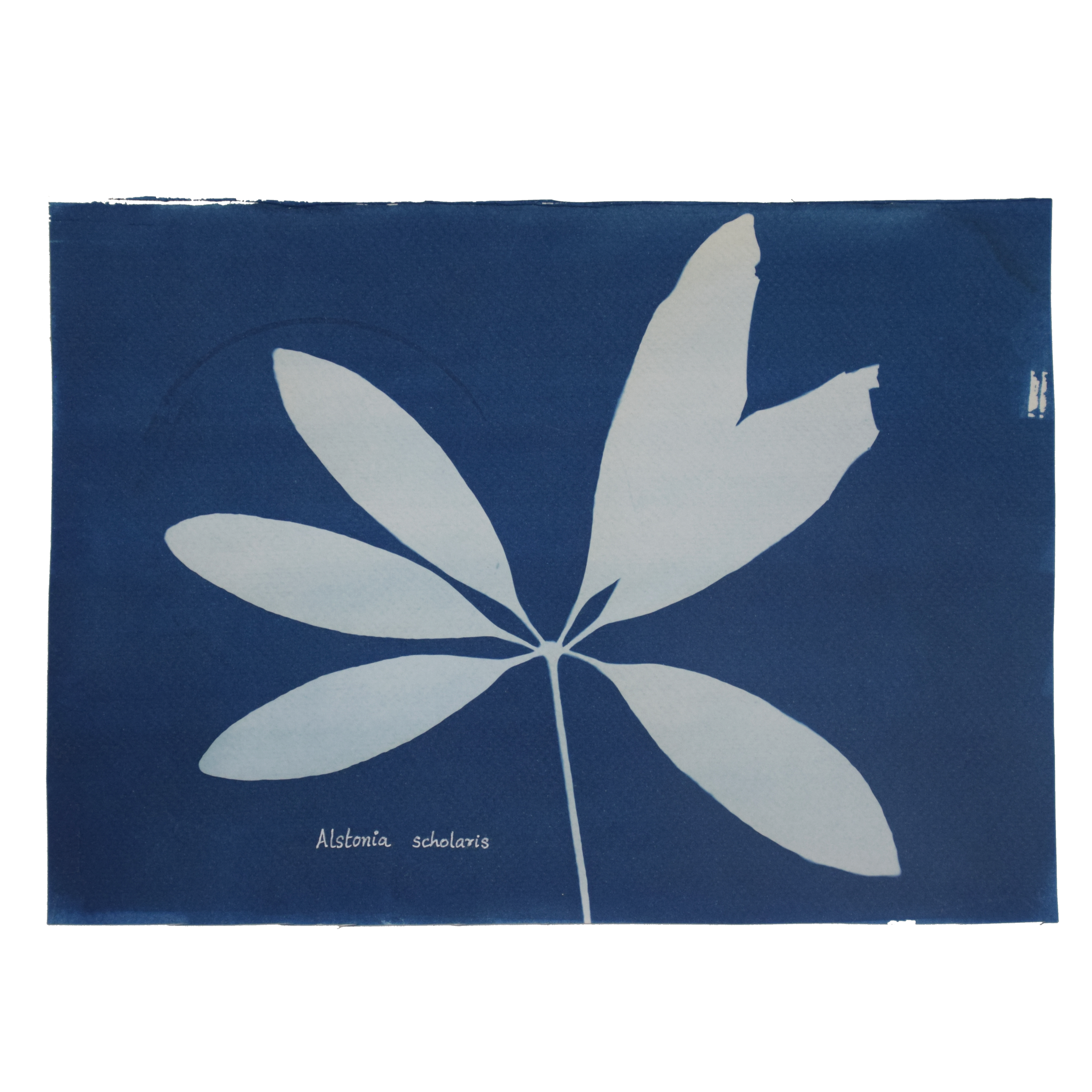
Alstonia scholaris (Blackboard tree) // Leaves simple, whorled, oblong-lanceolate
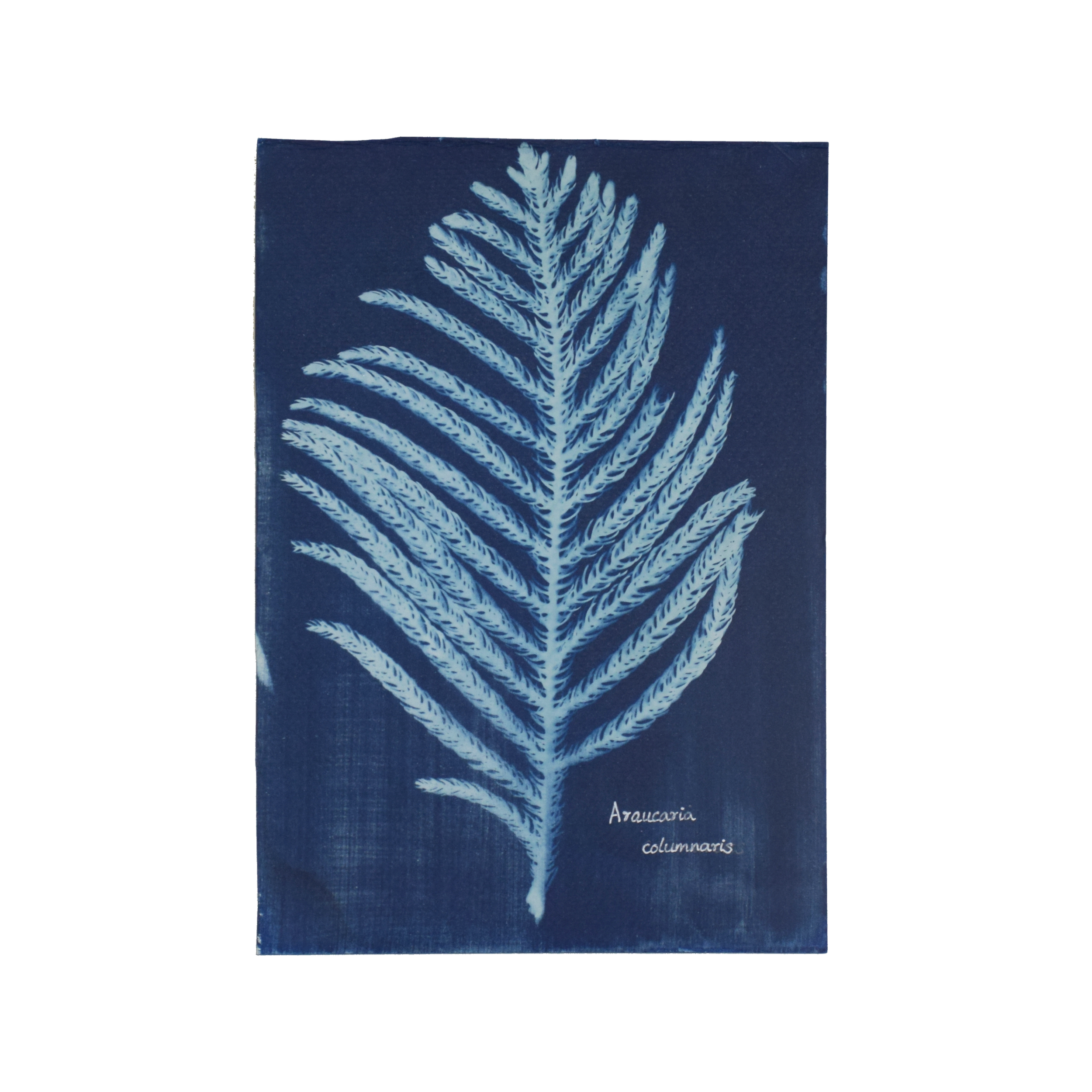
Araucaria columnaris (Christmas tree) // Leaves point-tipped, spirally arranged, needle-like
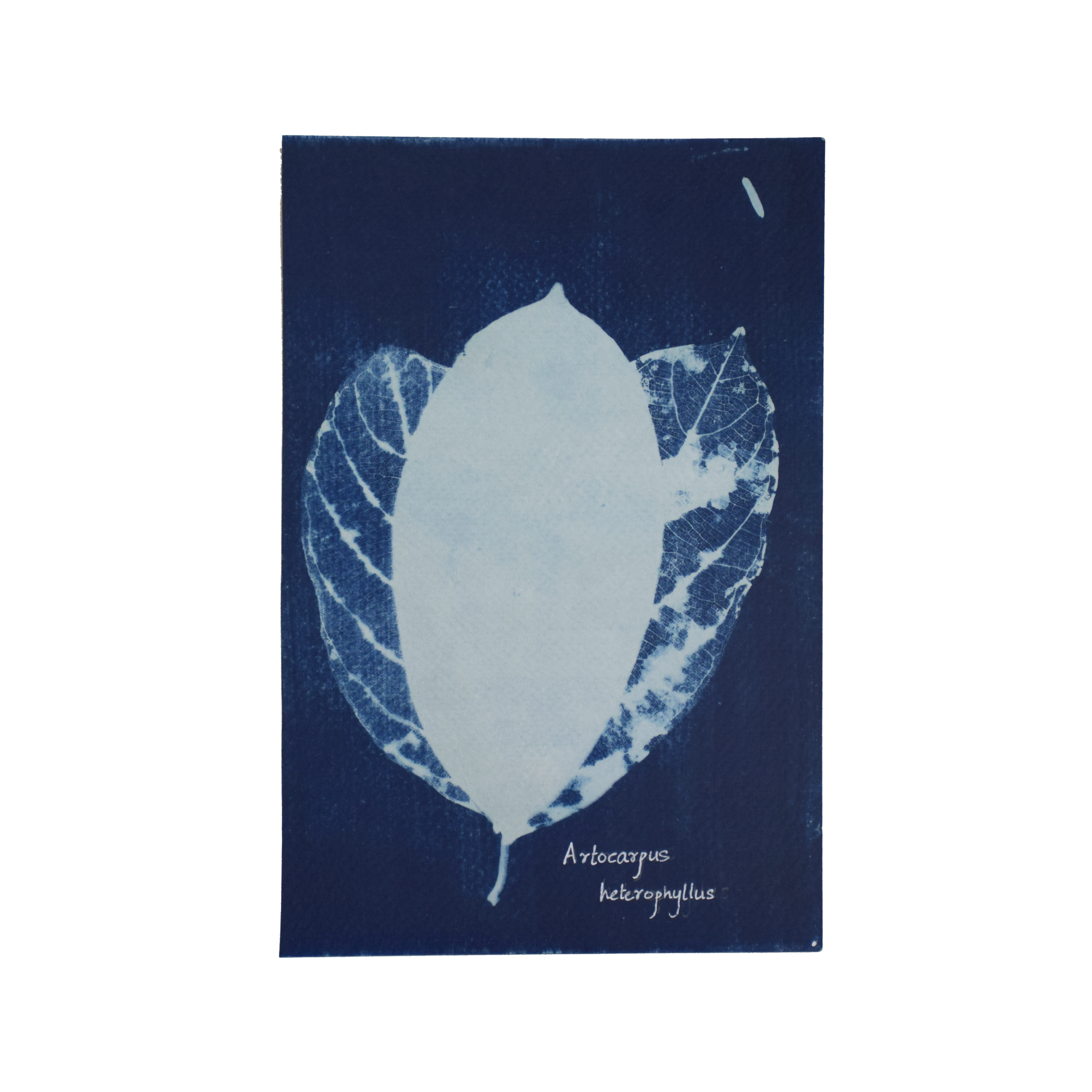
Artocarpus heterophyllus (Jackfruit) // Leaves simple, alternate, obovate-elliptic to elliptic
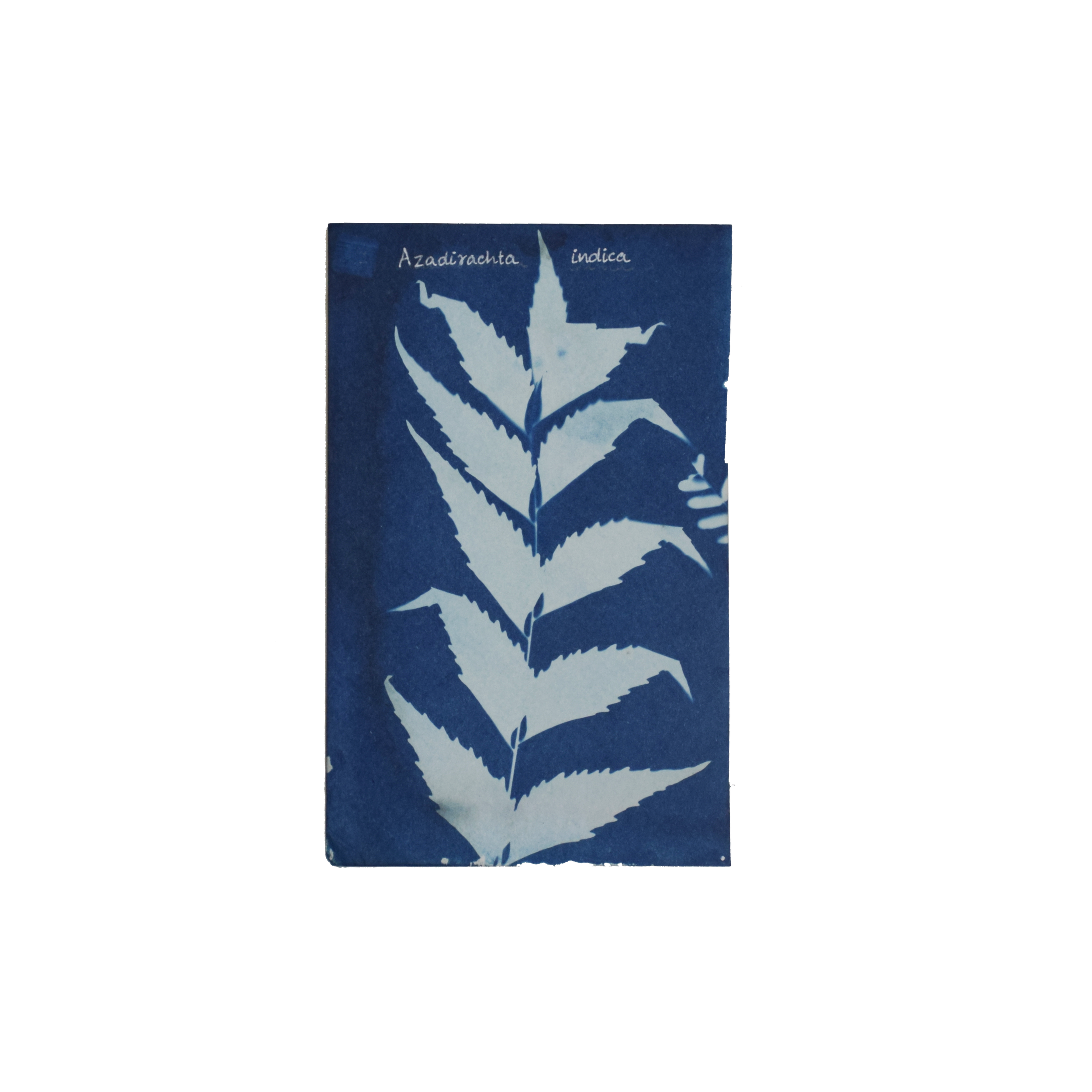
Azadirachta indica (Neem) // Leaves compound, imparipinnate
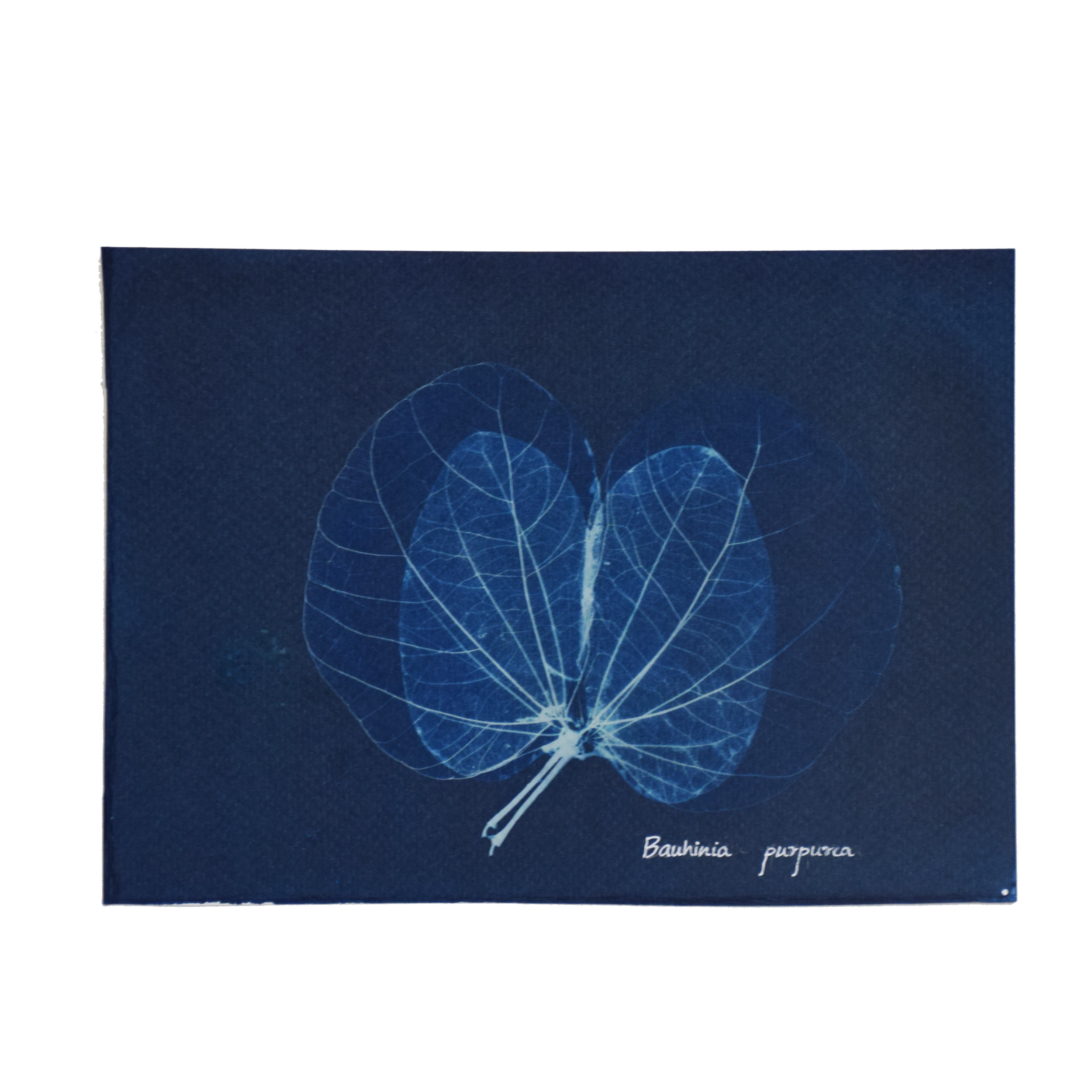
Bauhinia purpurea (Orchid tree) // Leaves simple, alternate, lobed
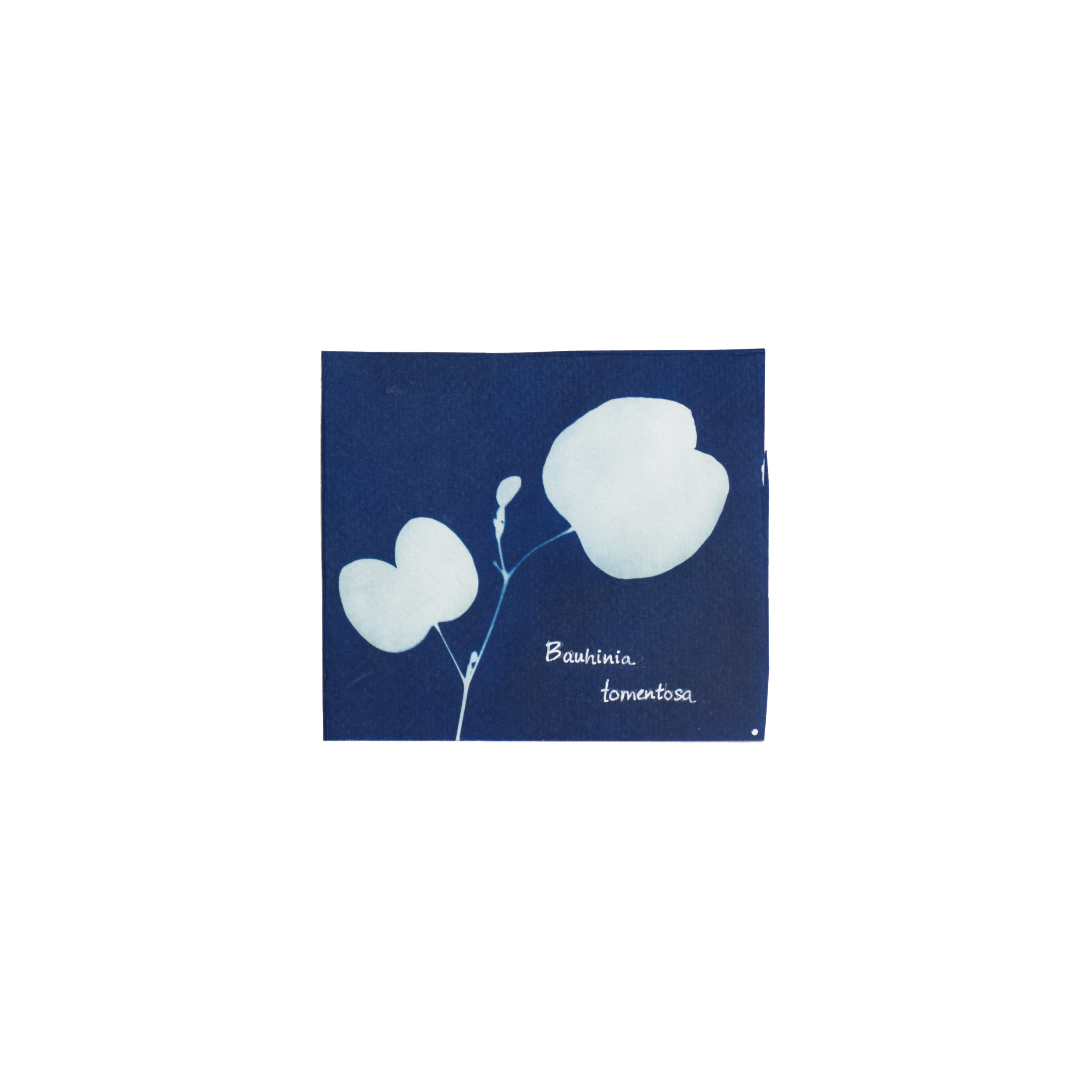
Bauhinia tomentosa (Yellow bell orchid) // Leaves simple, alternate, bilobed, hairy
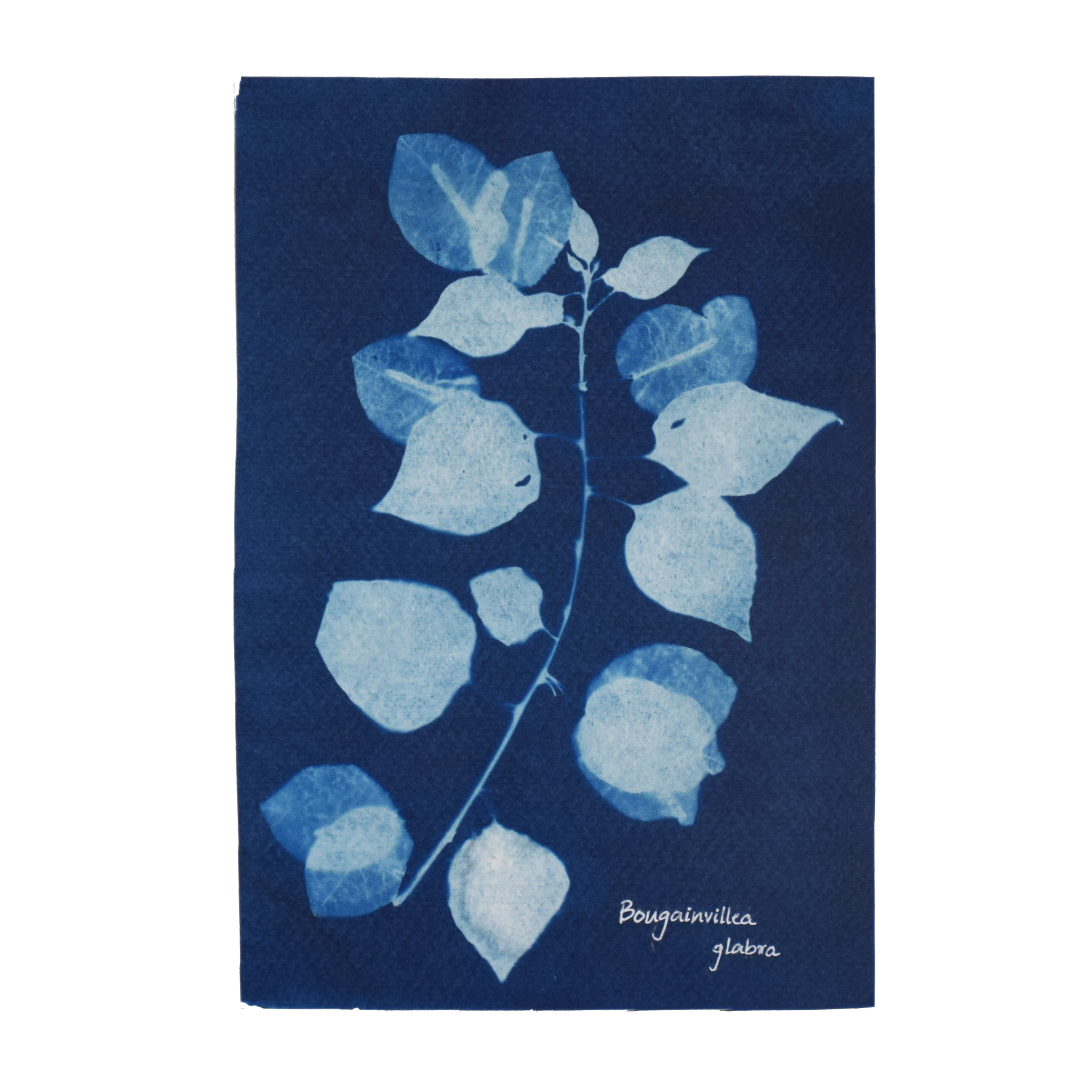
Bougainvillea glabra (Boungainvillea) // Leaves simple, alternate, ovate, elliptic or lanceolate
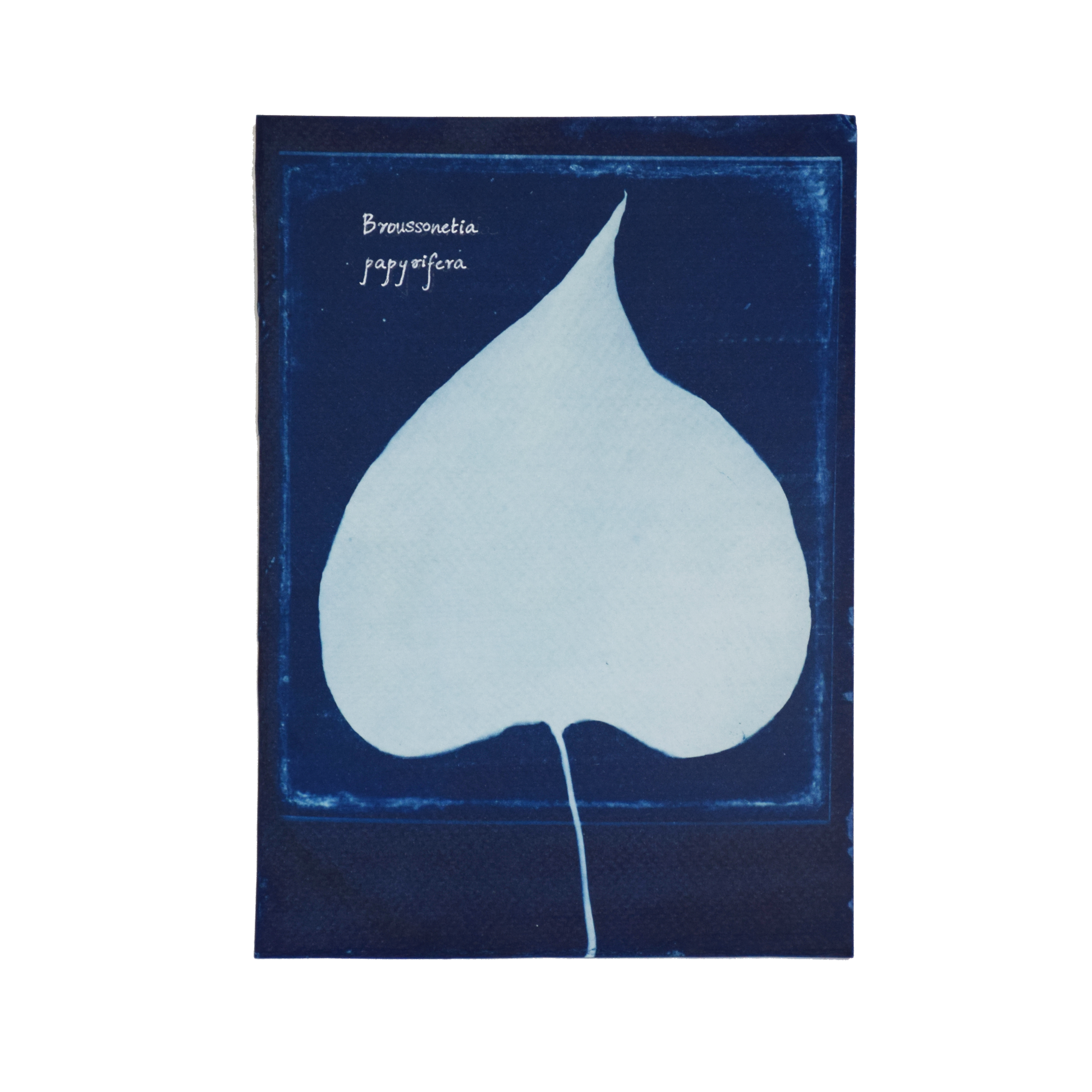
Broussonetia papyrifera (Paper mulberry) // Leaves simple, alternate, opposite or whorled, ovate heart-shaped to deeply lobed
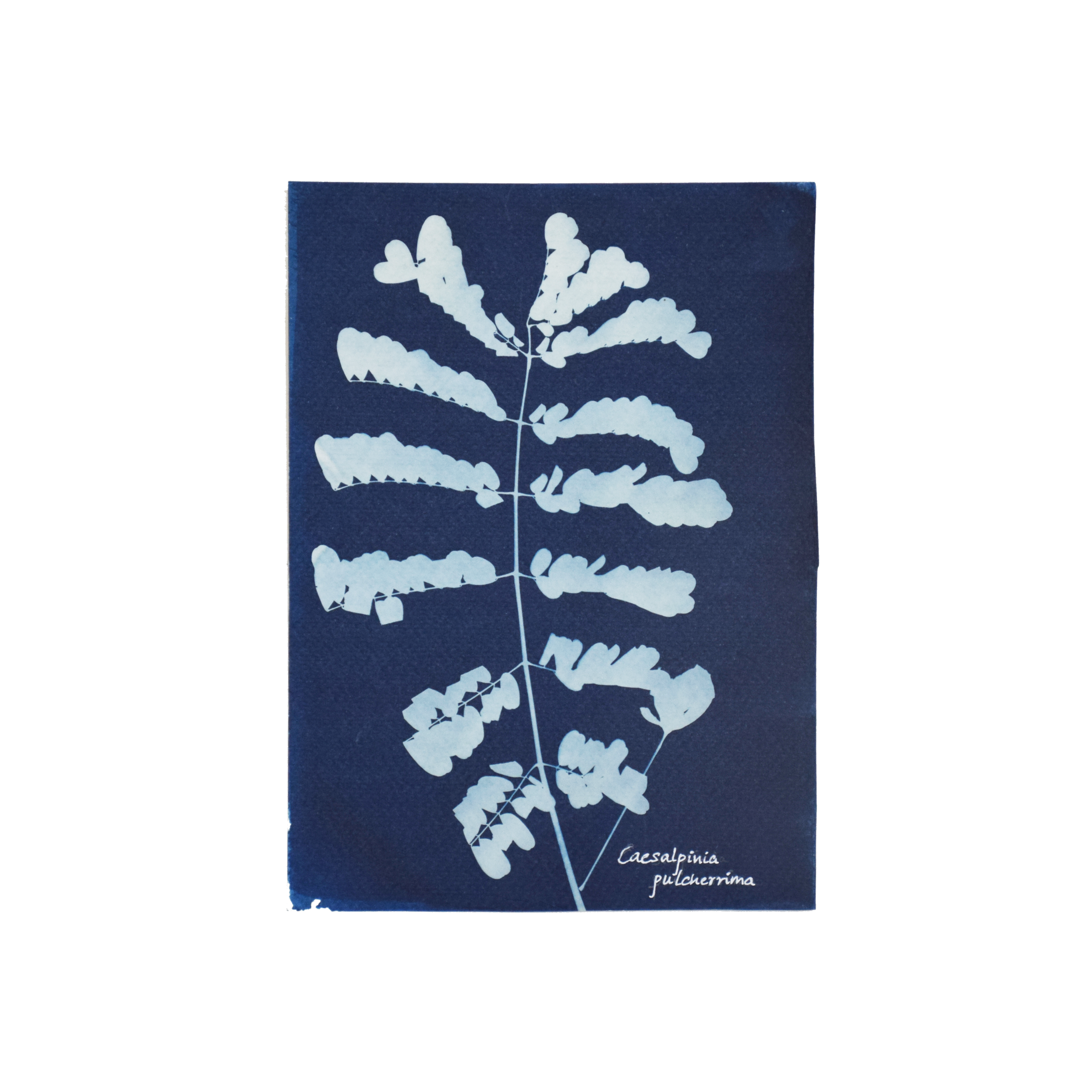
Caesalpinia pulcherrima (Peacock flower) // Leaves compound, bipinnate, alternate
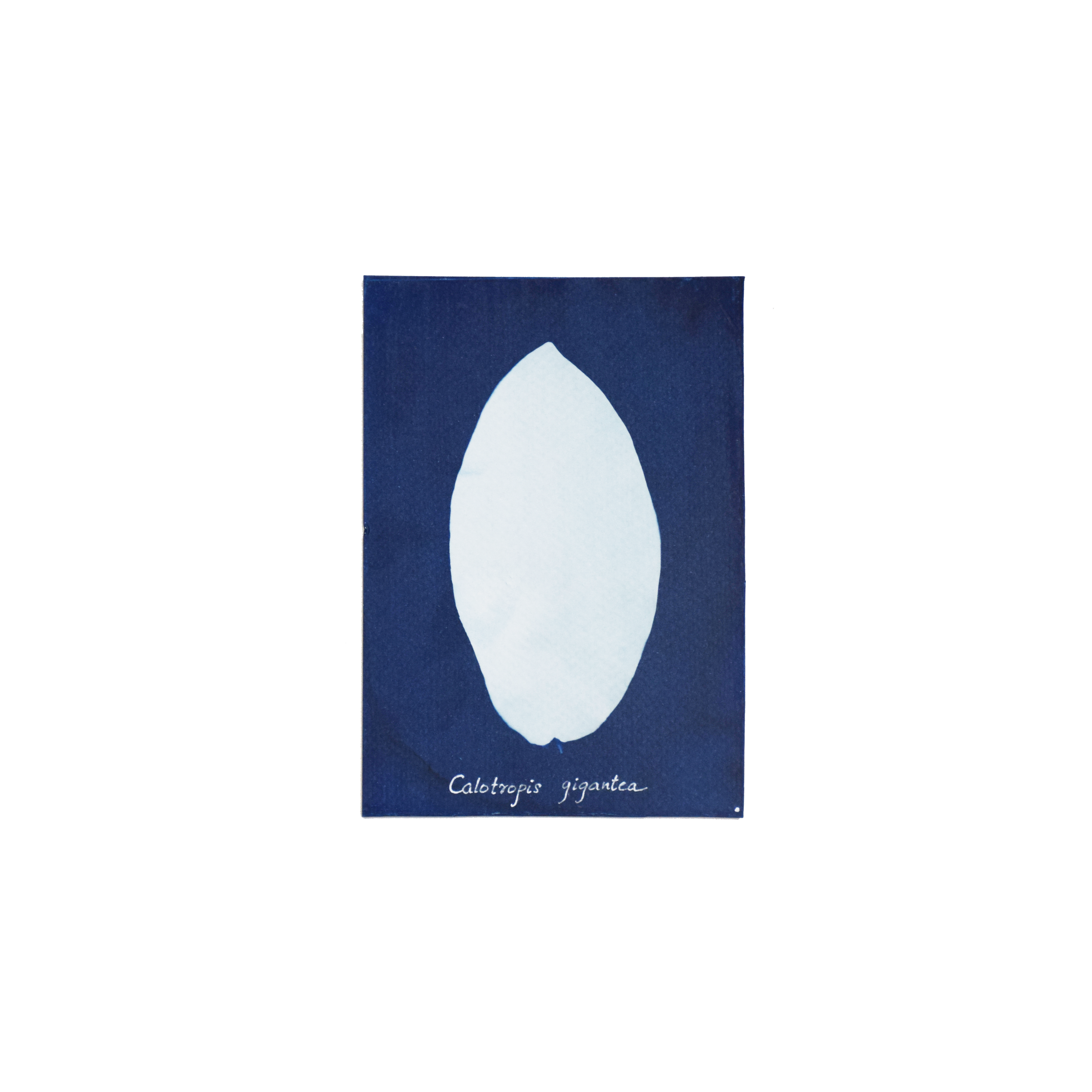
Calotropis gigantea (Milkweed) // Leaves simple, opposite, decussate, elliptic or oblong with cordate base
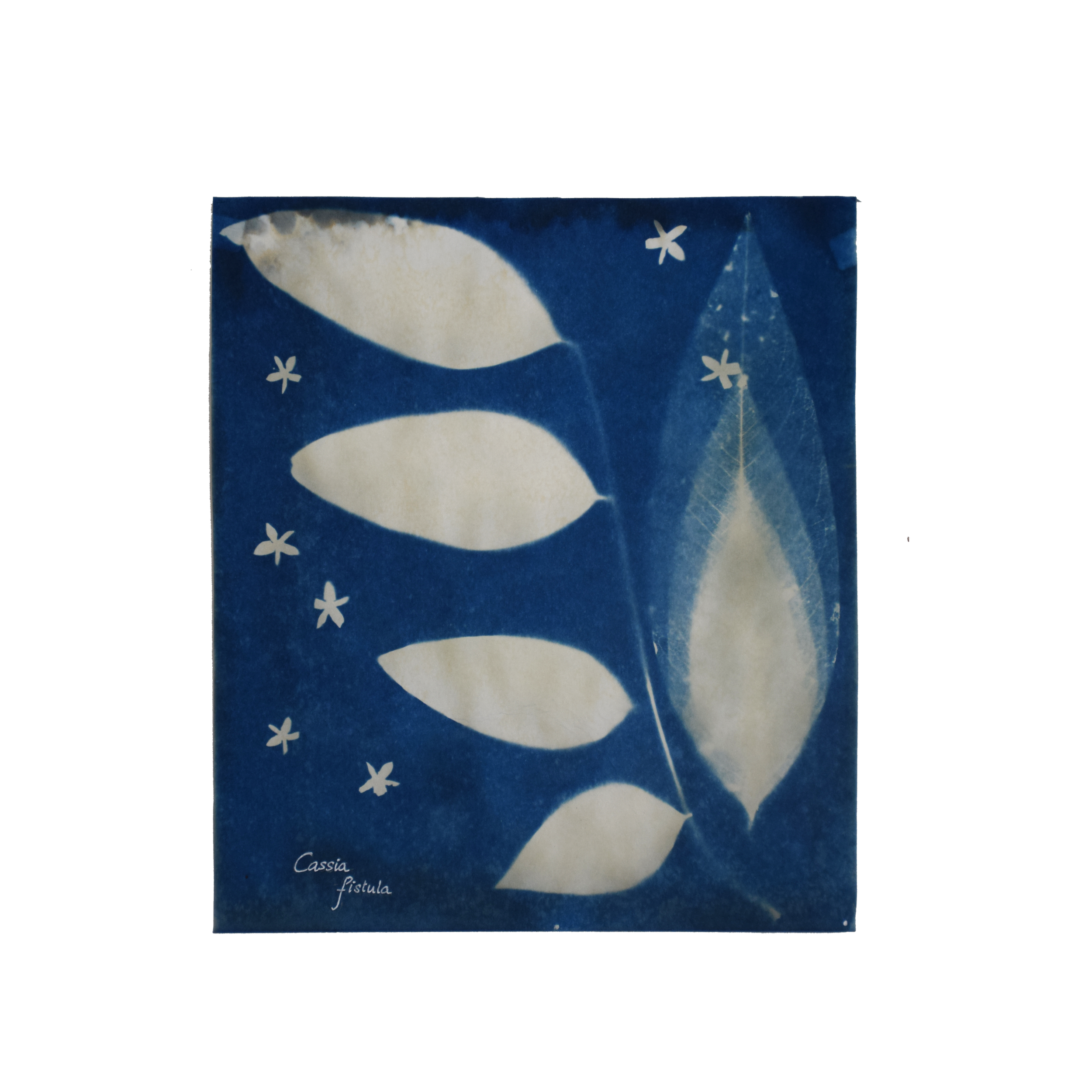
Cassia fistula (Golden shower tree) // Leaves pinnately compound, alternate, ovate-lanceolate
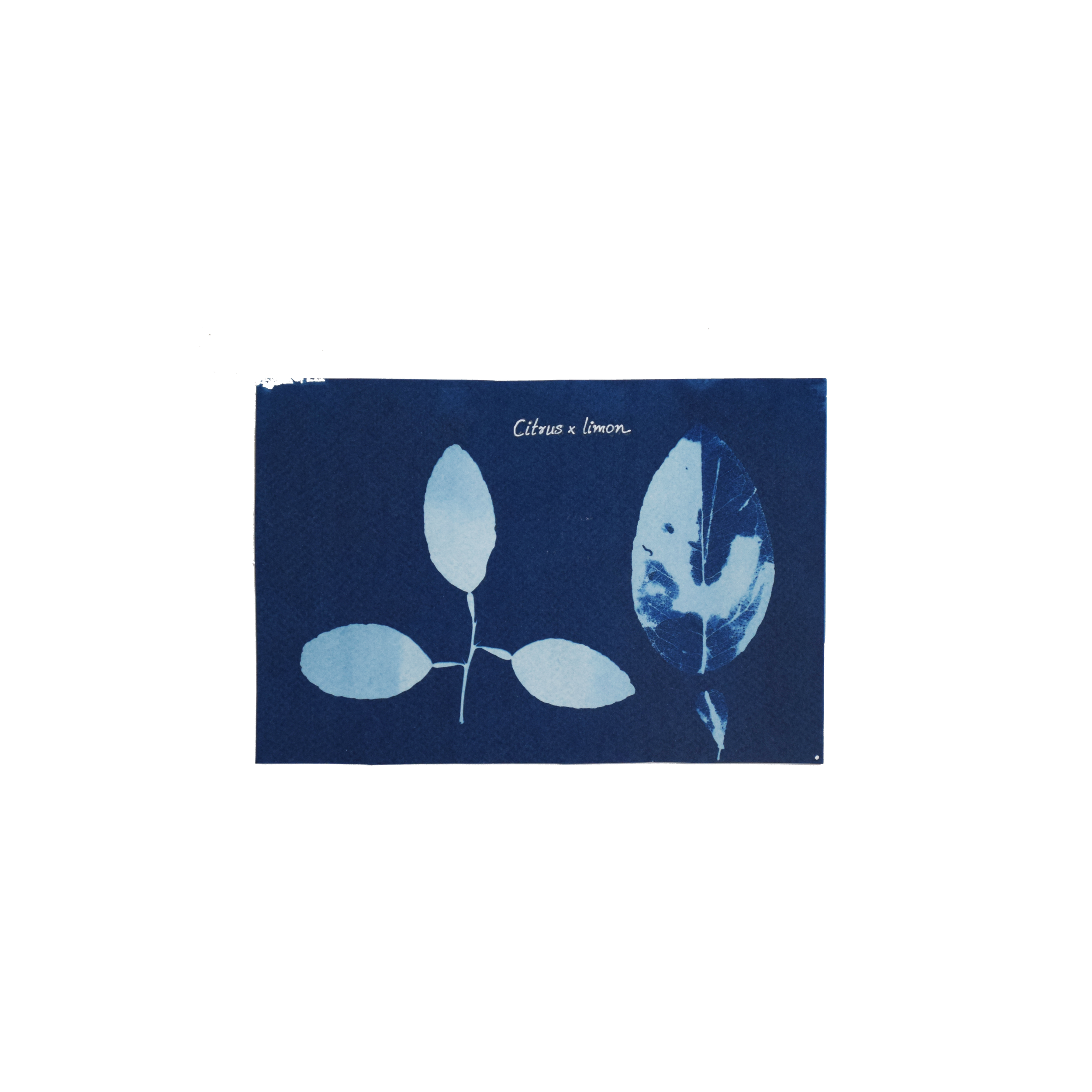
Citrus x limon (Lemon) // Leaves unifoliate with a winged petiole, compound, alternate, ovate to oblong, serrated
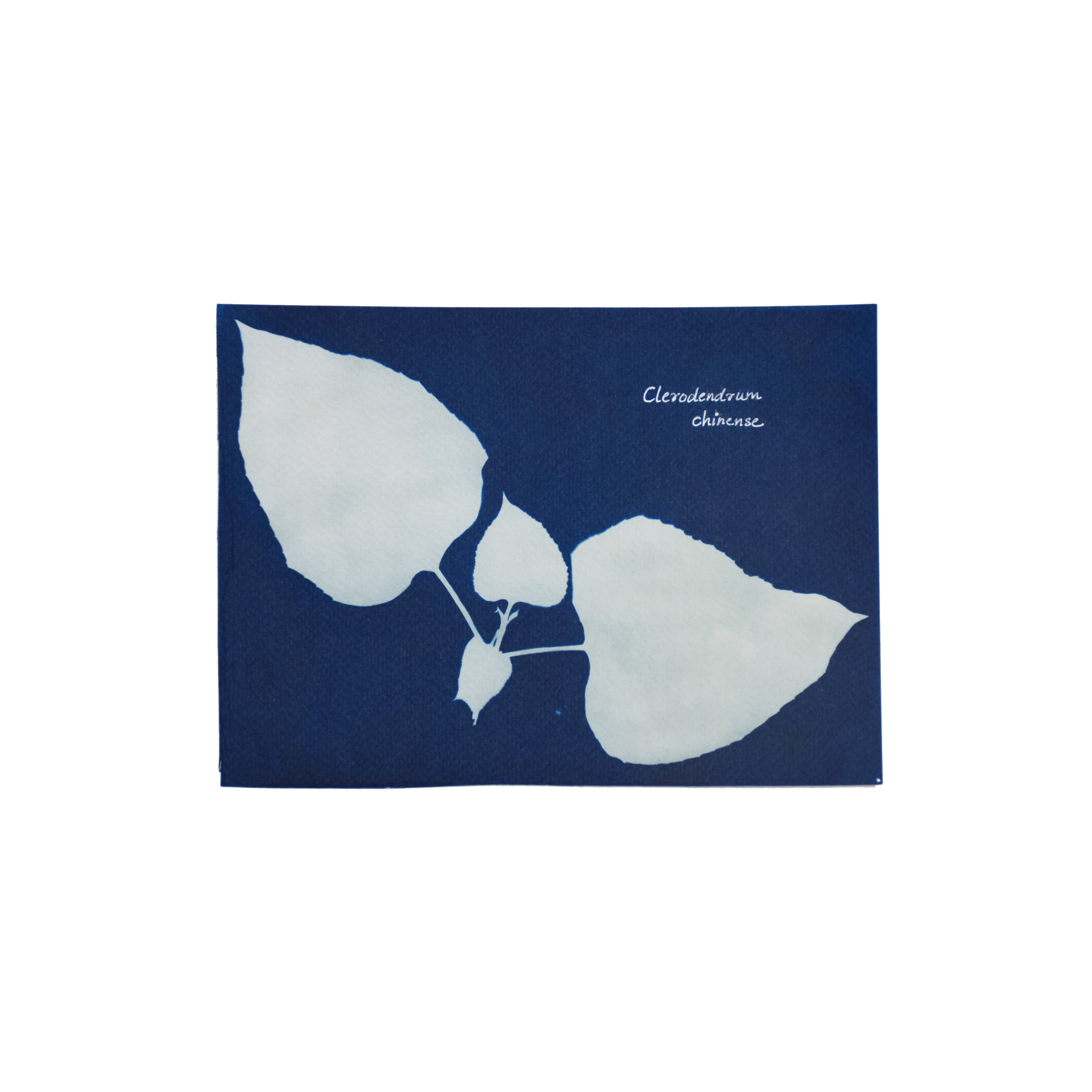
Clerodendrum chinense (Chinese glorybower) // Simple, opposite, dentate, ovate to triangular-ovate
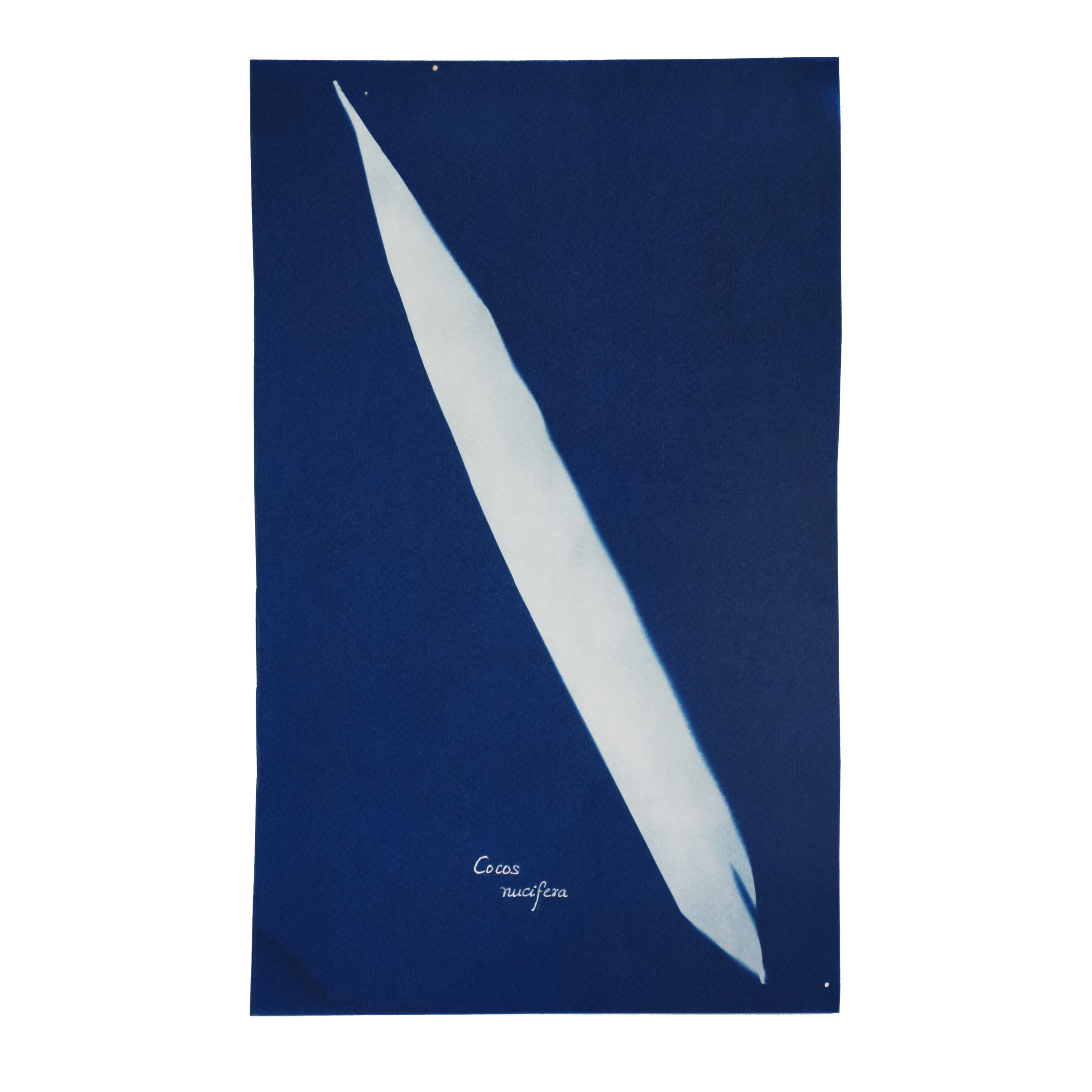
Cocos nucifera (Coconut) // Leaves compound, pinnate, linear, spirally arranged
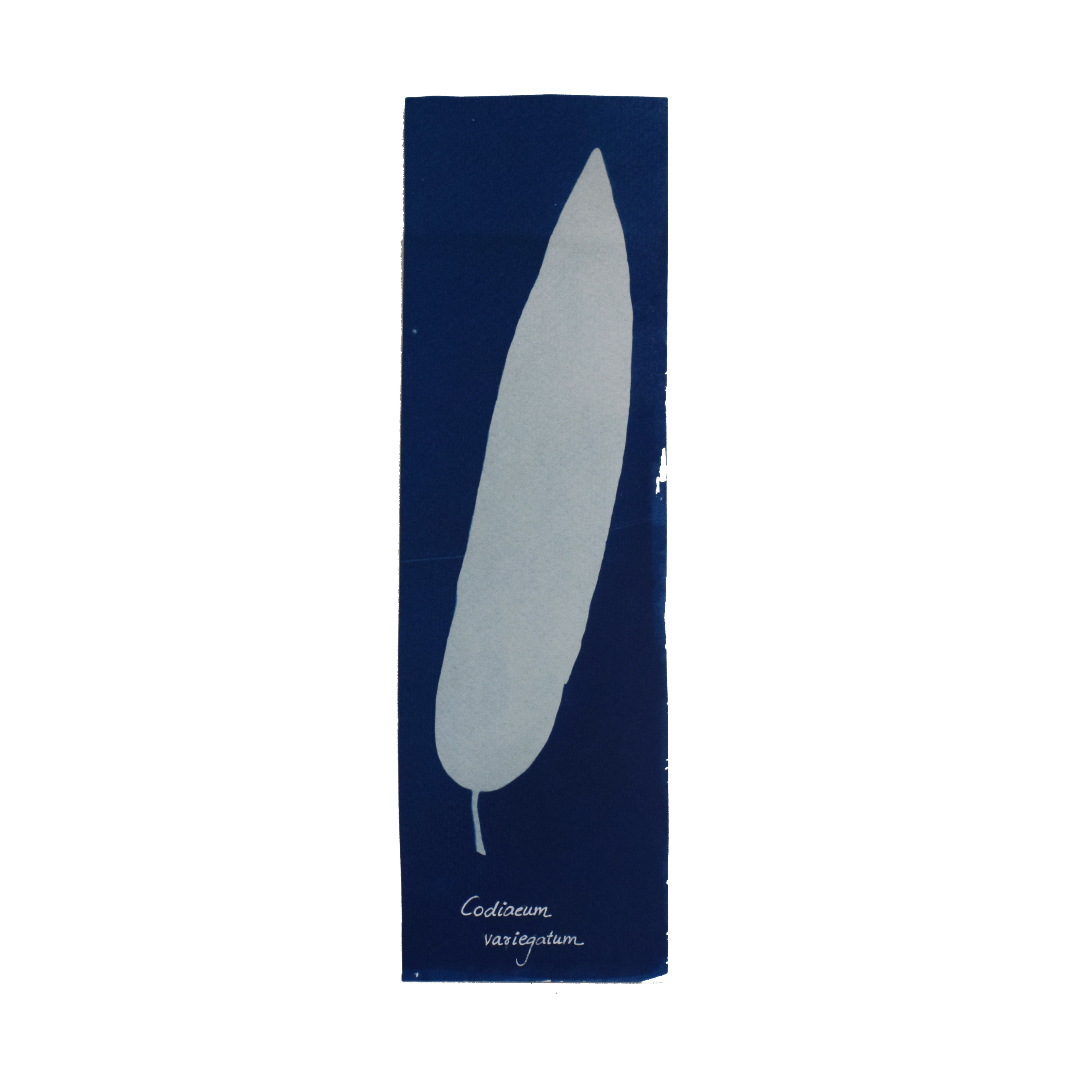
Codiaeum variegatum (Garden croton) // Leaves simple, alternate or spiral, lanceolate (or many other shapes)
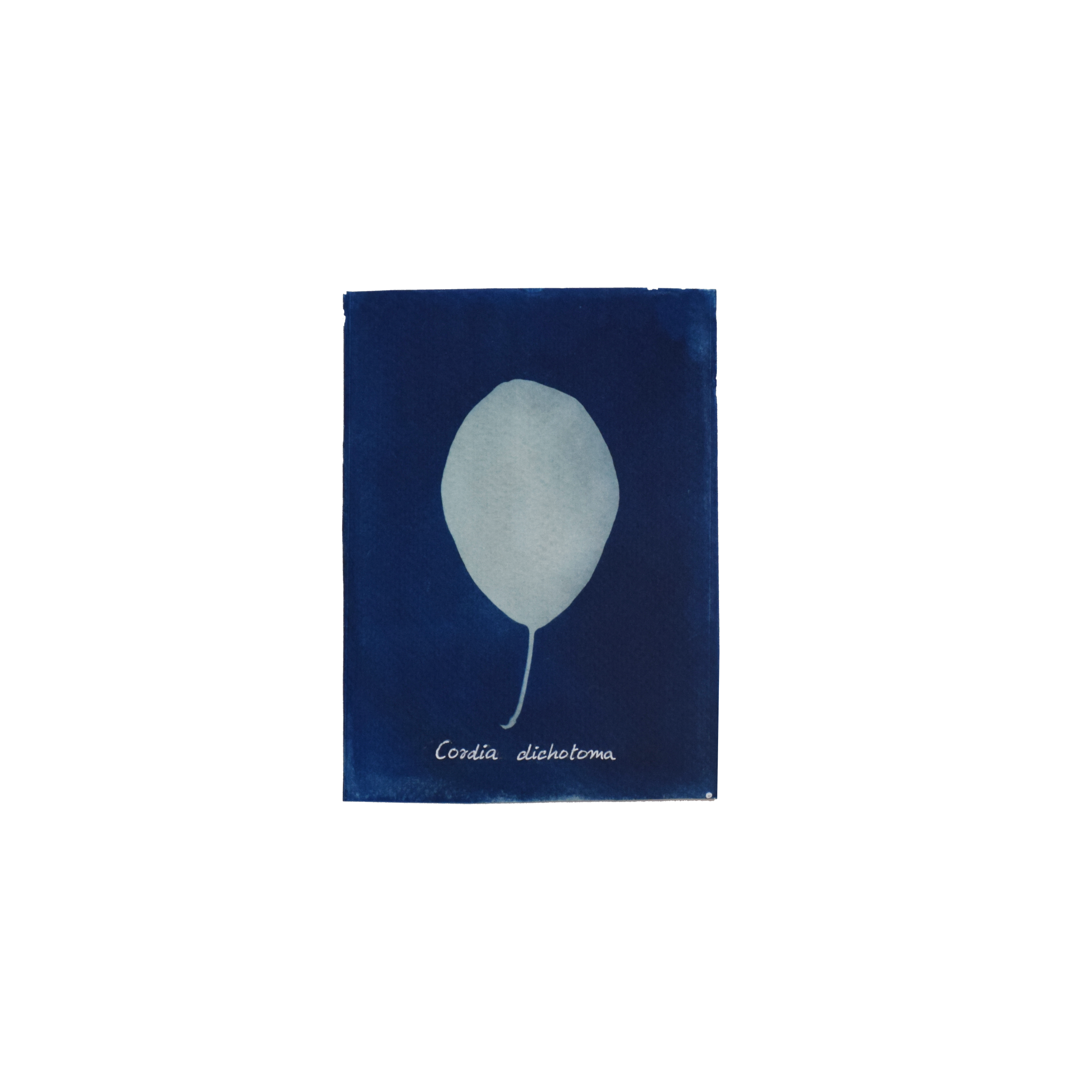
Cordia dichotoma (Indian cherry) // Leaves simple, alternate, ovate to broadly ovate or elliptic
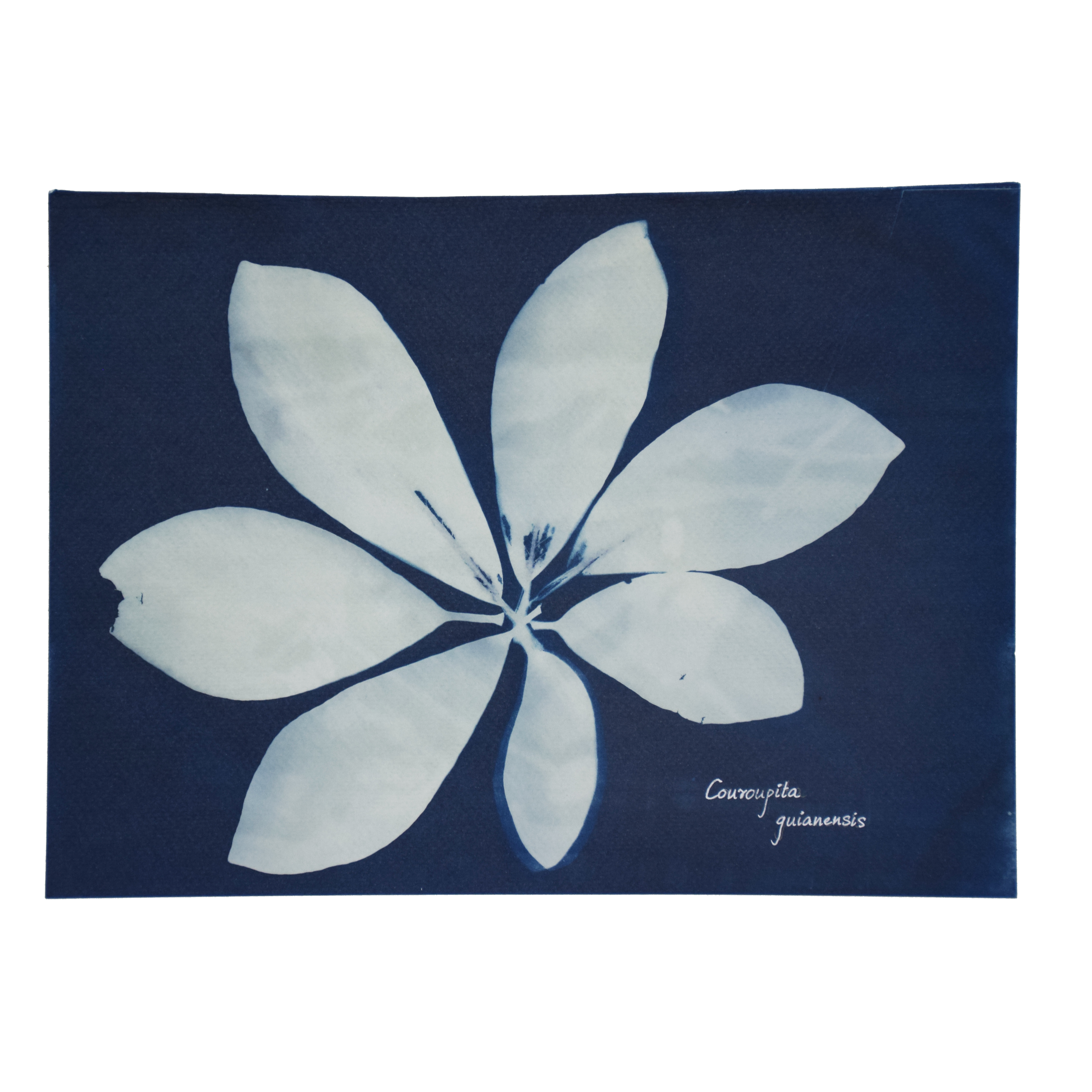
Couroupita guianensis (Cannonball) // Leaves simple, alternate, smooth or serrated, oblong, obovate, elliptic, or broadly lanceolate, arranged spirally
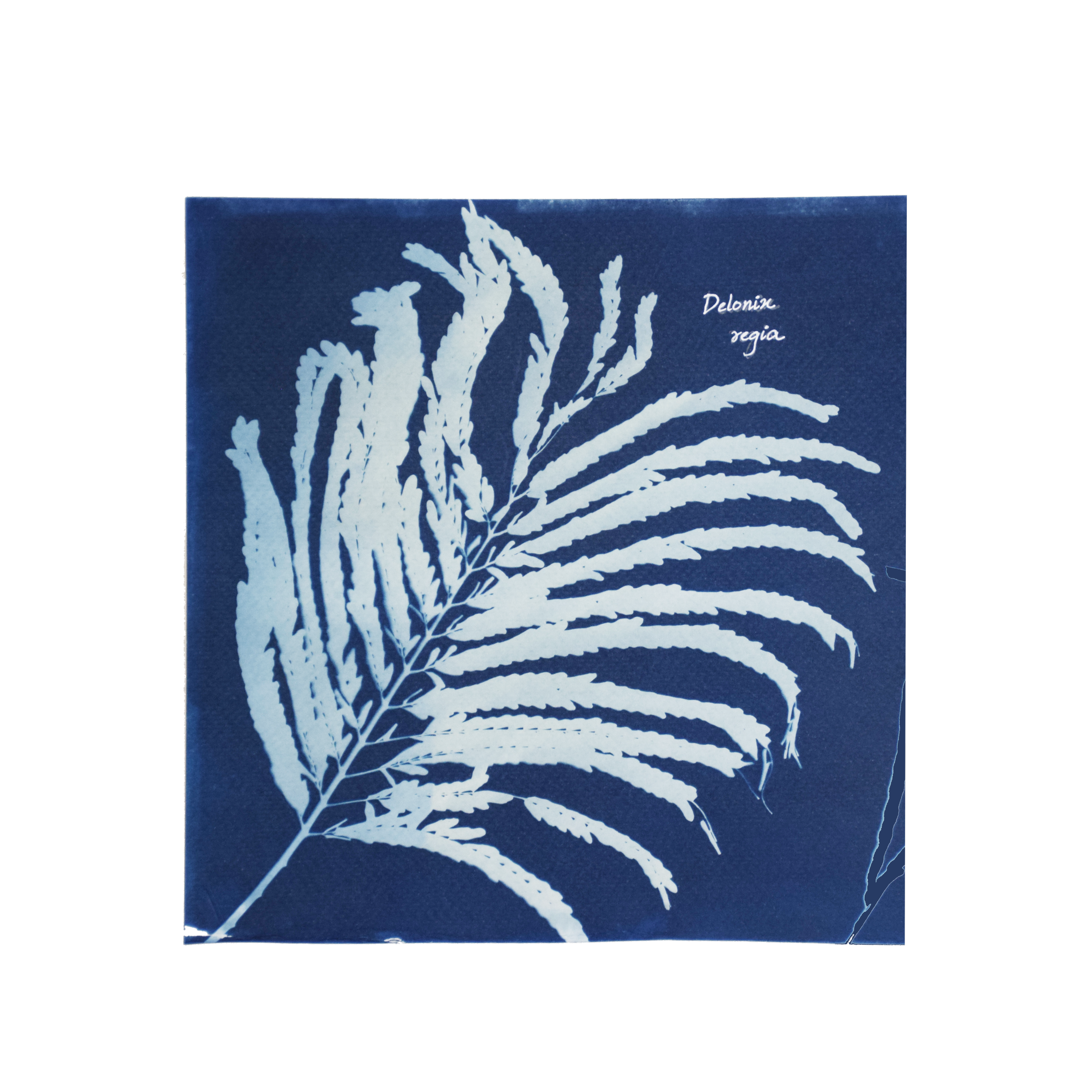
Delonix regia (Gulmohar) // Leaves compound, bipinnate, alternate
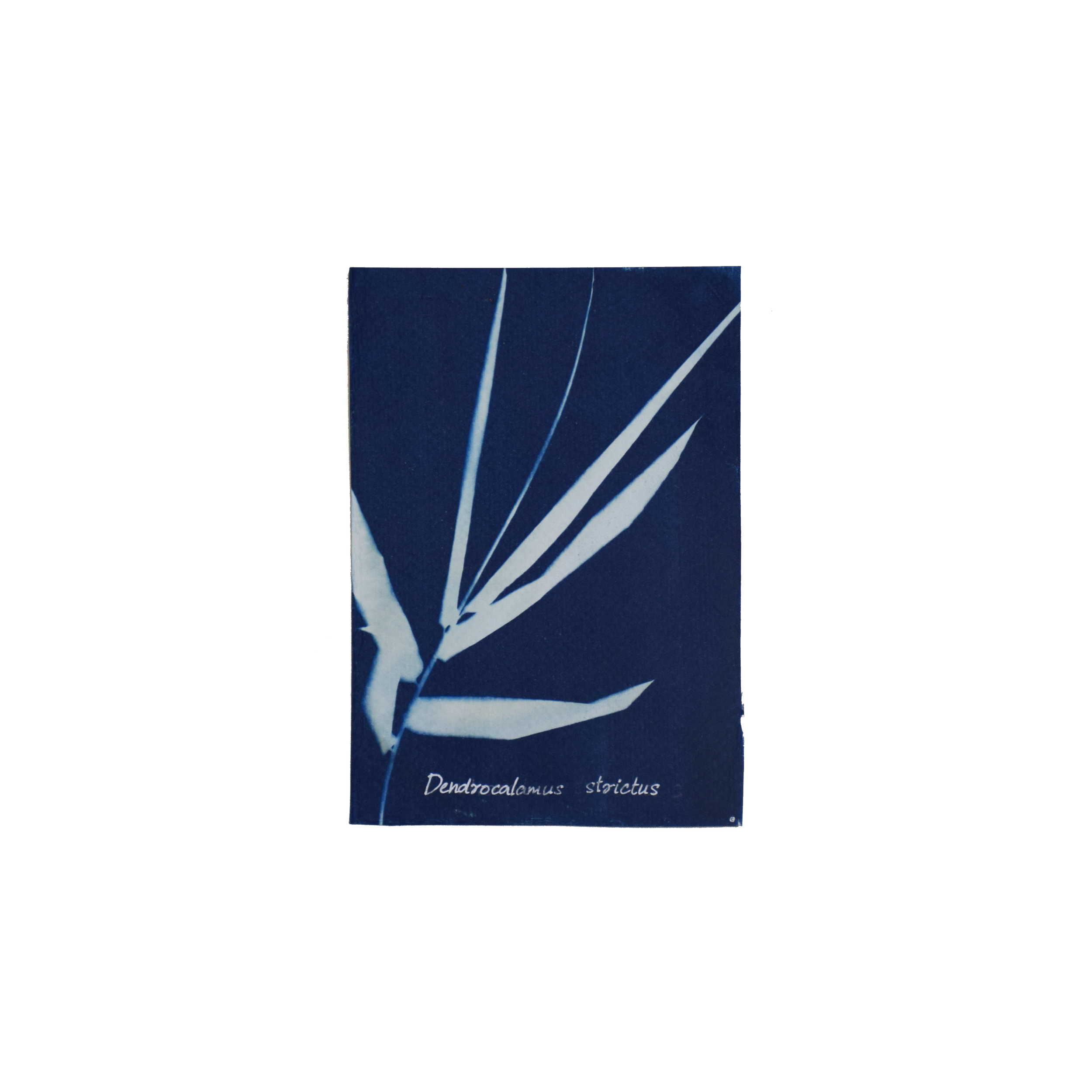
Dendrocalamus strictus (Bamboo) // Simple, alternate, distichous, lanceolate
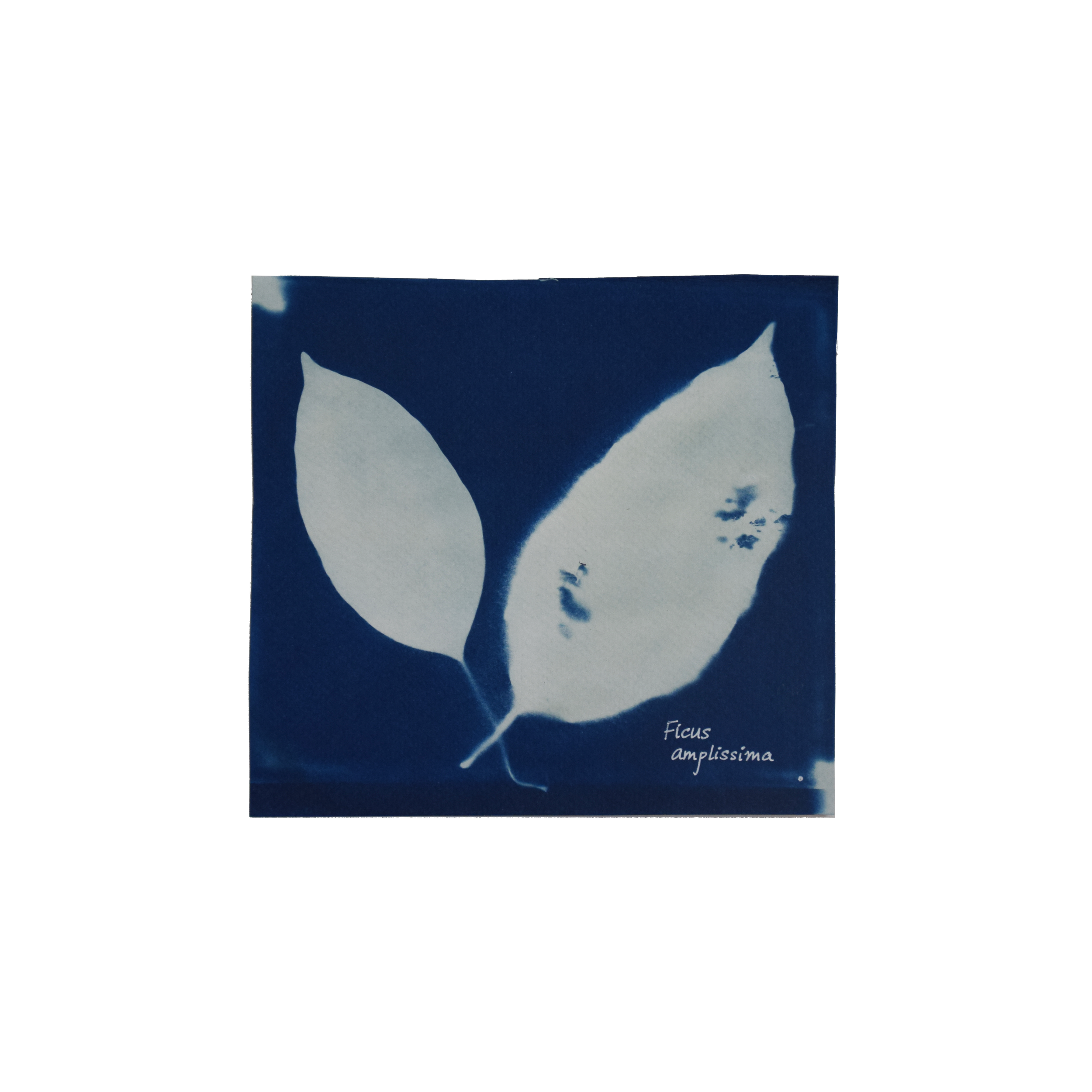
Ficus amplissima (Indian Bat tree) // Leaves simple, alternate, broadly ovate to ovate-oblong
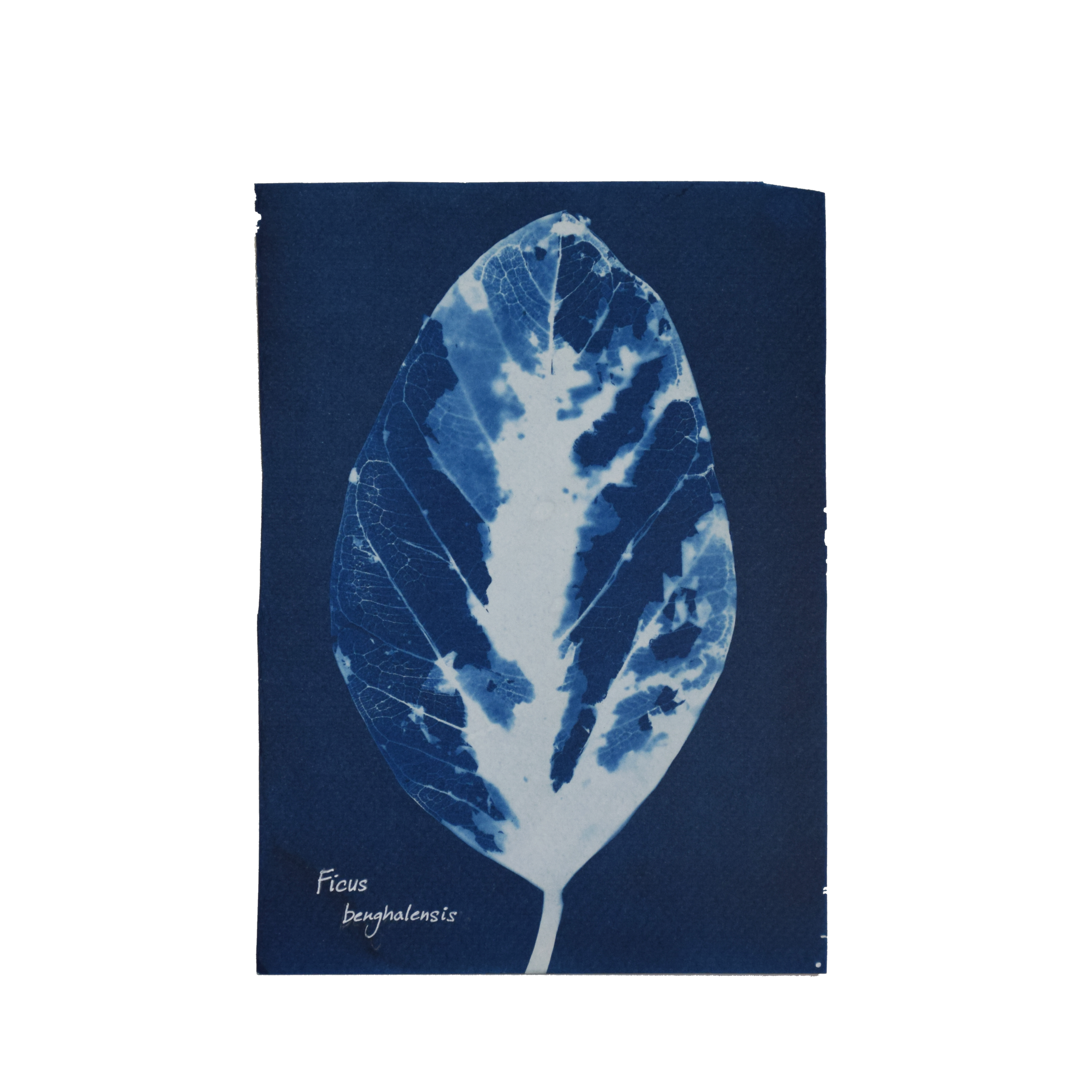
Ficus benghalensis (Banyan) // Leaves simple, alternate, ovate to elliptic
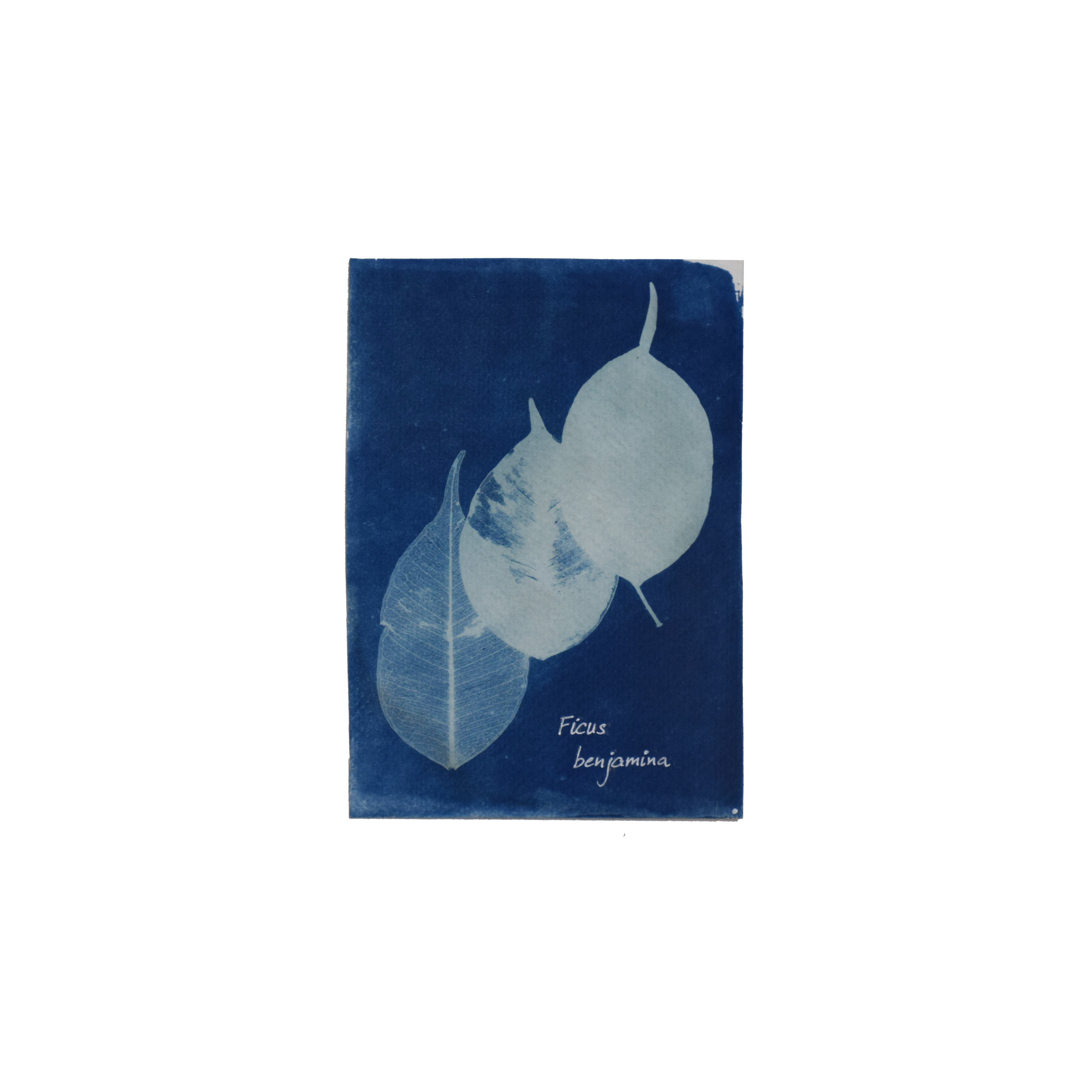
Ficus benjamina (Weeping fig) // Leaves simple, alternate, ovate to elliptic
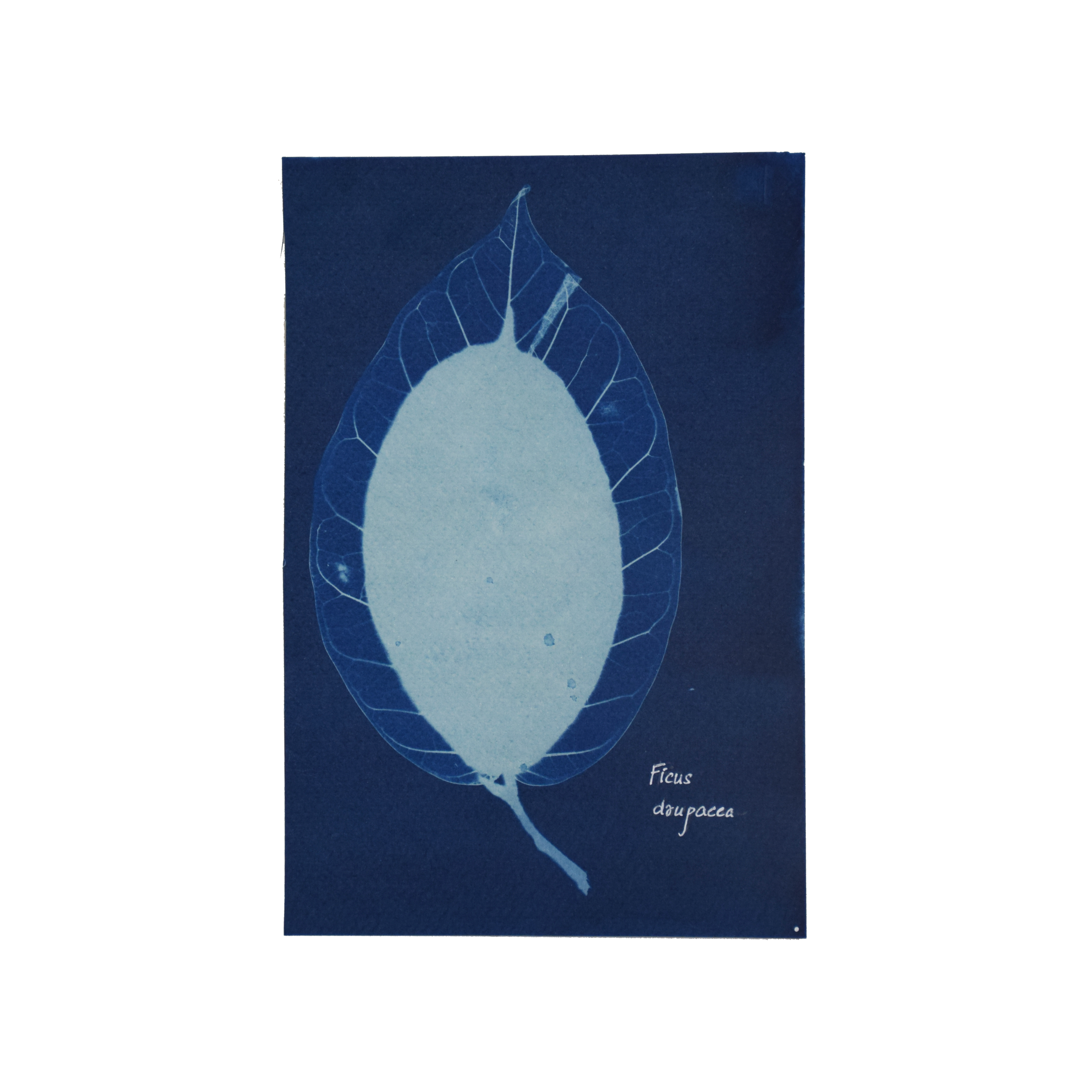
Ficus drupacea (Mysore fig) // Leaves simple, alternate and spiral, broadly elliptic-oblong or ovate
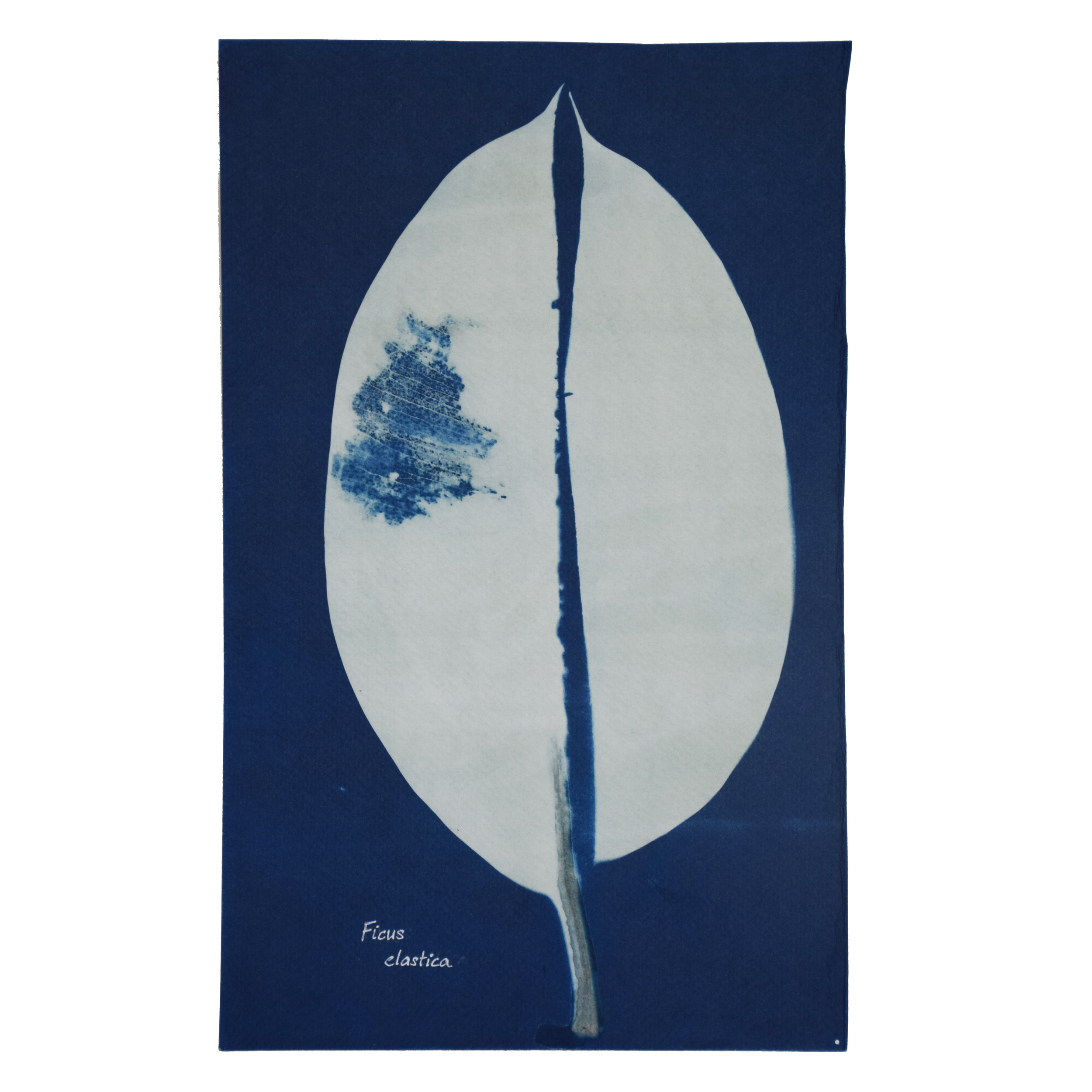
Ficus elastica (Rubber fig) // Leaves simple, alternate, elliptic to oblong
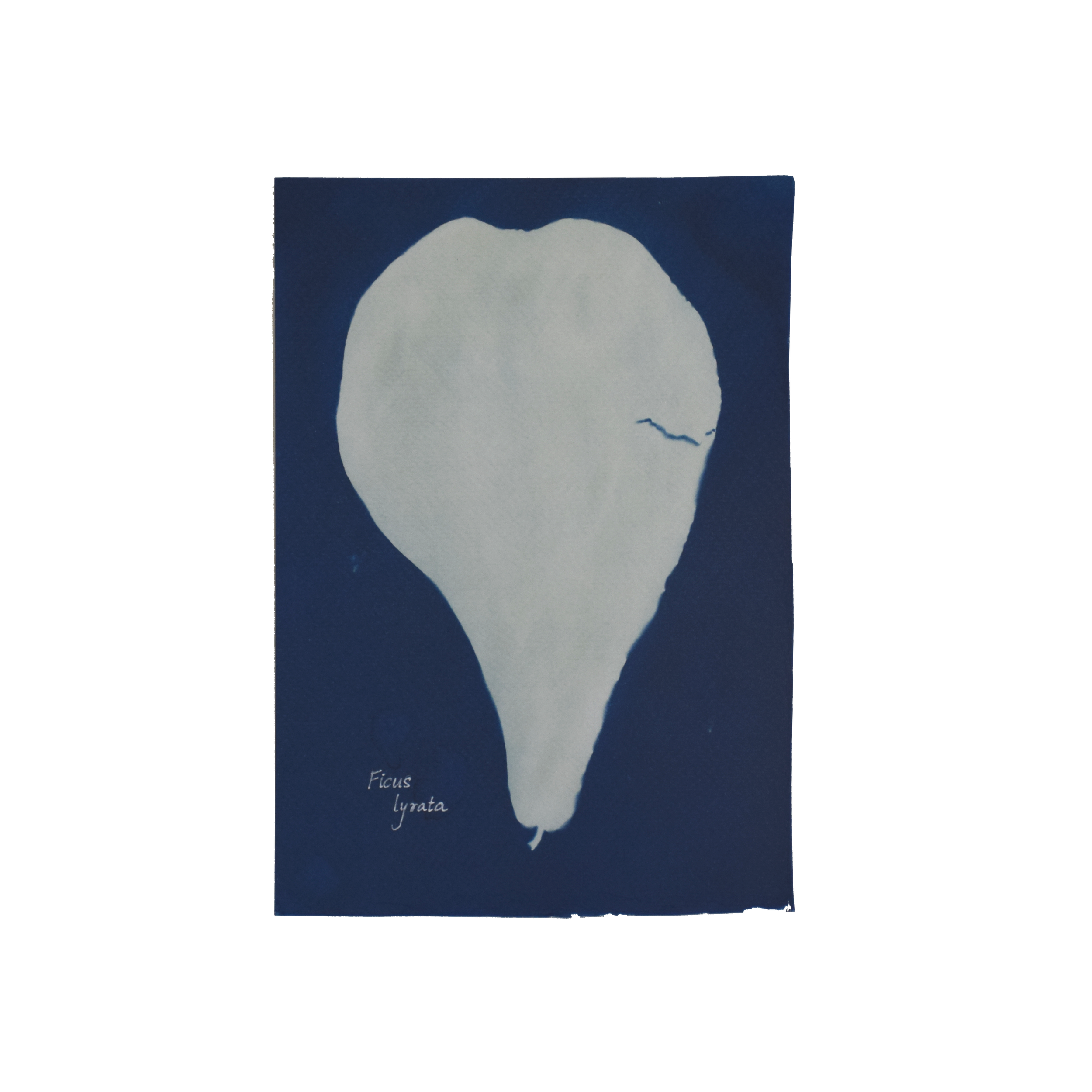
Ficus lyrata (Fiddle fig) // Leaves simple, alternate, pandurate (fiddle-shaped)
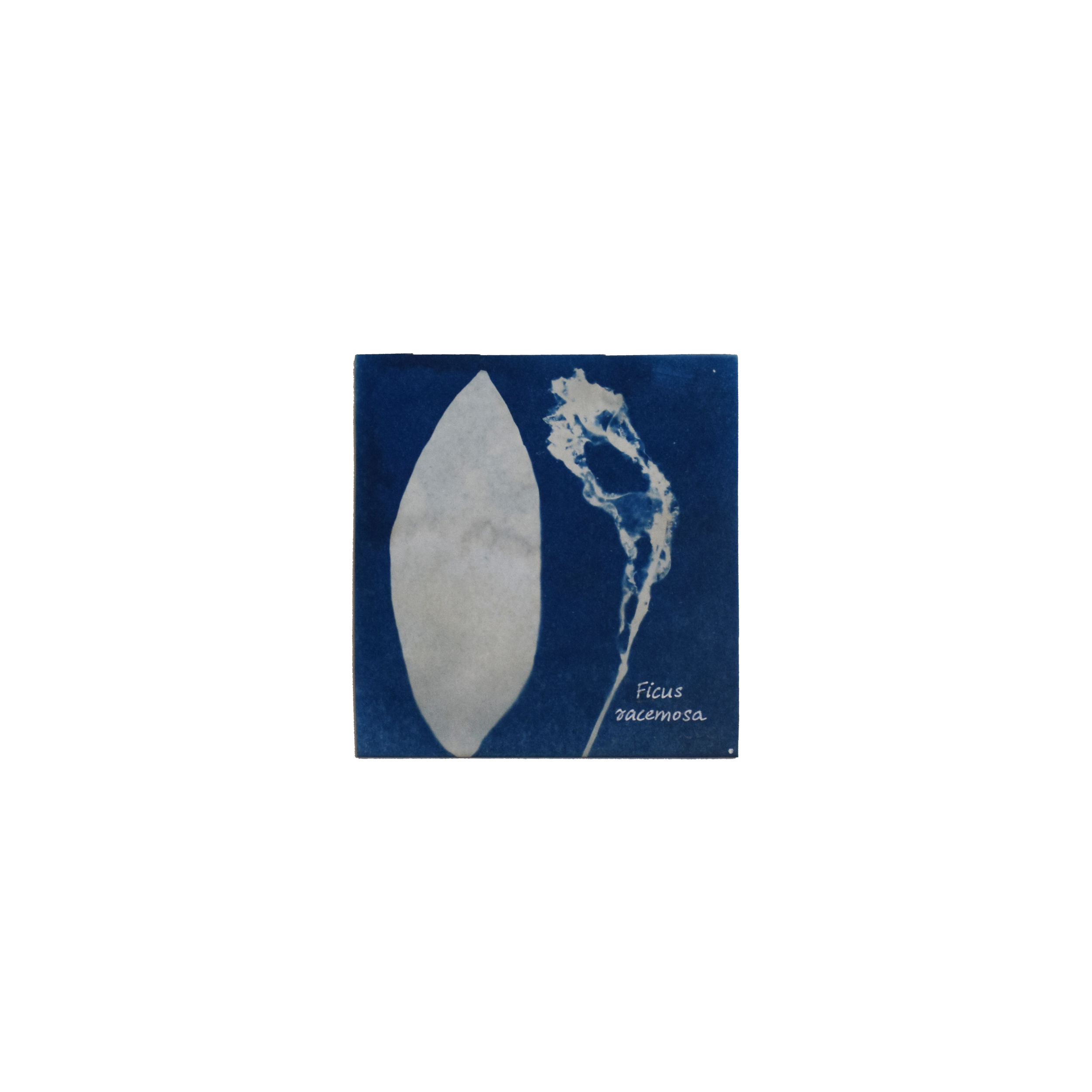
Ficus racemosa (Cluster fig) // Leaves simple, alternate, ovate to elliptic or ovate-lanceolate
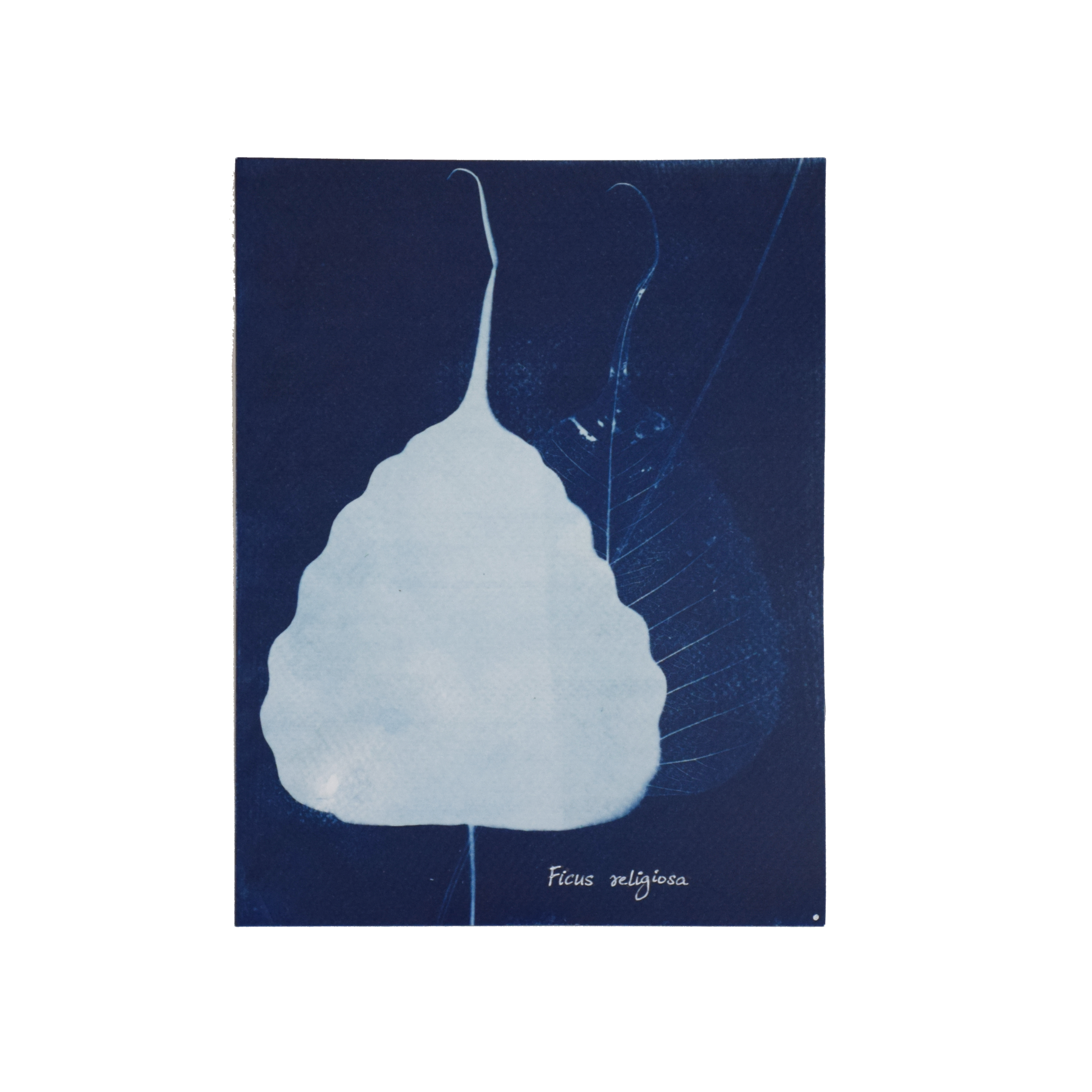
Ficus religiosa (Peepal) // Leaves simple, alternate, cordate base, ovate lamina, drip-tip apex
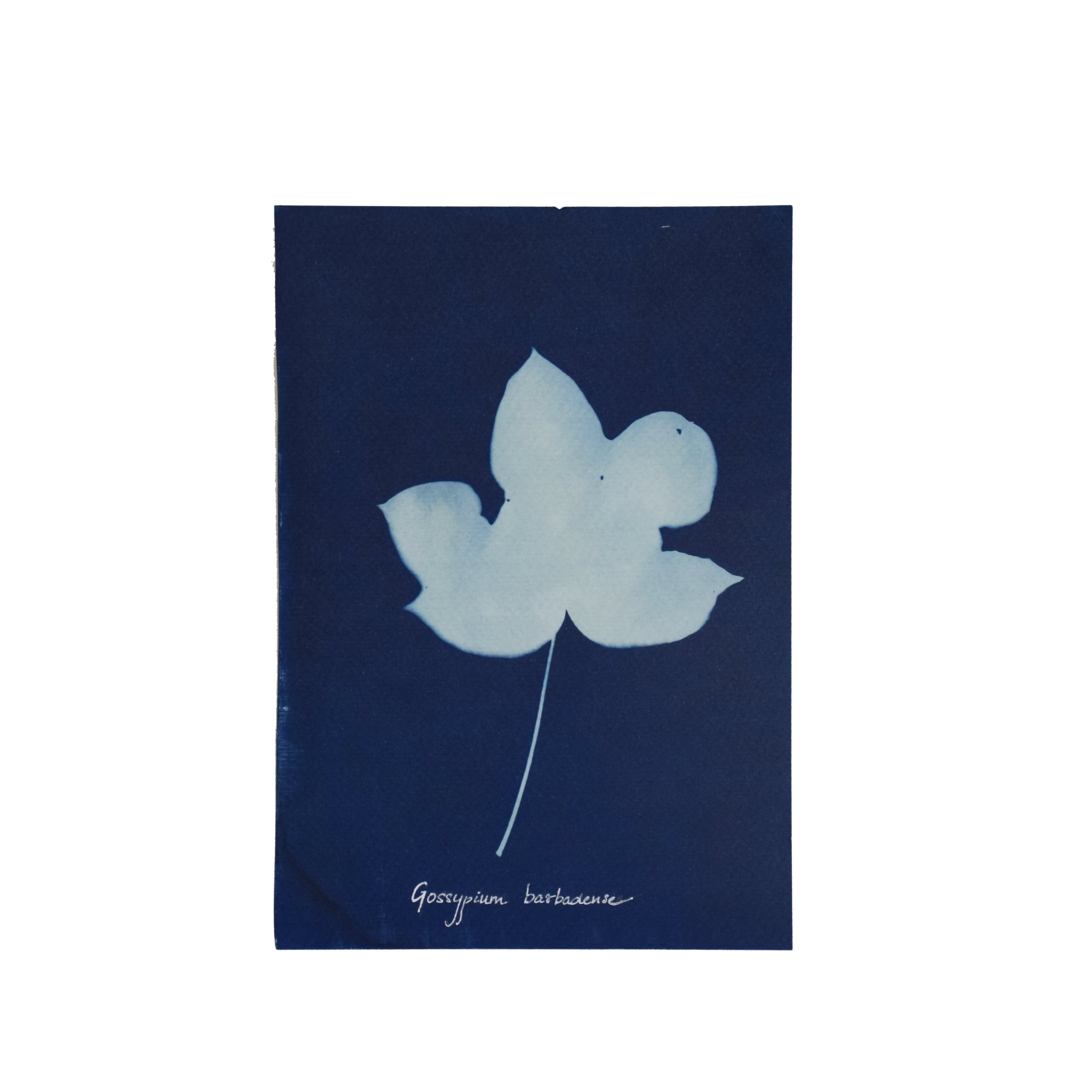
Gossypium barbadense (Sea island cotton) // Leaves simple, spiral or alternate, broadly ovate to cordate with 3-7 deep palmate lobes
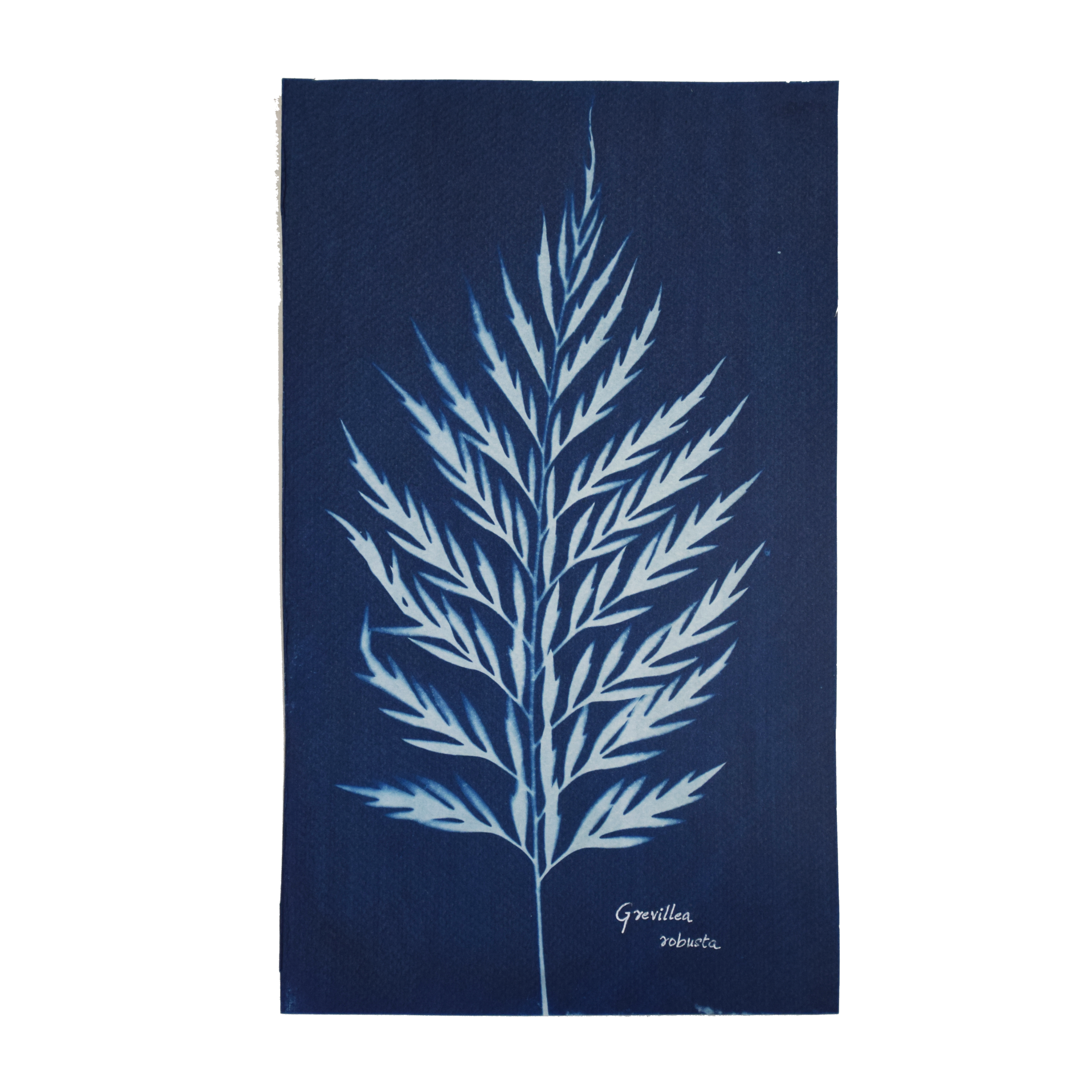
Grevillea robusta (Silver oak) // Leaves compound, bipinnate or tripinnate, alternate, fern-like with linear to narrow triangular lobes
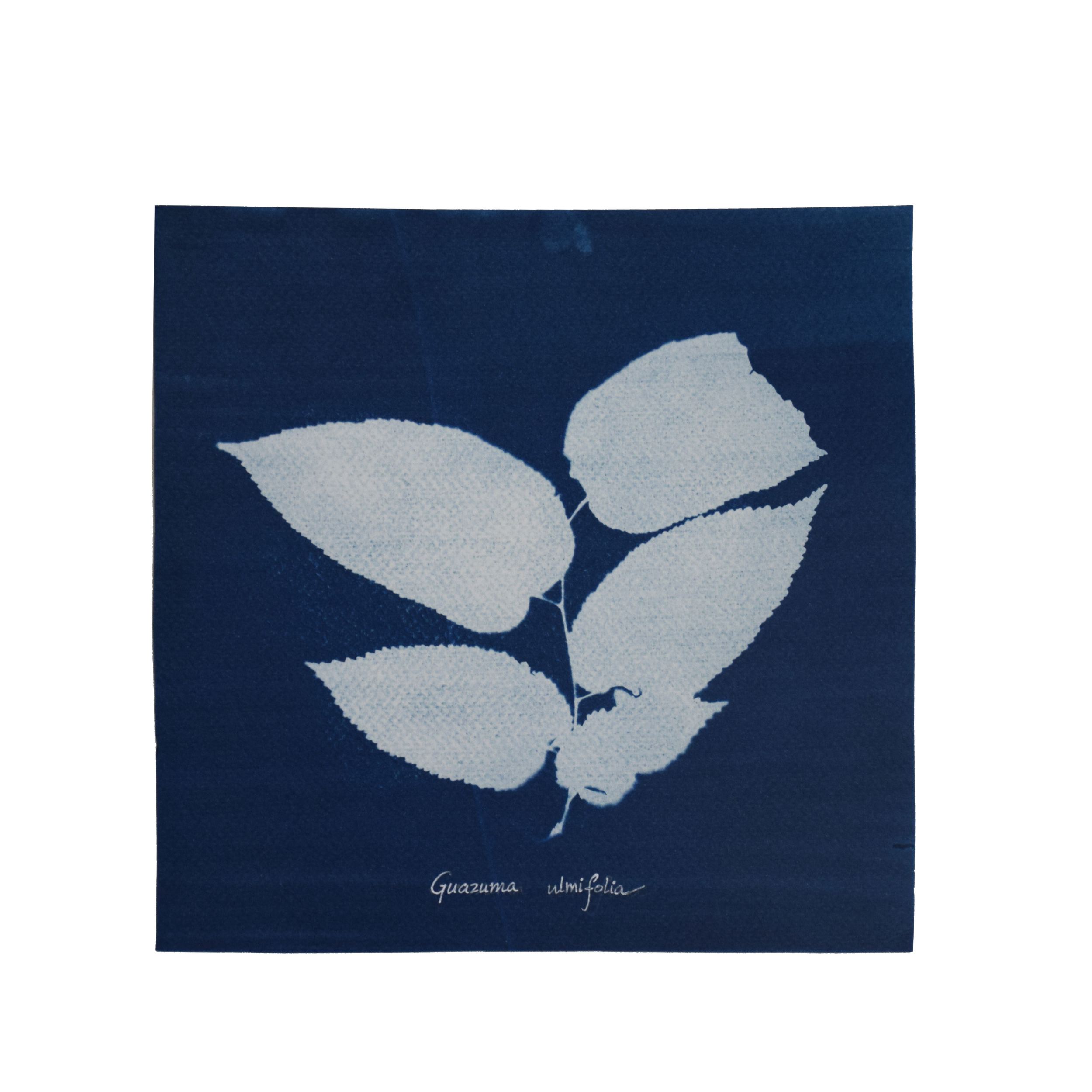
Guazuma ulmifolia (West Indian elm) // Leaves simple, alternate, ovate to lanceolate
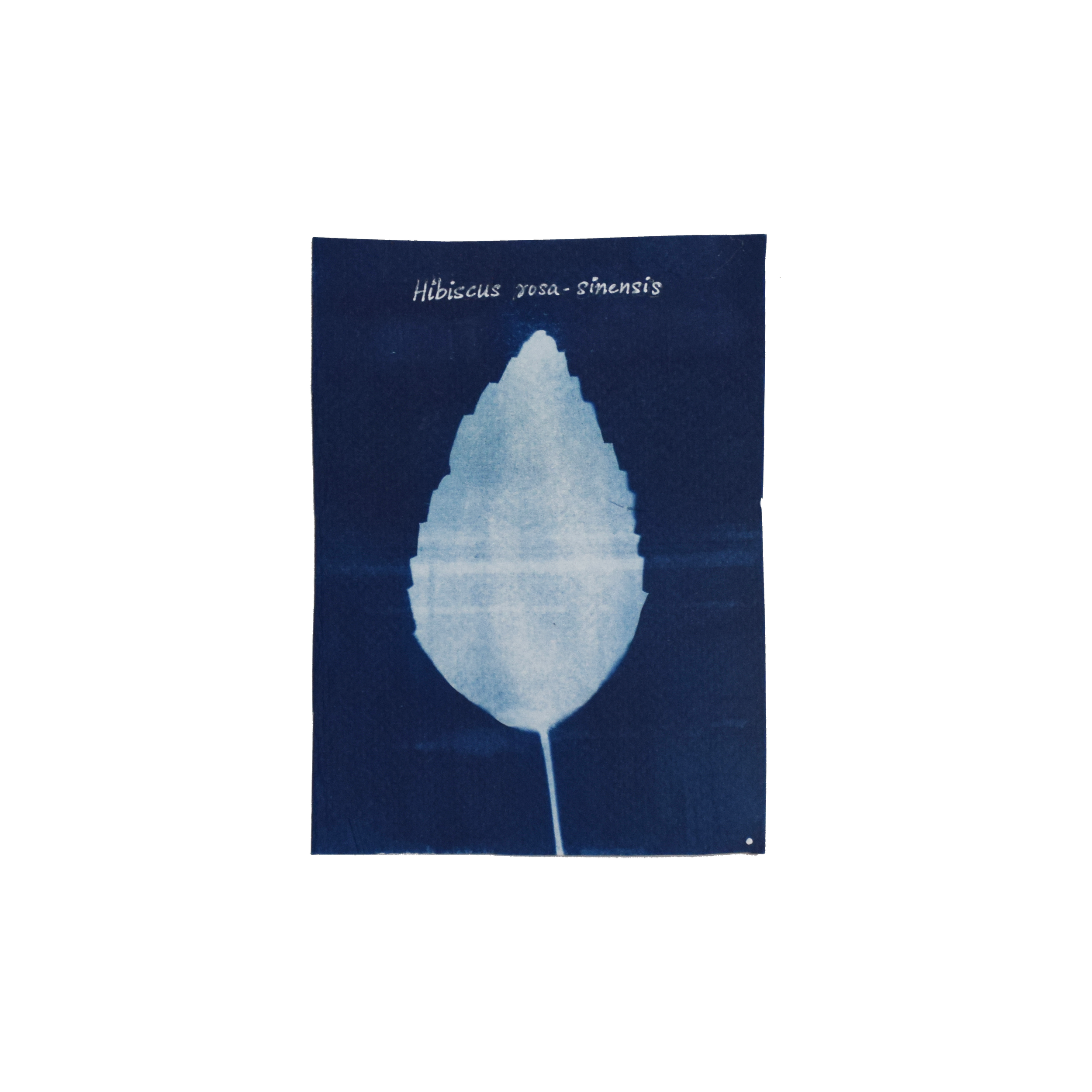
Hibiscus rosa-sinensis (Hibiscus) // Leaves, simple, alternate, ovate or lanceolate, serrated
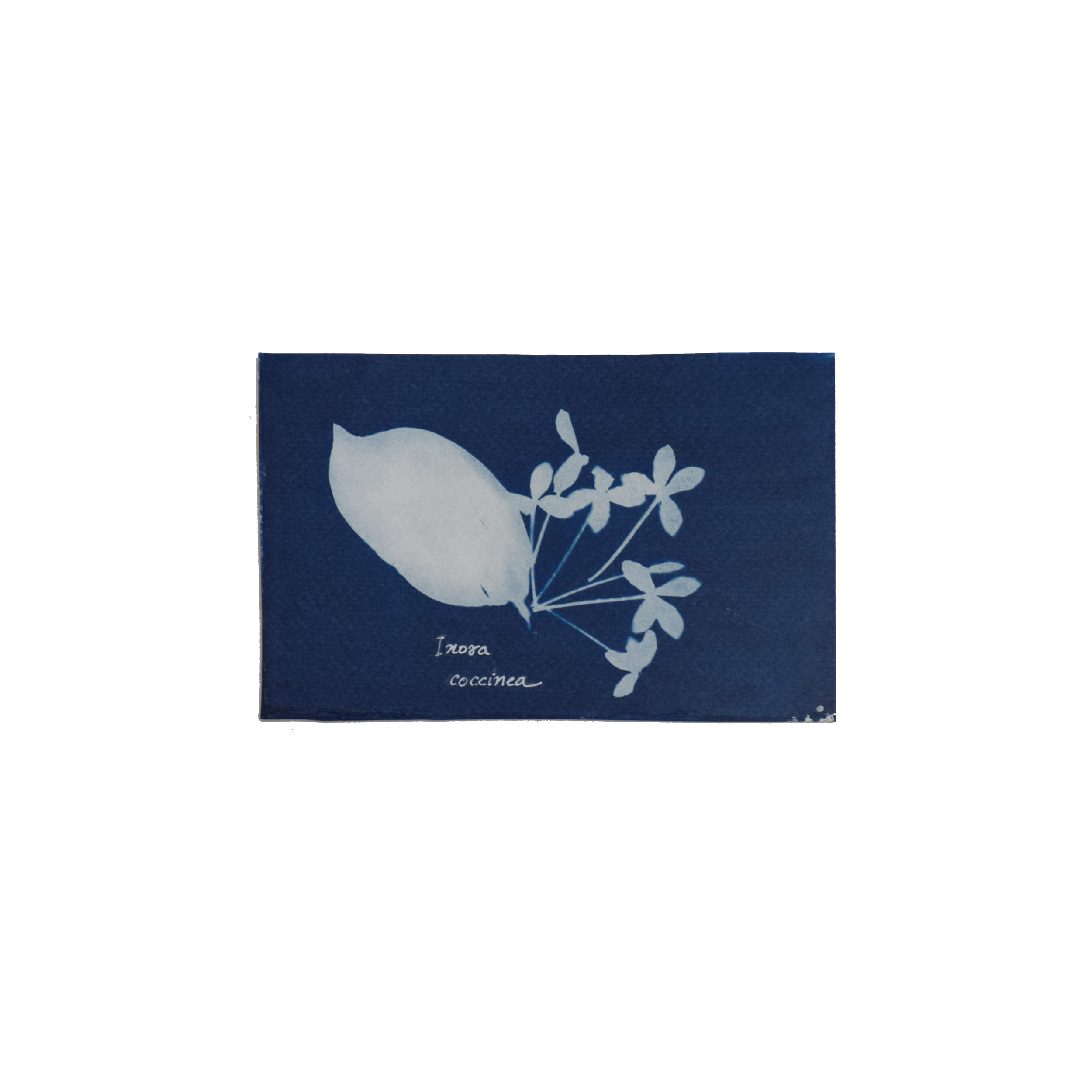
Ixora coccinea (Red ixora) // Leaves simple, opposite, oblong to ovate
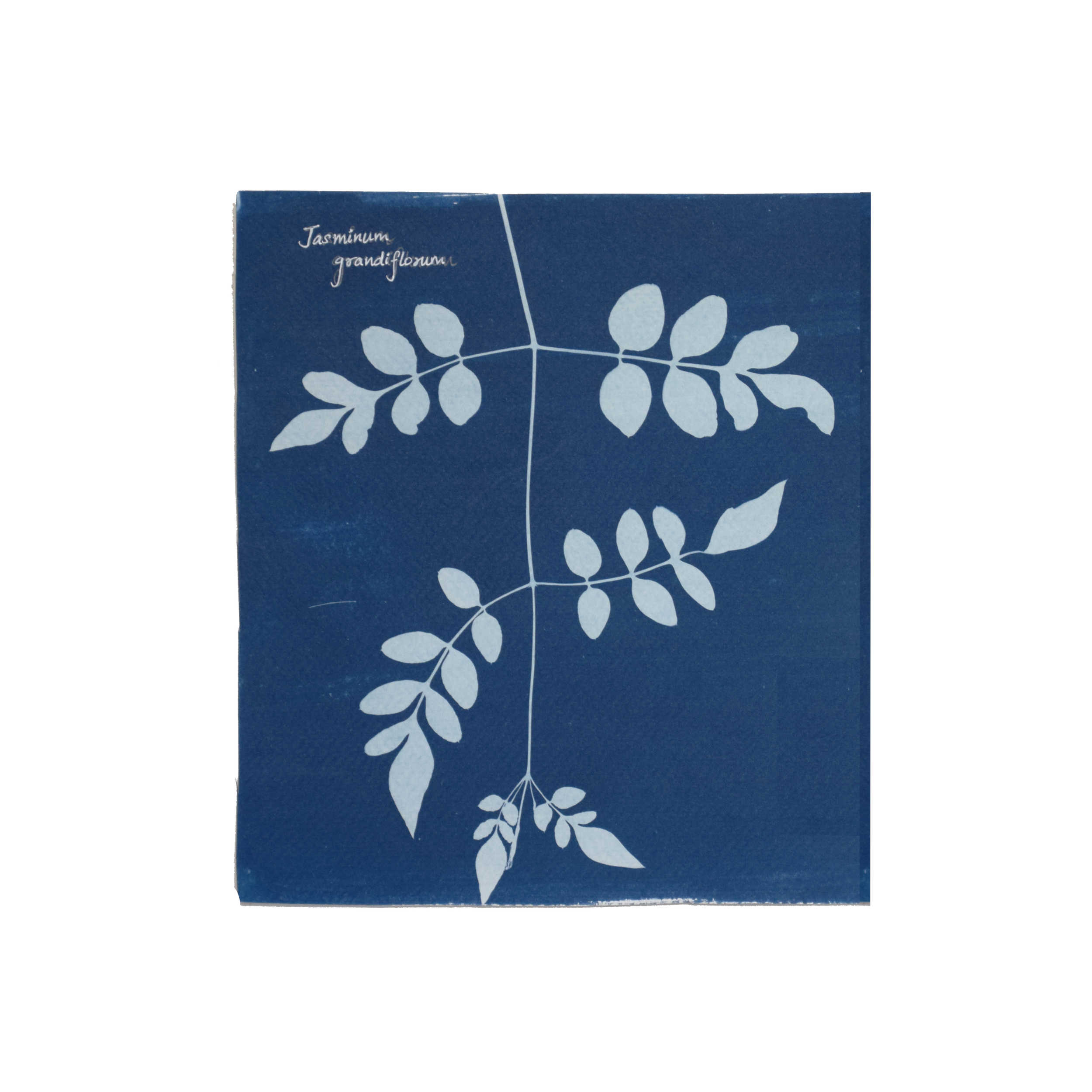
Jasminum grandiflorum (Royal jasmine) // Leaves compound, imparipinnate, opposite
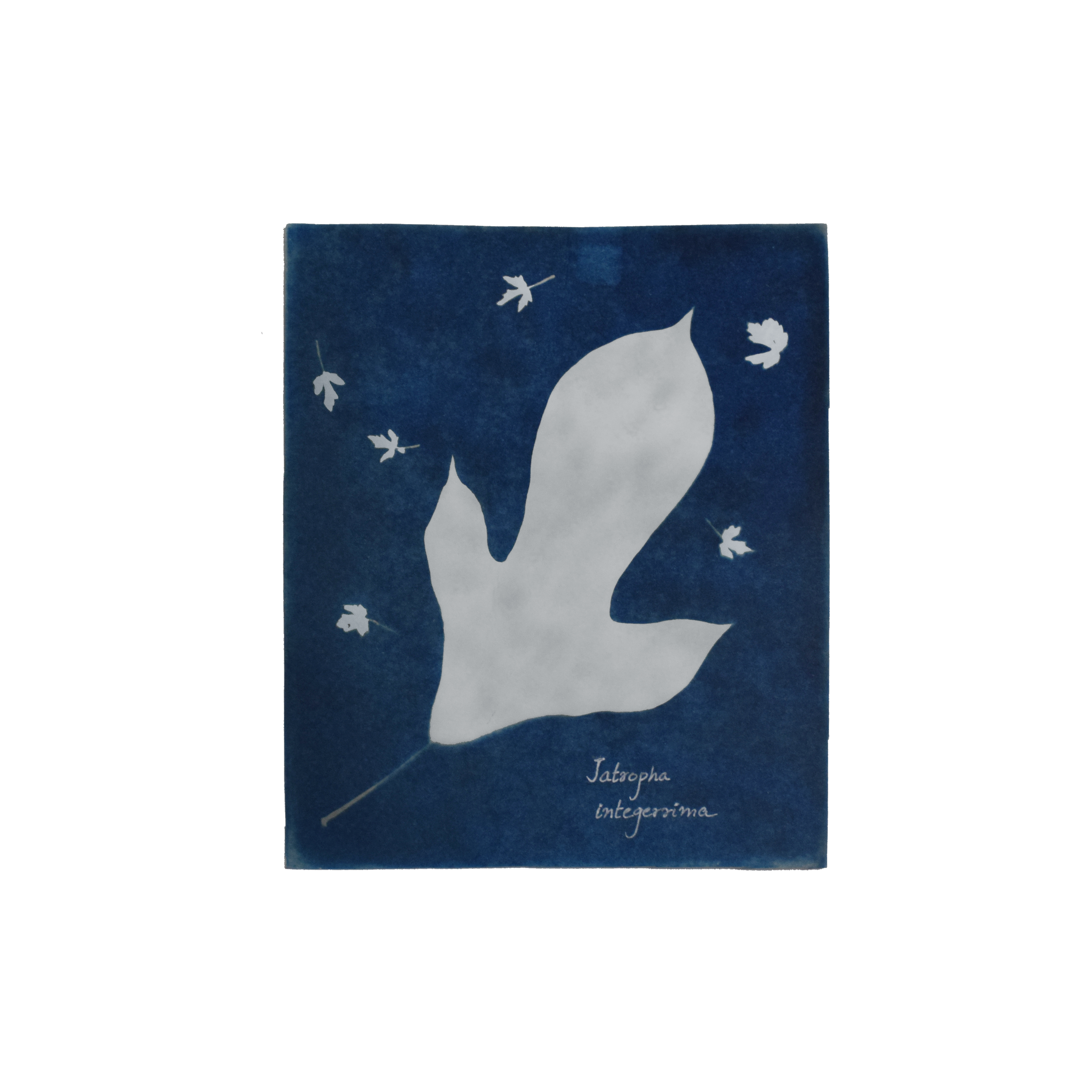
Jatropha integerrima (Peregrina) // Leaves simple, alternate, lobed
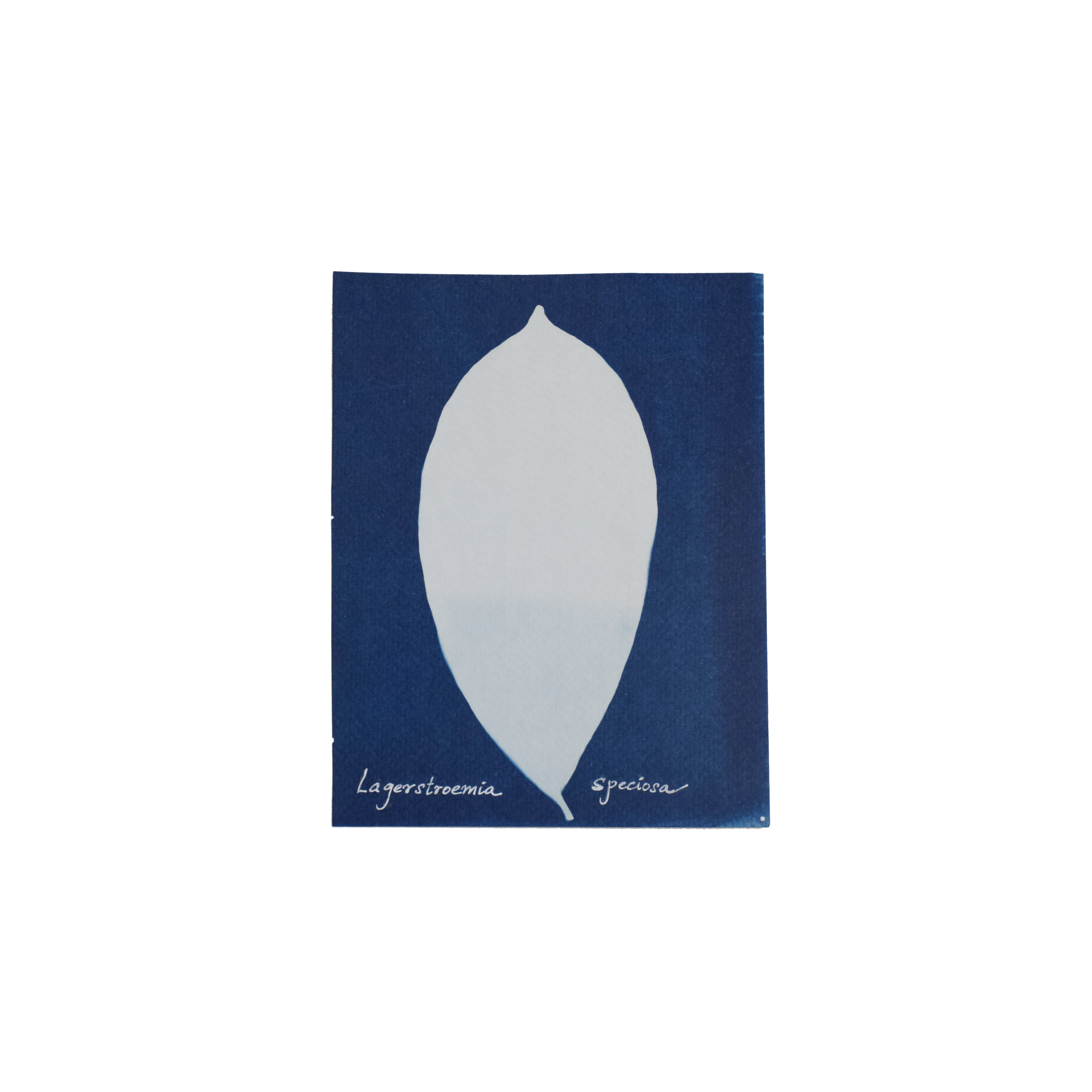
Lagerstroemia speciosa (Queen crape myrtle) // Leaves simple, opposite, subopposite or whorled, elliptic, oblong, or ovate-lanceolate
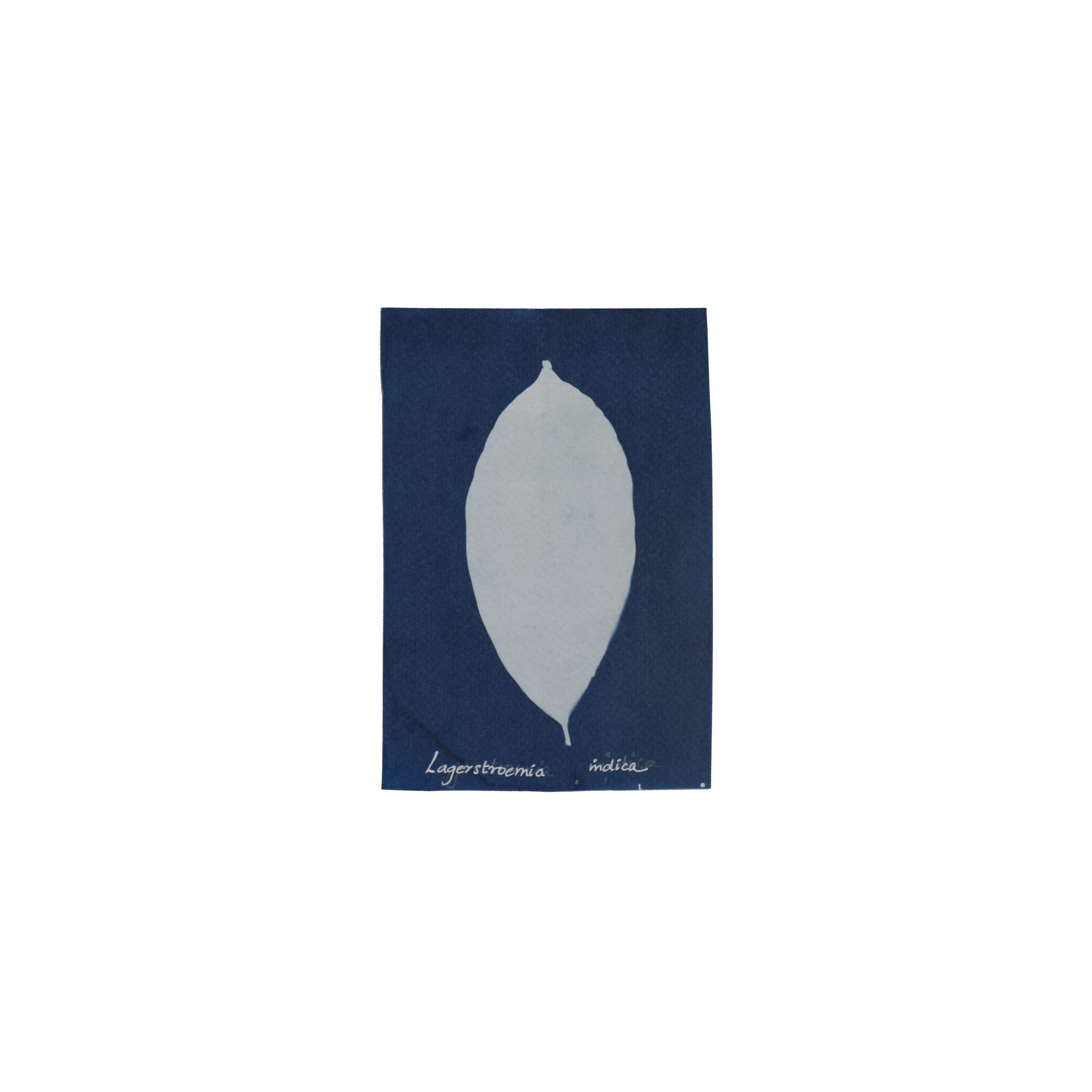
Lagerstroemia indica (Crape myrtle) // Leaves simple, opposite, sub-opposite or alternate, oval, elliptic or oblong
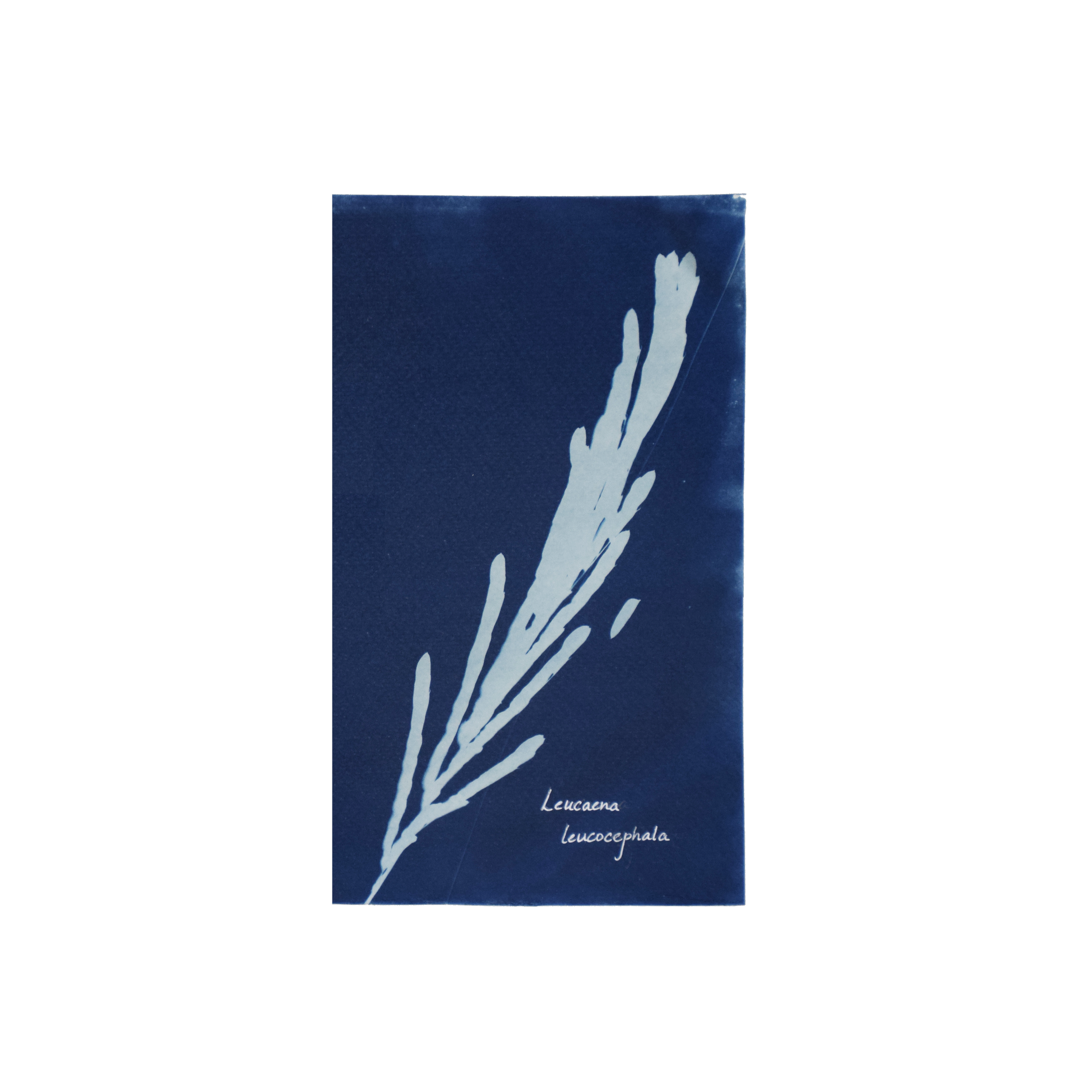
Leucaena leucocephala (River tamarind) // Leaves compound, bipinnate, alternate, linear-oblong or lanceolate
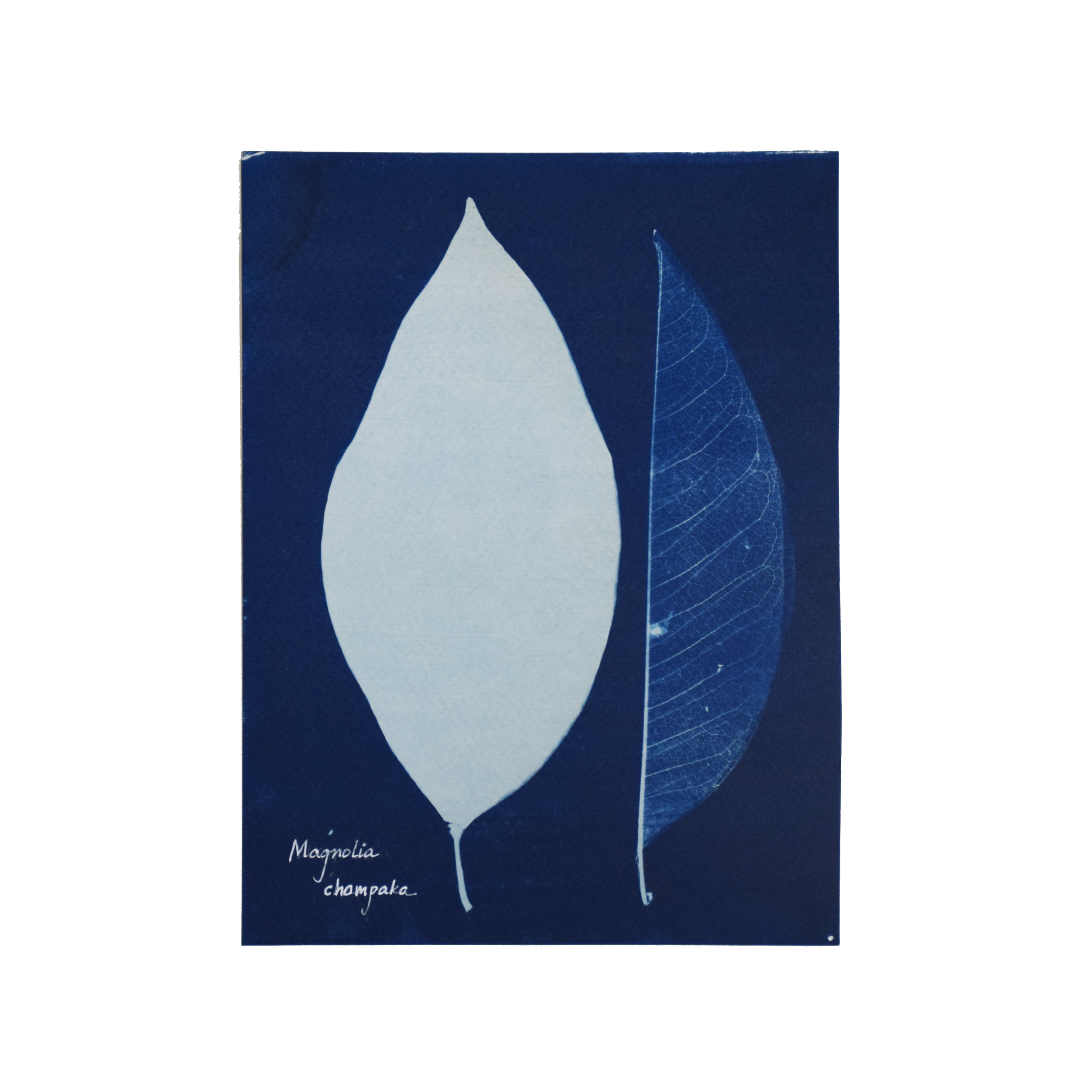
Magnolia champaca (Champaka) // Leaves simple, alternate, ovate to elliptic-lanceolate with an acuminate apex
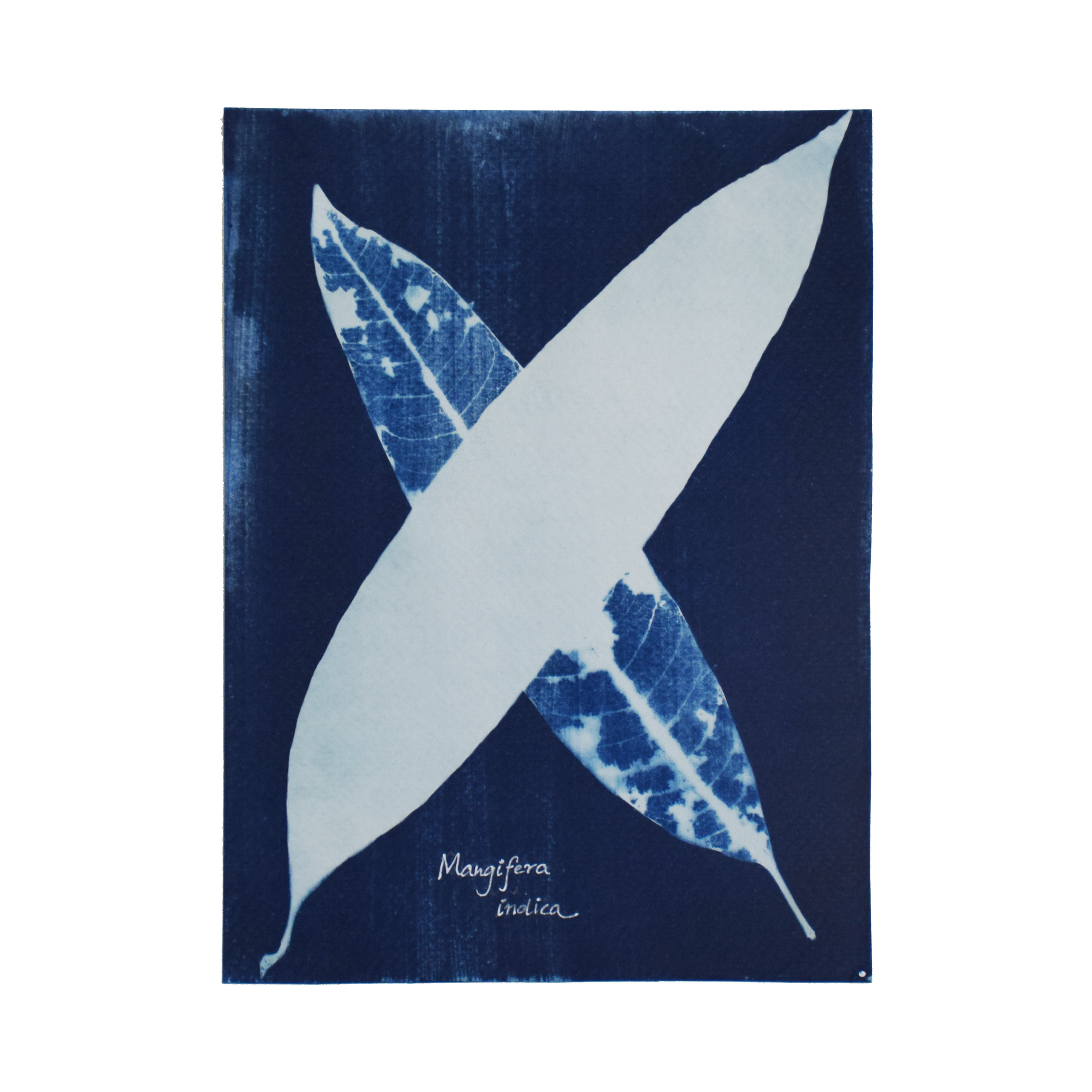
Mangifera indica (Mango) // Leaves simple, alternate, oblong-lanceolate
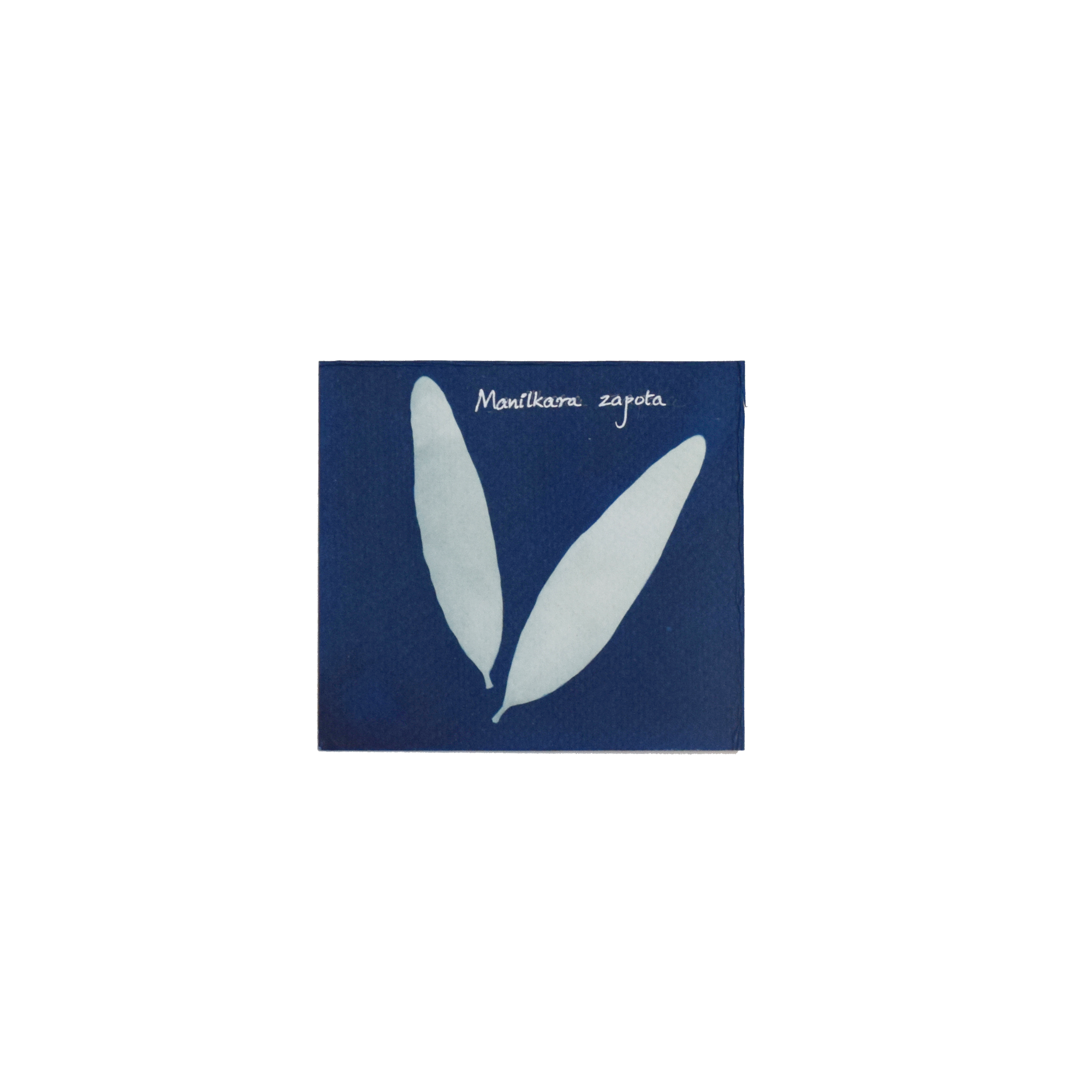
Manilkara zapota (Chikoo) // Leaves simple, alternate, clustered, elliptic to ovate
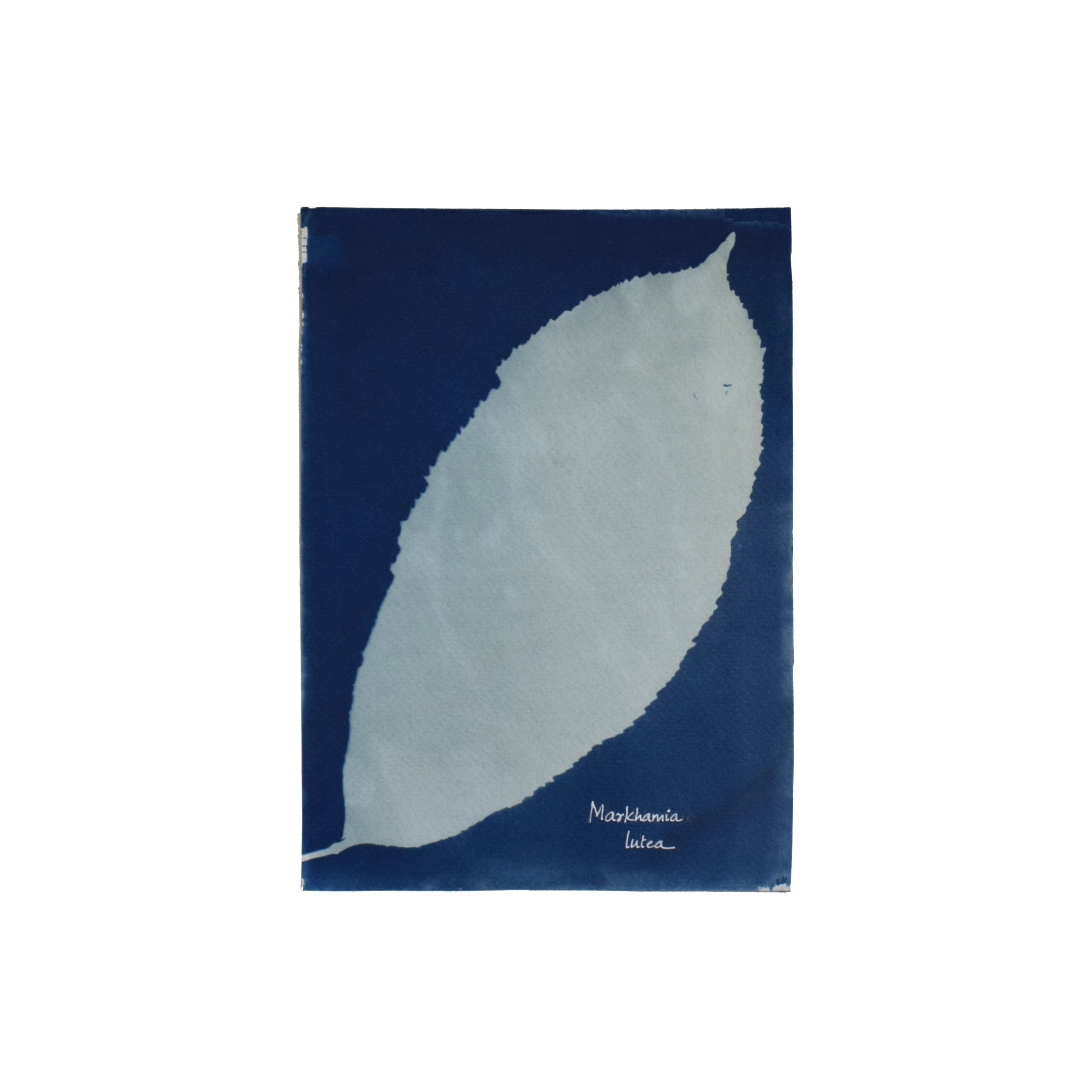
Markhamia lutea (Nile tulip) // Leves compound, imparipinnate, elliptic to obovate, serrated
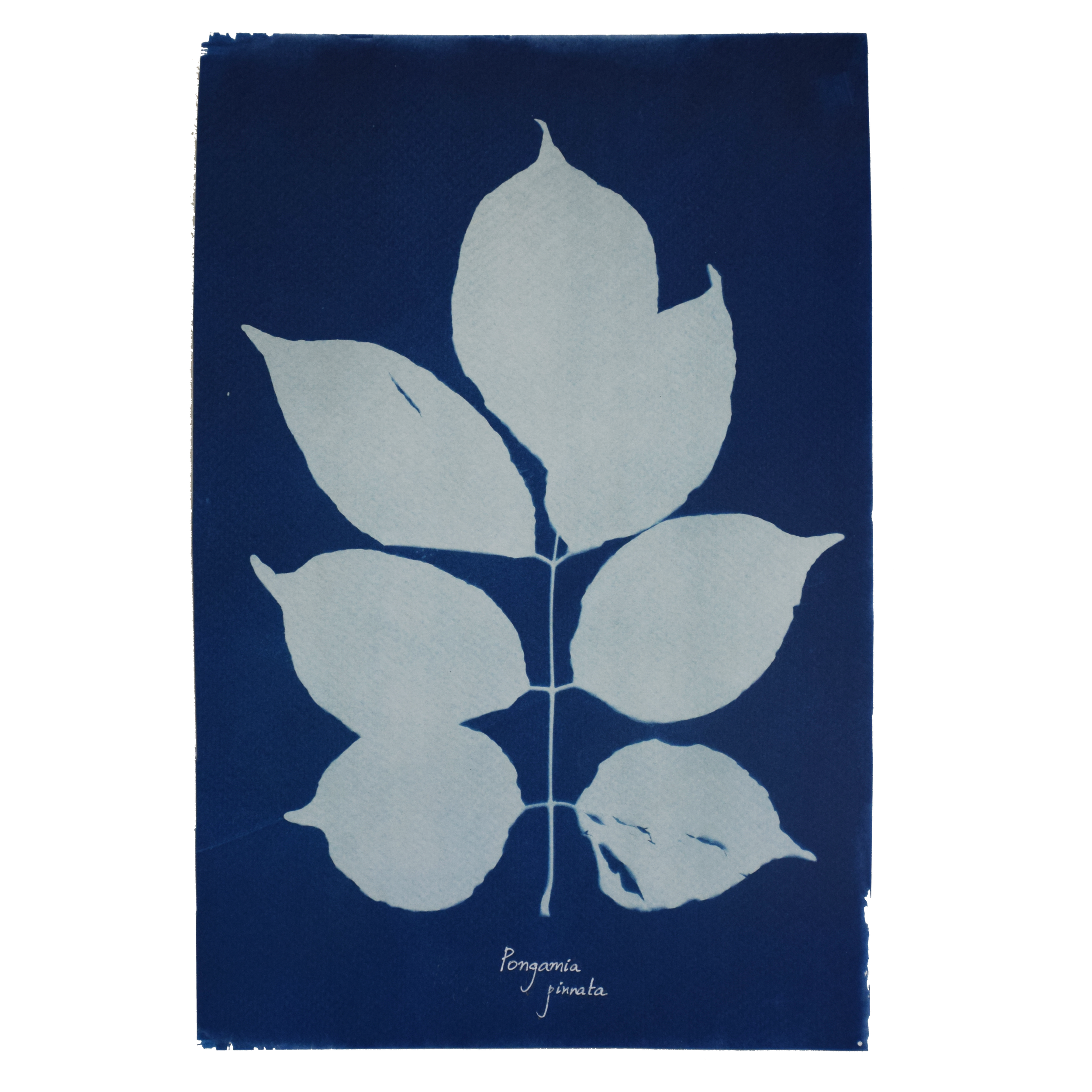
Millettia pinnata (Honge) // Leaves compound, imparipinnate, alternate, ovate or oblong, acuminate apex, cuneate base
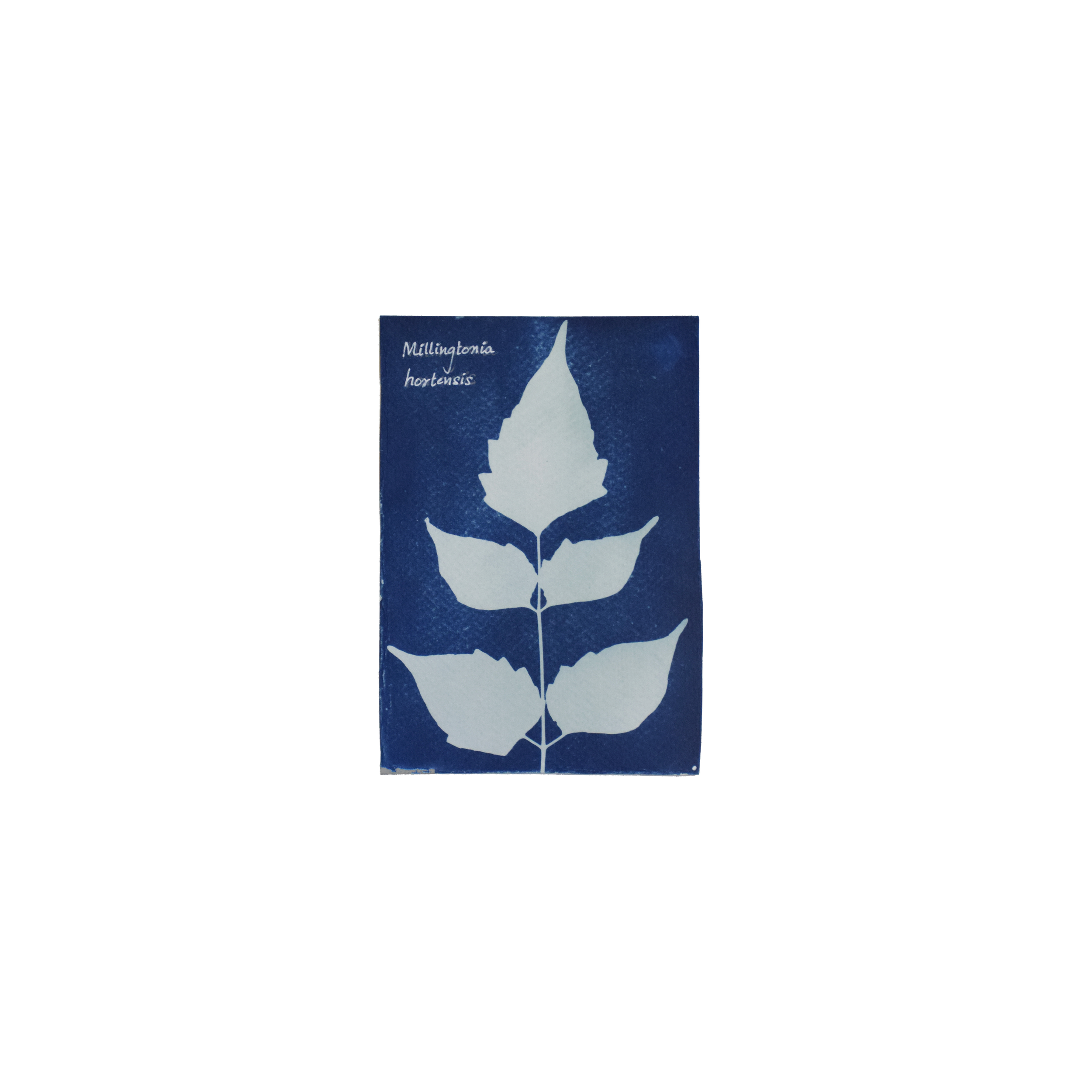
Millingtonia hortensis (Akashamallige) // Leaves compound, bi or tripinnate, opposite, ovate to lanceolate, serrated, acuminate tip
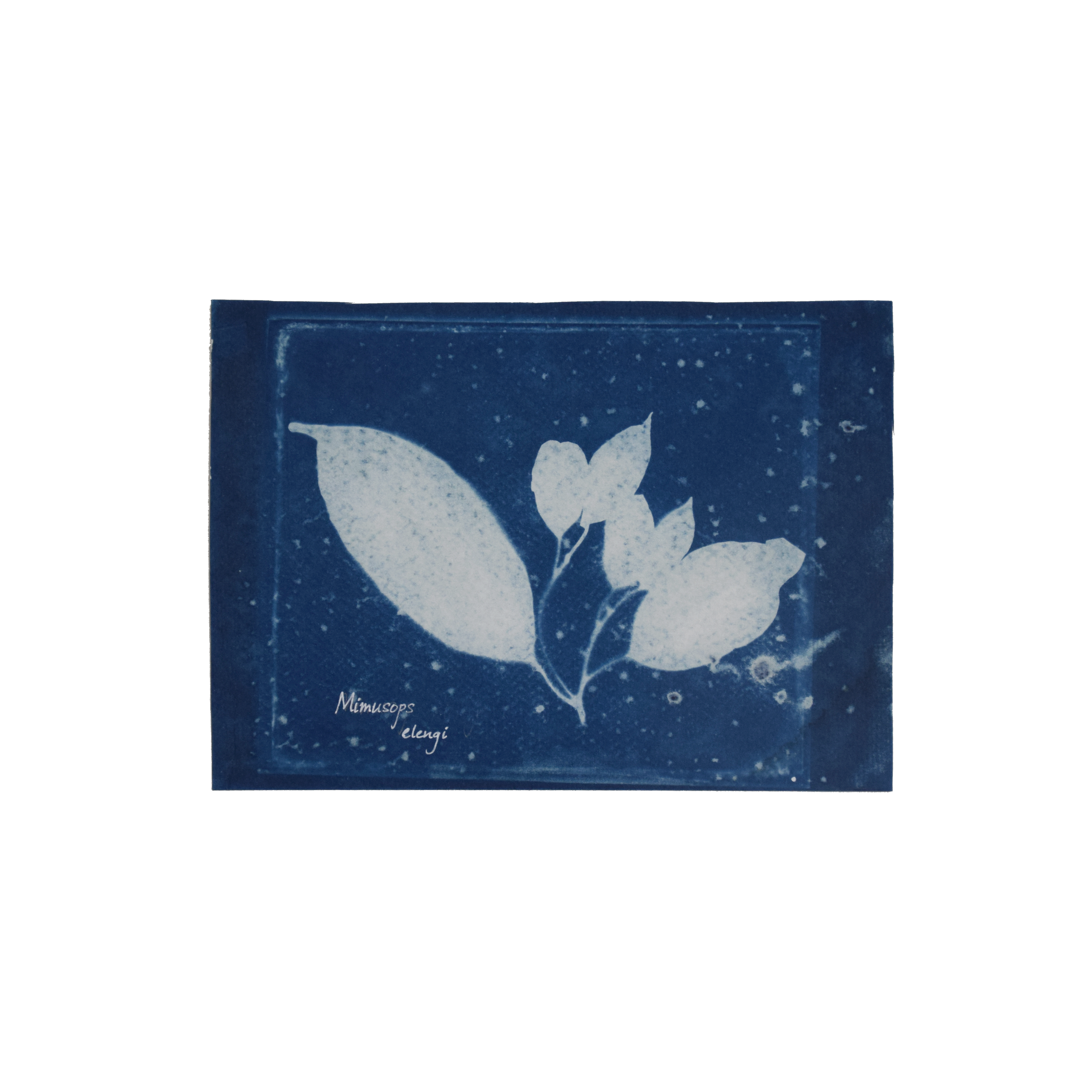
Mimusops elengi (Maulsari) // Leaves simple, alternate or spiral, ovate, elliptic or obovate
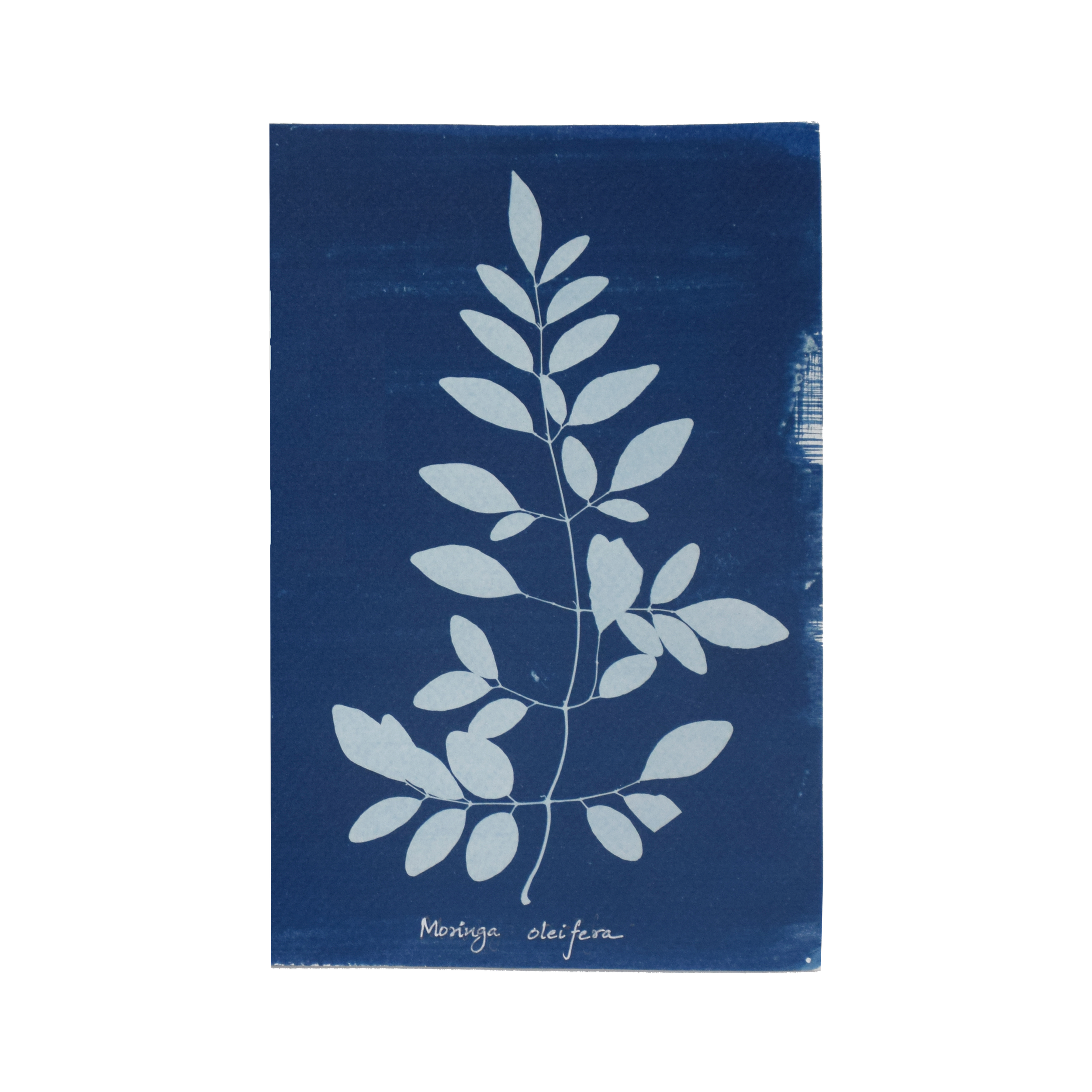
Moringa oleifera (Drumstick) // Leaves compound, tripinnate, alternate, elliptical to obovate
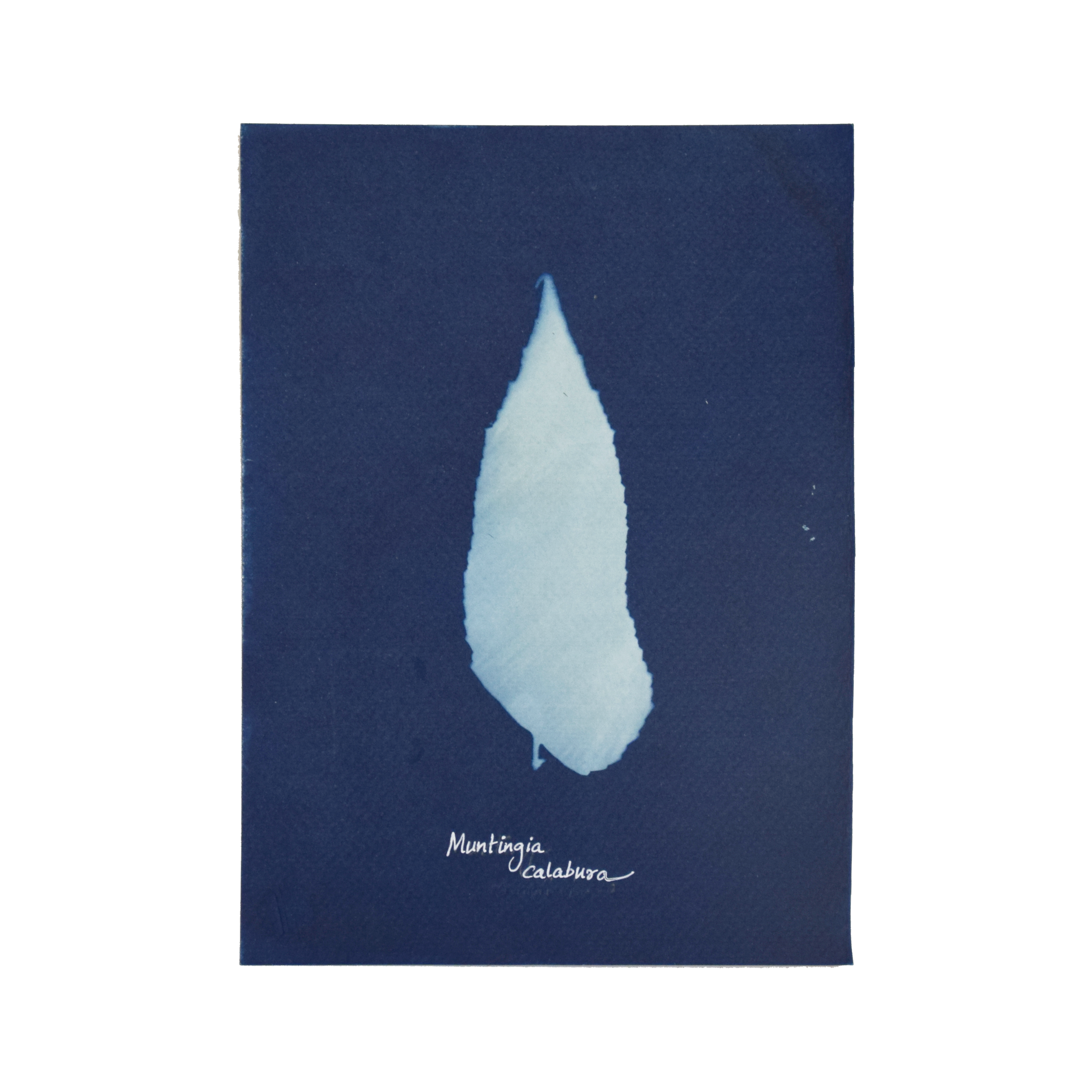
Muntingia calabura (Singapore cherry) // Leaves simple, alternate, distichous, oblong or lanceolate, serrated, oblique or asymmetrical base
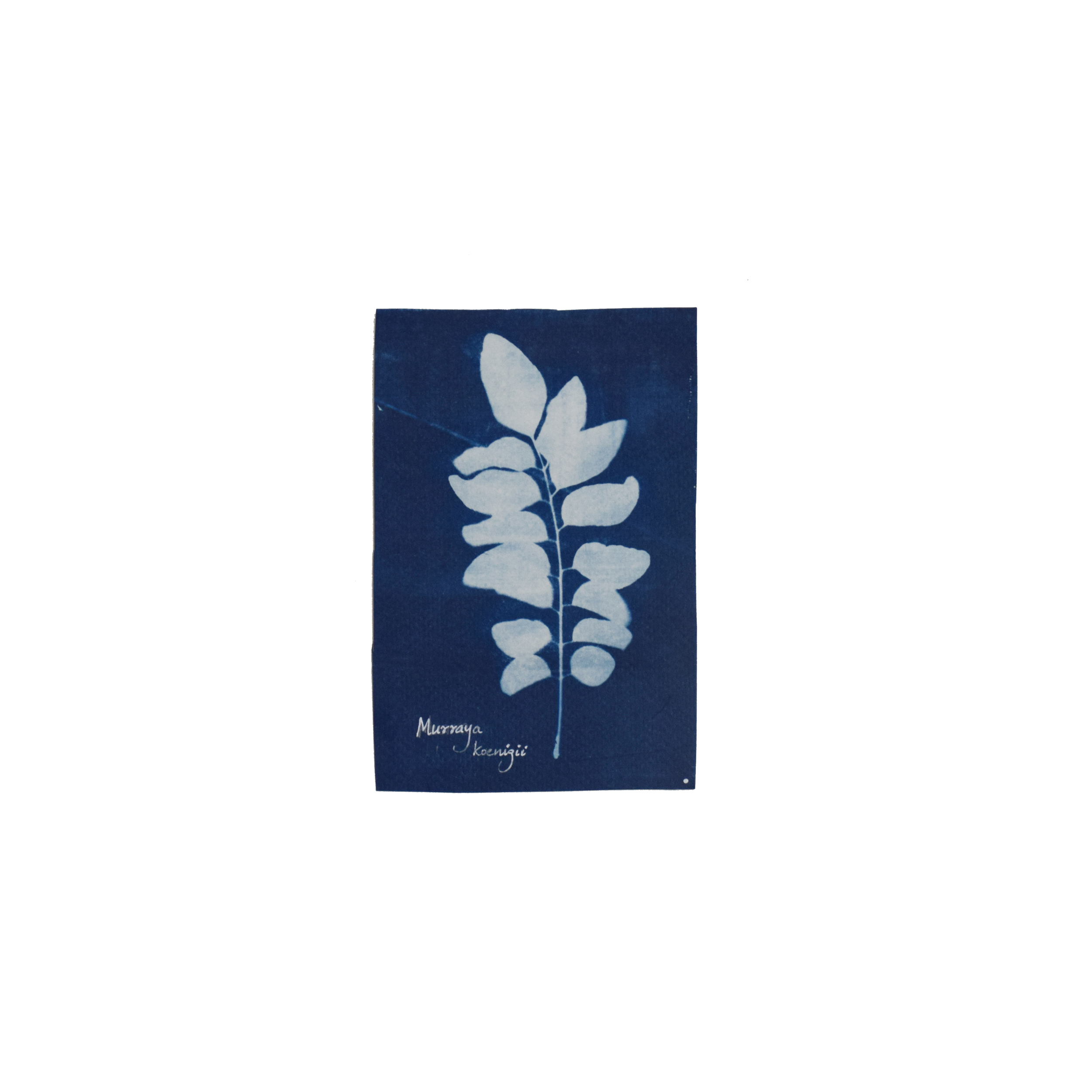
Murraya koenigii (Curry tree) // Leaves compound, imparipinnate, alternate, ovate to lanceolate
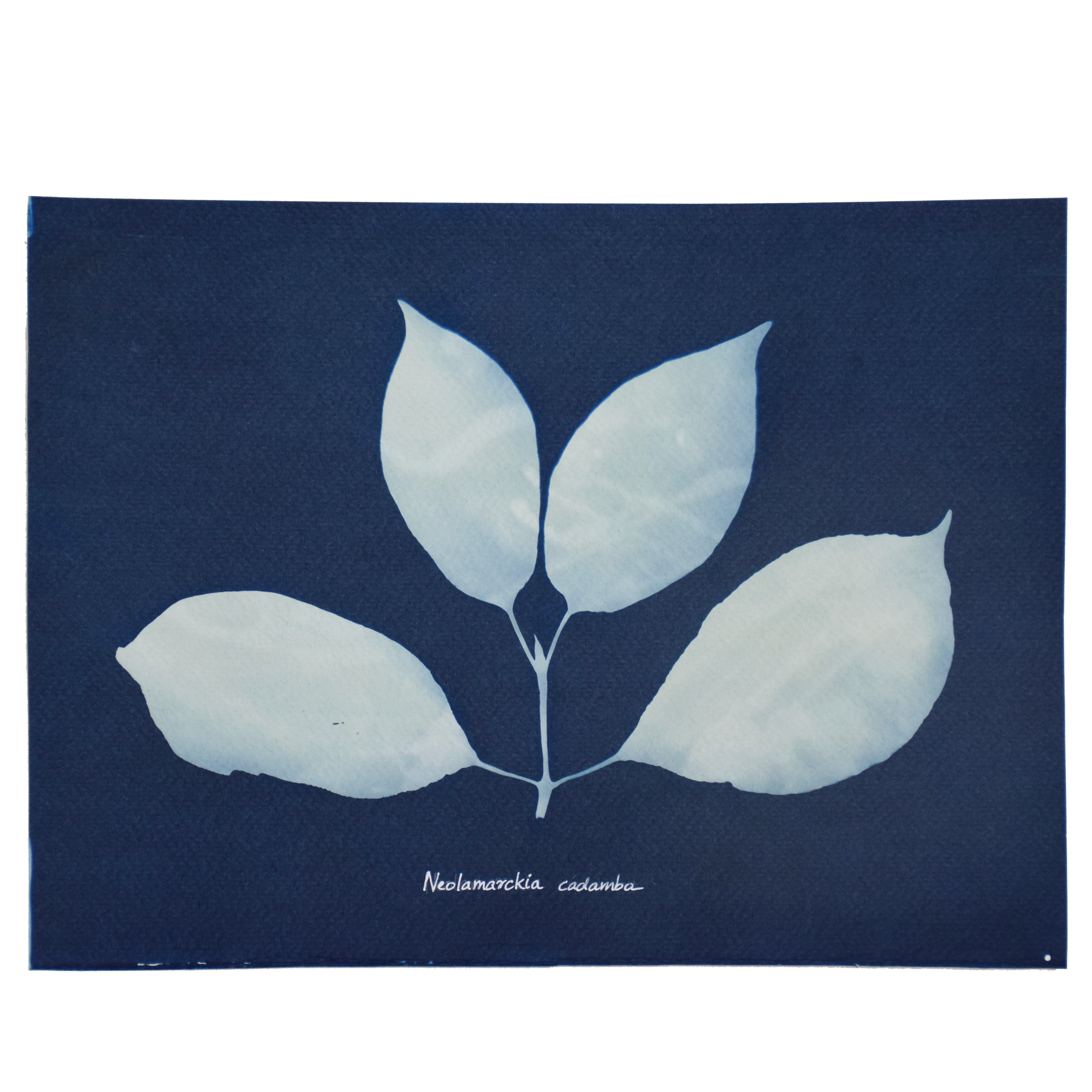
Neolamarckia cadamba (Kadam) // Leaves simple, opposite, obovate to oblong, obtuse base, acute to acuminate tip
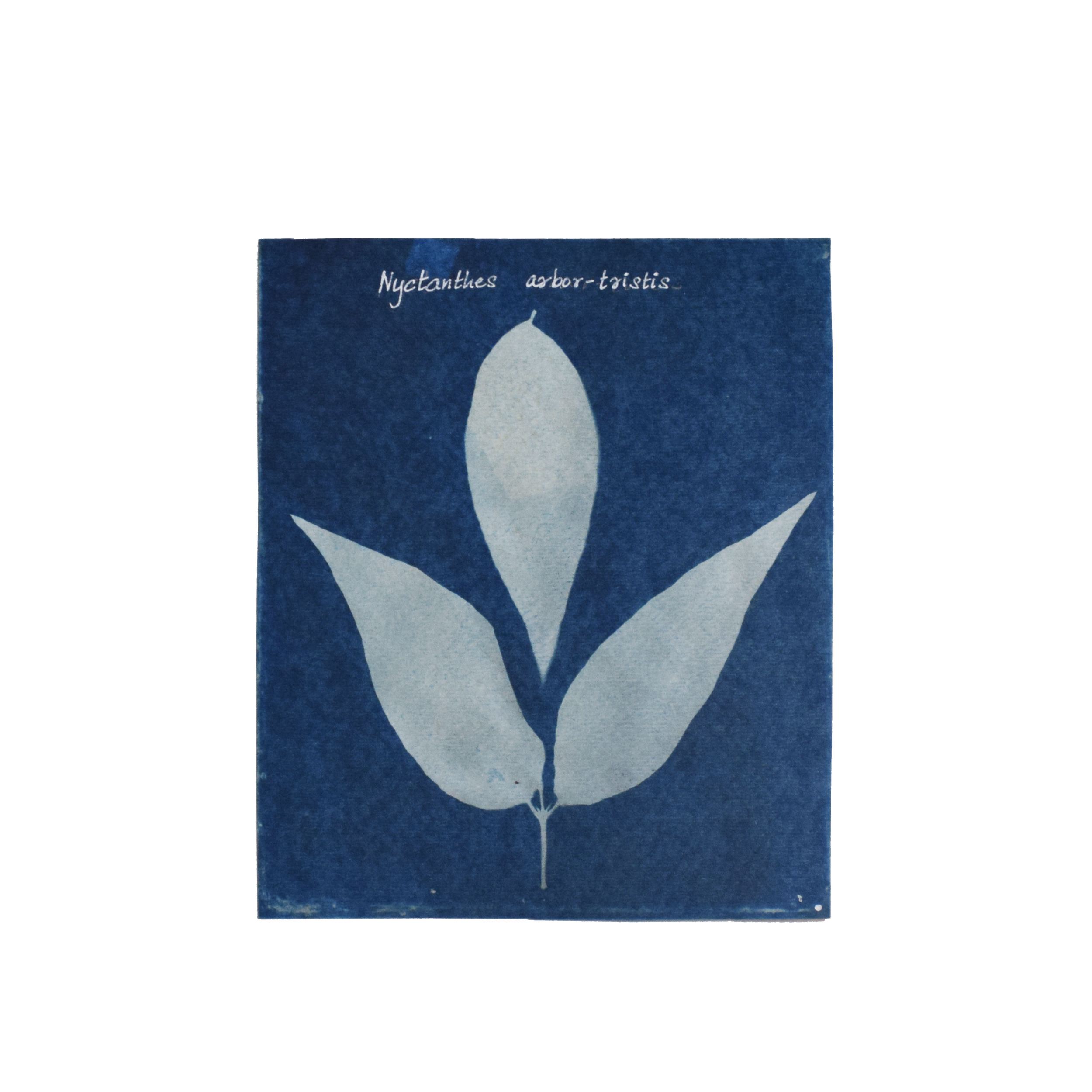
Nyctanthes arbor-tristis (Parijata) // Leaves simple, opposite, decussate, ovate, acute to acuminate tip
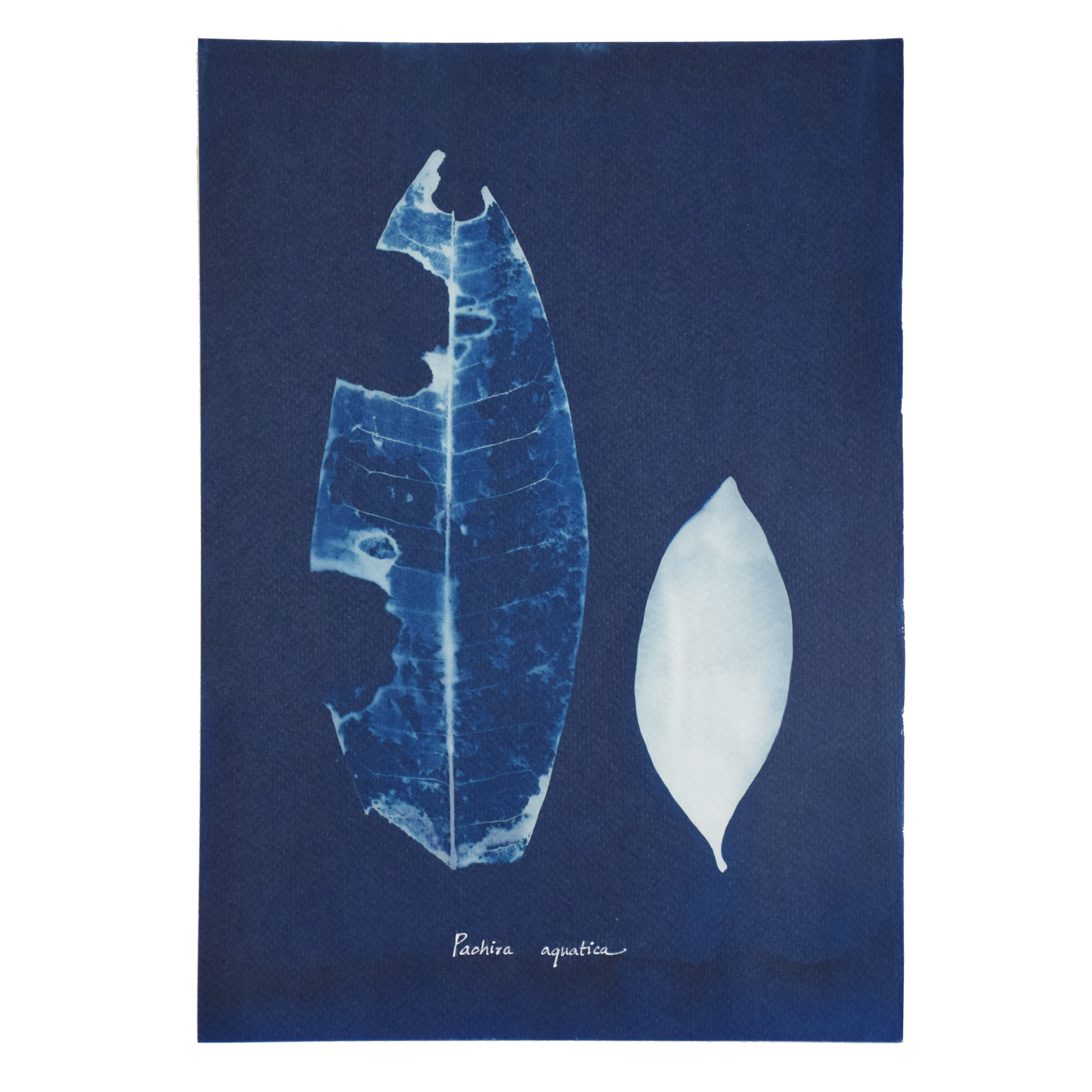
Pachira aquatica (Guiana chestnut) // Leaves palmately compound, alternate, elliptic, oval or lanceolate
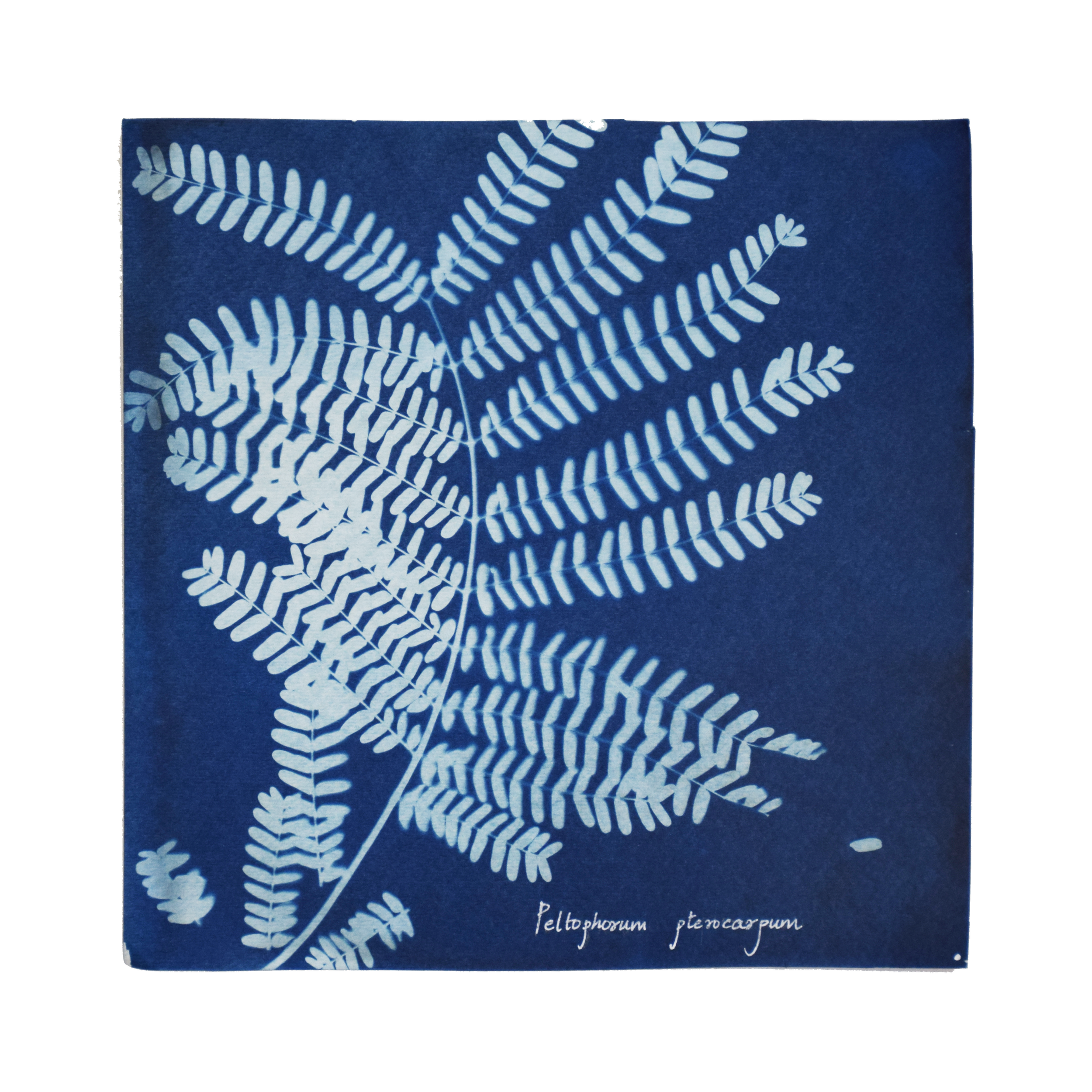
Peltophorum pterocarpum (Copperpod) // Leaves compound, bipinnate, alternate, oblong or elliptic-oblong, rounded or emarginate apex, oblique base
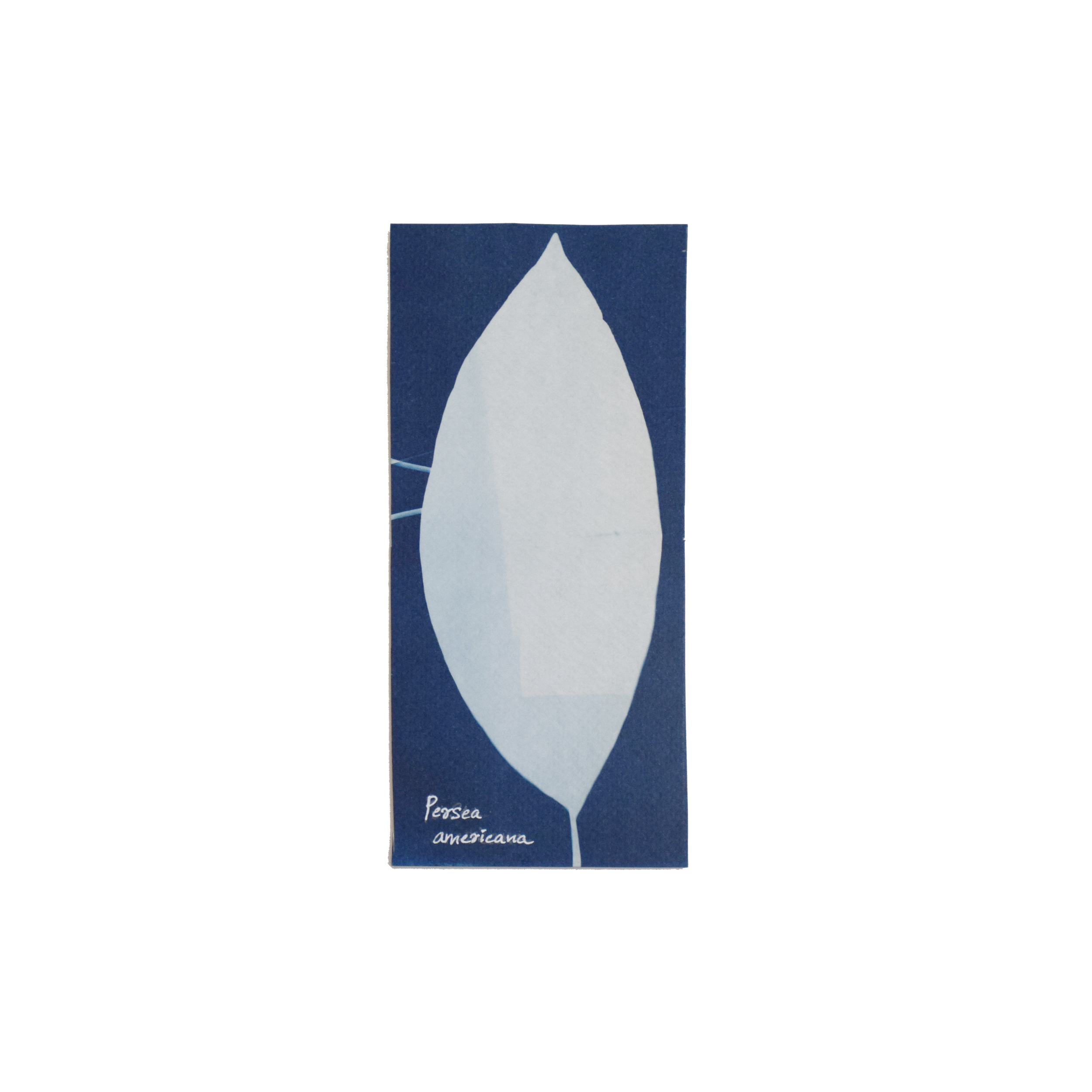
Persea americana (Avocado) // Leaves simple, alternate or spirally arranged, elliptic or oblong
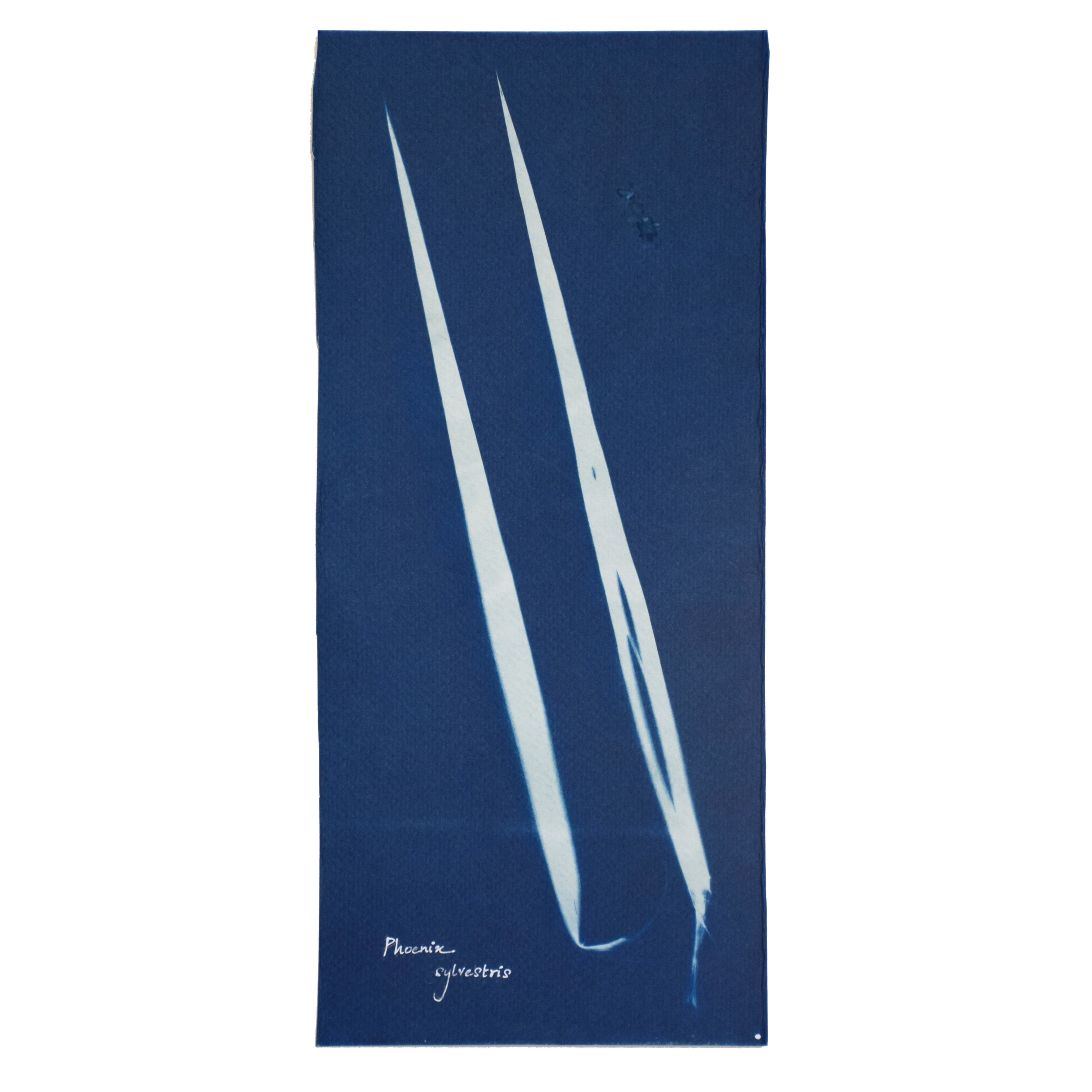
Phoenix sylvestris (Wild date palm) // Leaves compound, pinnate, linear-lanceolate with spiny points
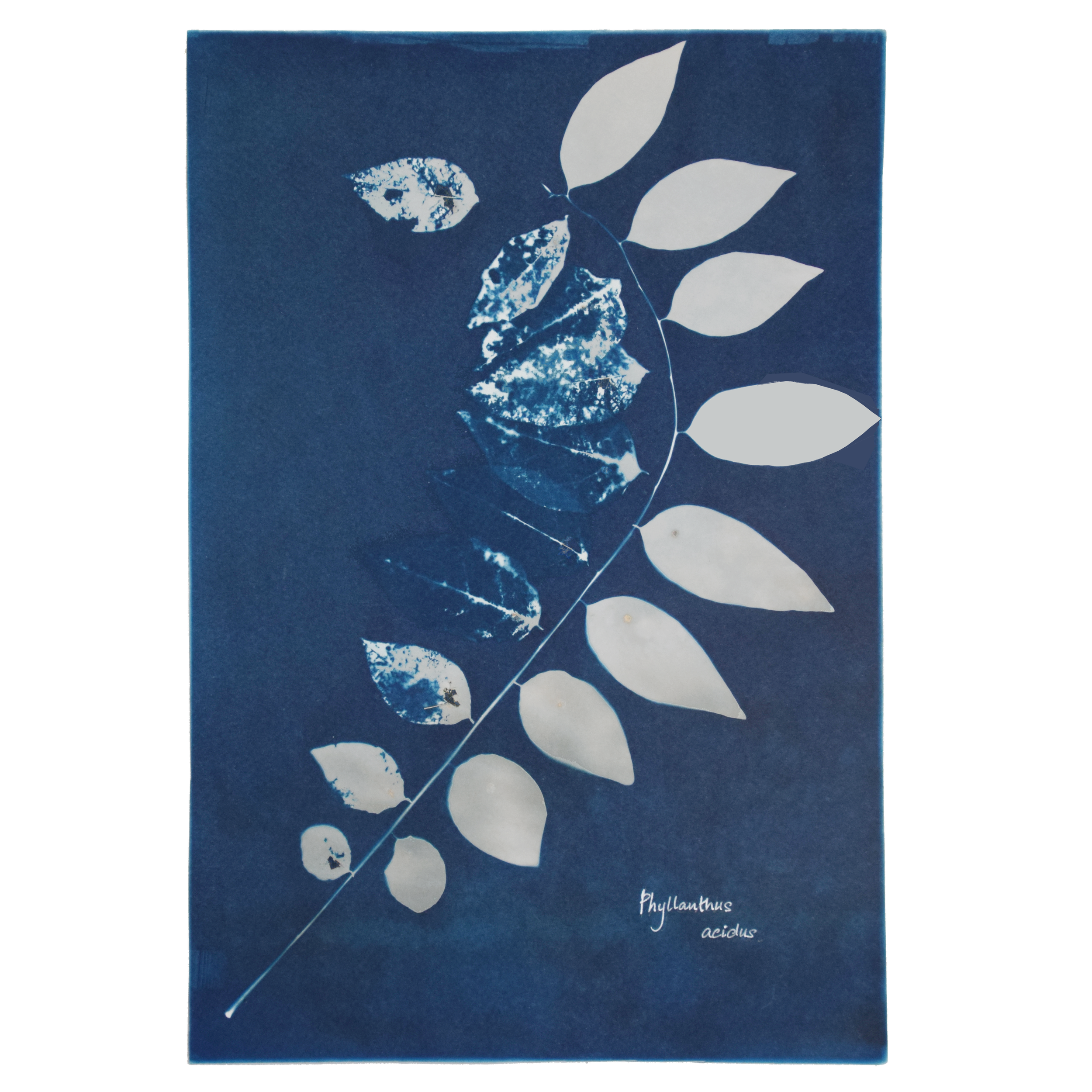
Phyllanthus acidus (Star gooseberry) // Leaves simple, alternate, distichous, ovate or lanceolate with rounded base and acute apex; displays phyllanthoid branching
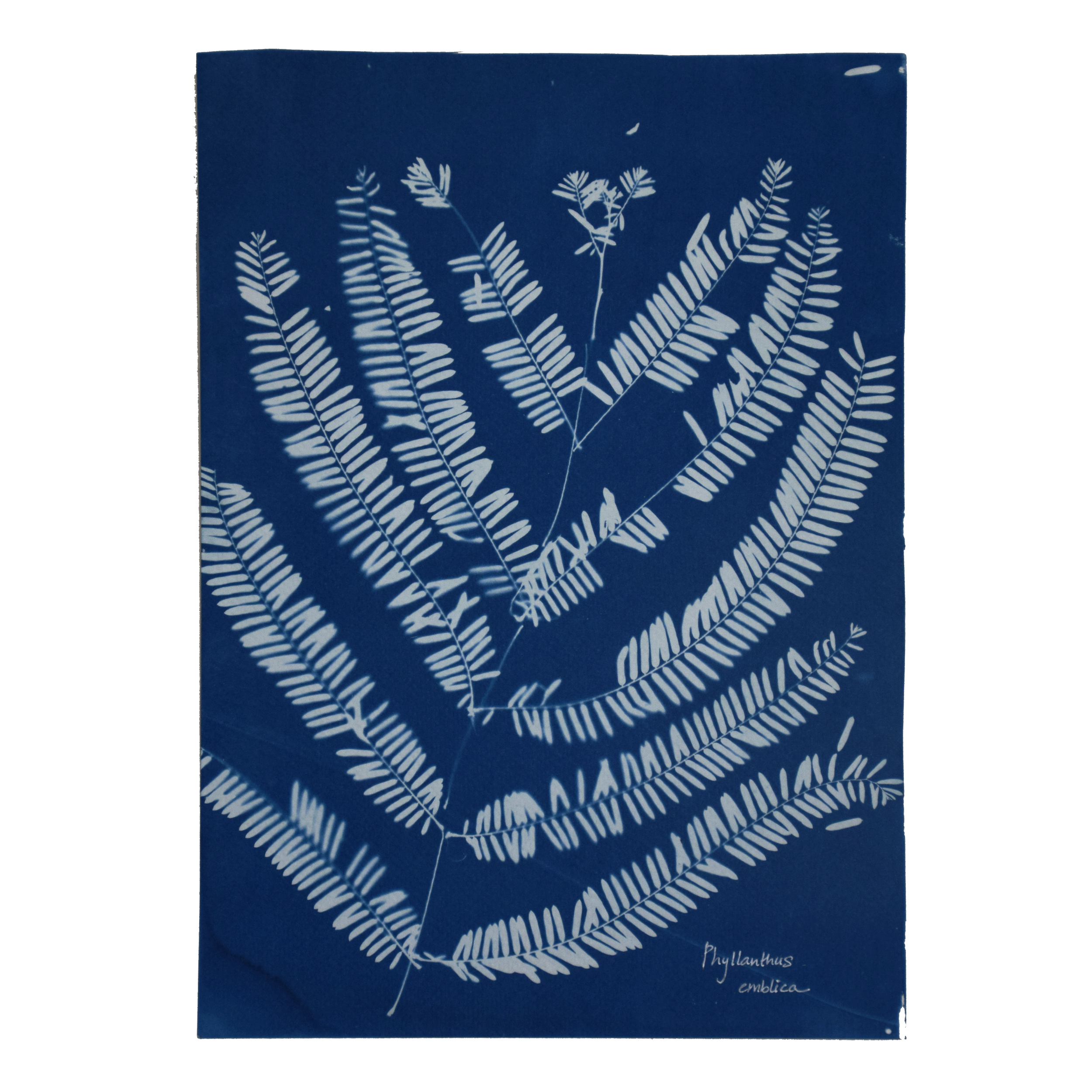
Phyllanthus emblica (Amla) // Leaves simple, alternate, distichous (appears pinnately compound), oblong or linear-oblong
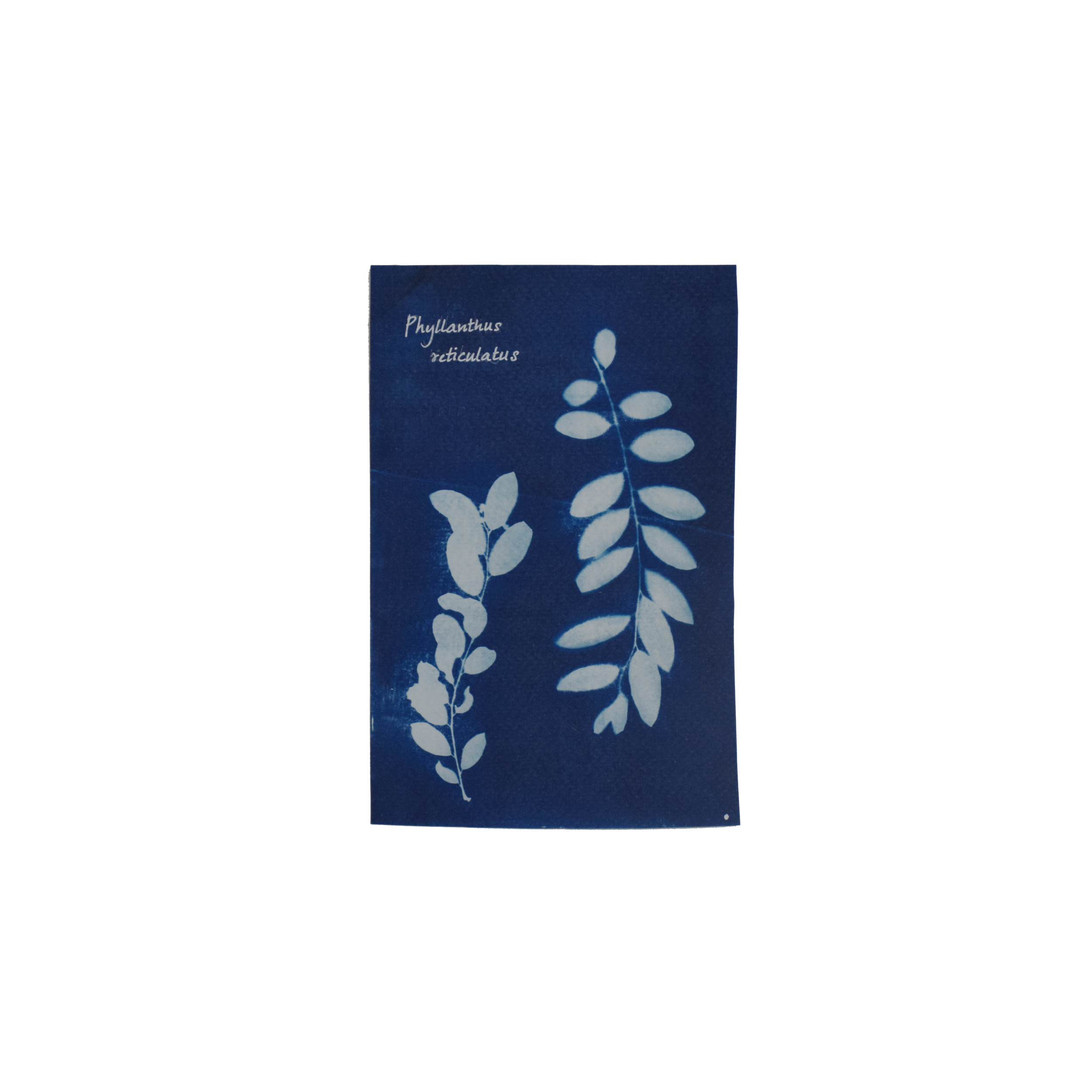
Phyllanthus reticulatus (Black-honey shrub) // Leaves simple, alternate, ovate-oblong to elliptic
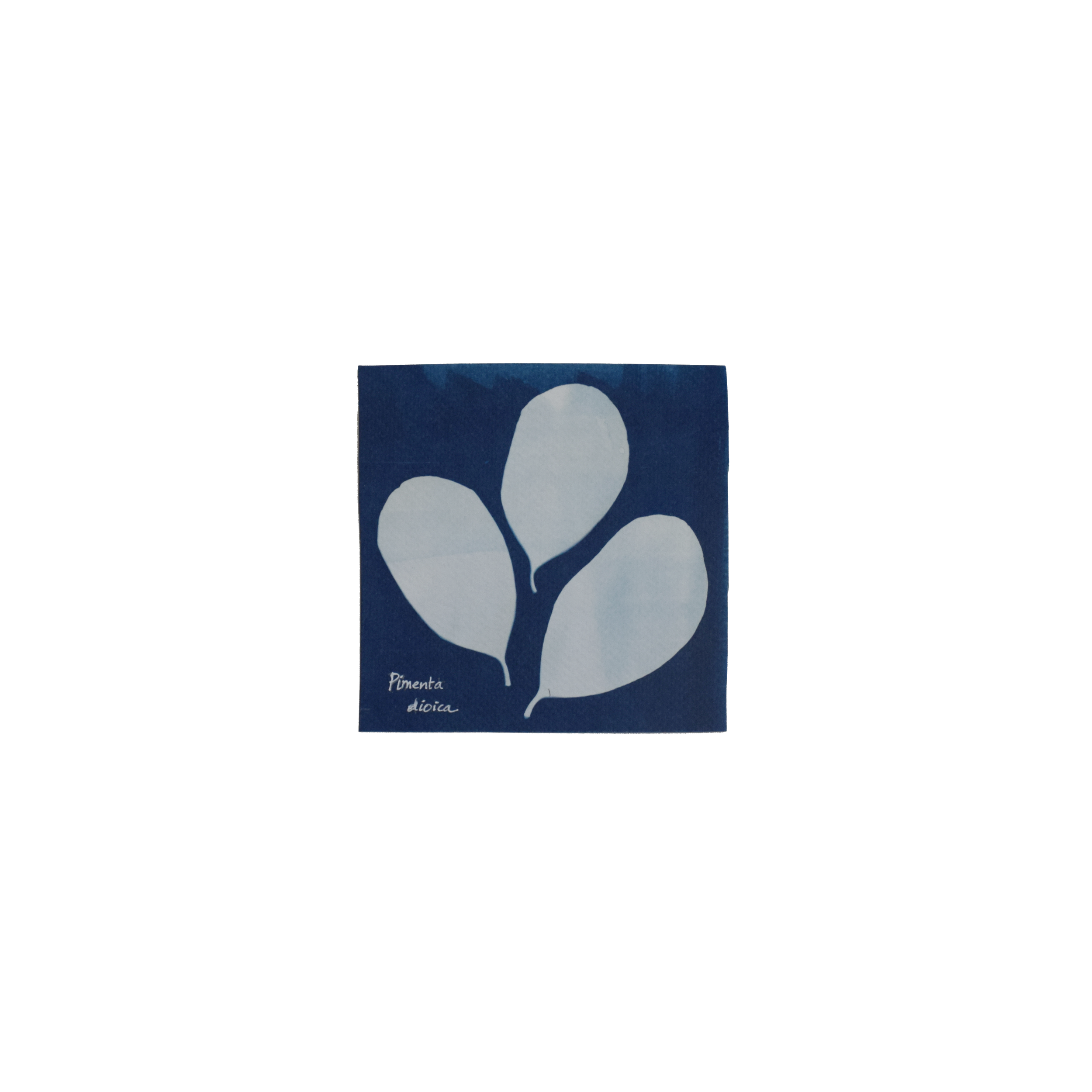
Pimenta dioica (Allspice) // Leaves simple, opposite, oval / elliptic to oblong / lanceolate
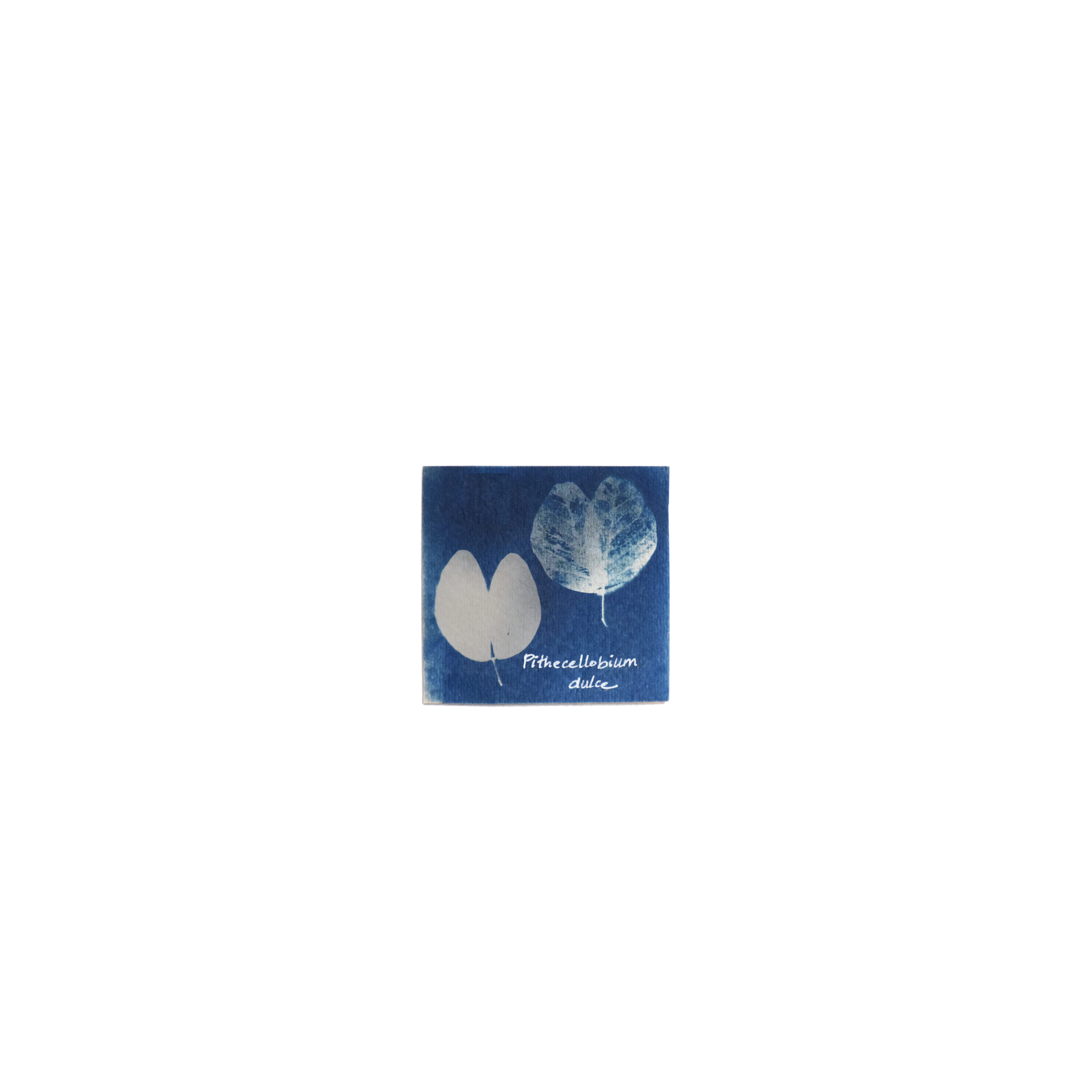
Pithecellobium dulce (Madras thorn) // Leaves compound, bipinnate, alternate, elliptic to obovate-elliptic or ovate-oblong
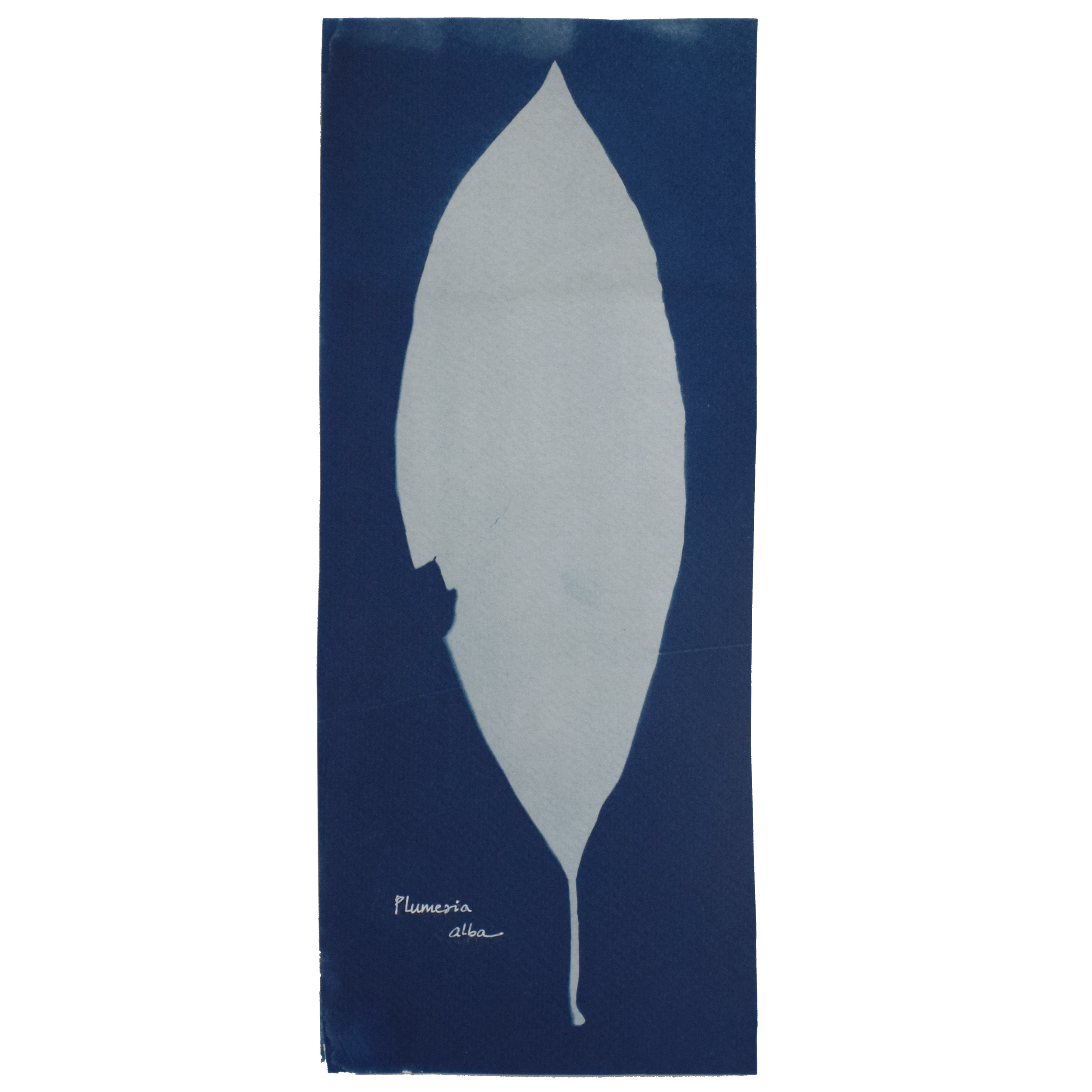
Plumeria alba (Frangipani) // Leaves simple, alternate, oblong to elliptical and obovate, acute apex, acute base
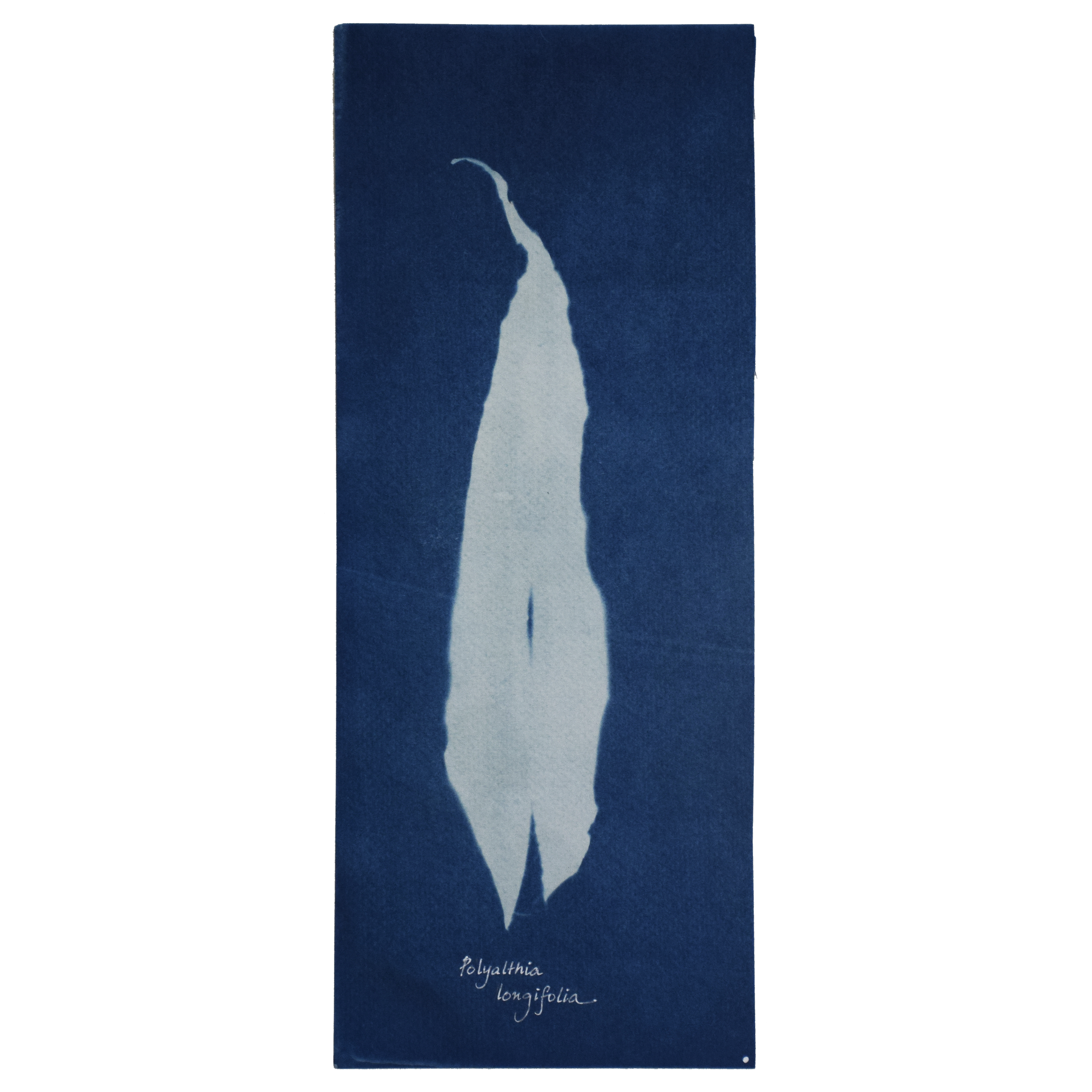
Polyalthia longifolia (False ashoka) // Leaves simple, alternate, narrow-lanceolate, wavy margin, long acuminate apex
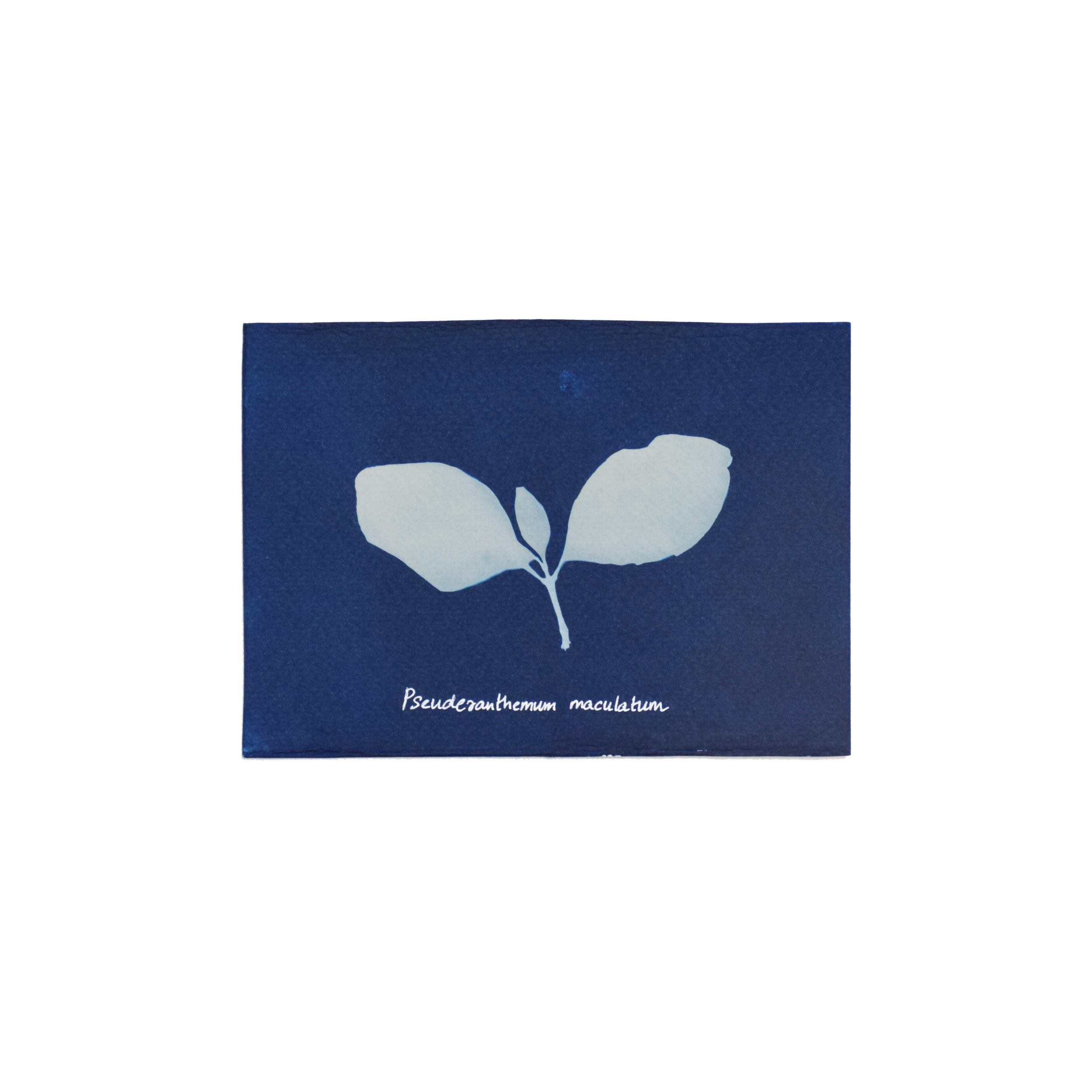
Pseuderanthemum maculatum (Yellow-vein eranthemum) // Leaves simple, opposite, narrowly ovate to elliptic
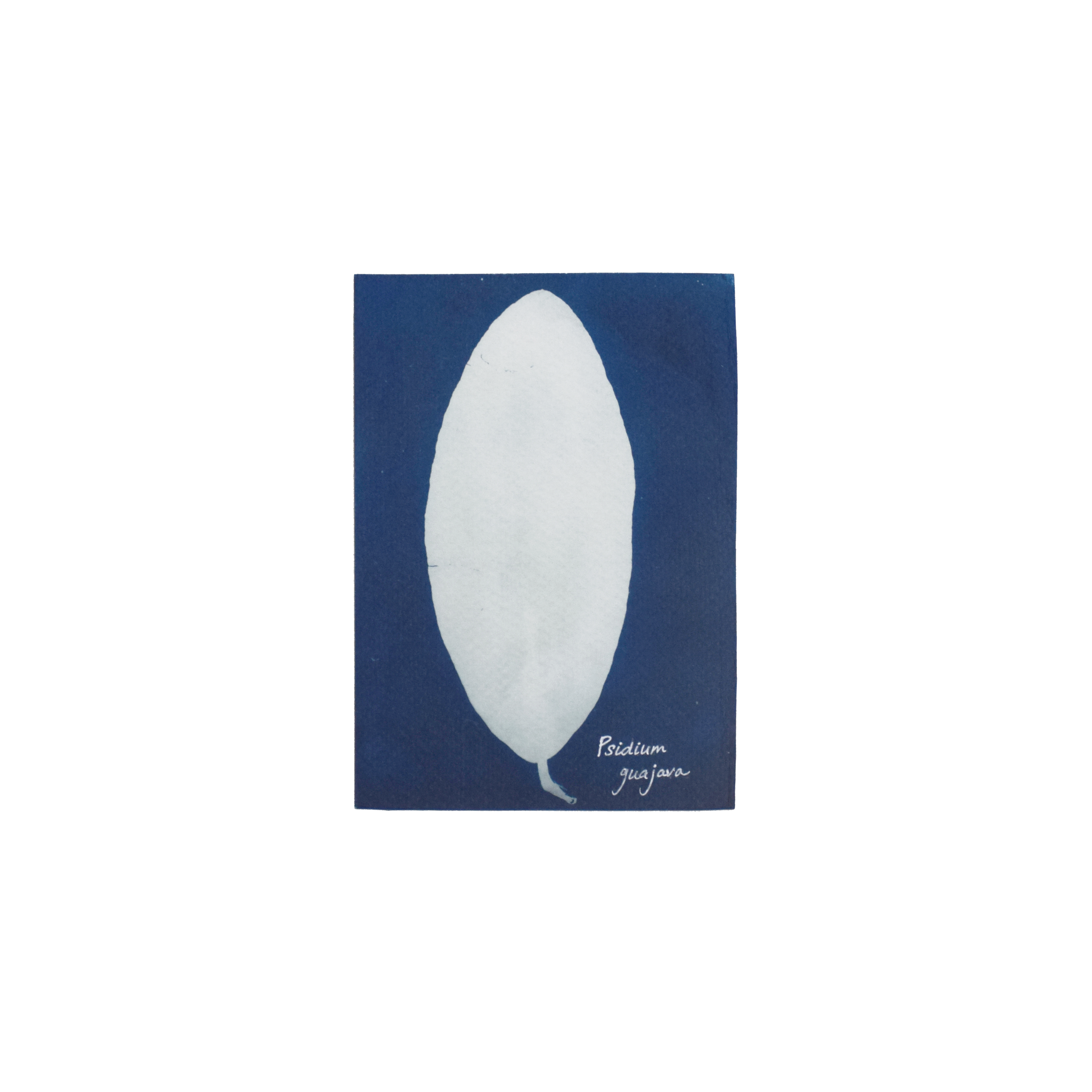
Psidium guajava (Guava) // Leaves simple, opposite, decussate, oval to oblong-elliptic
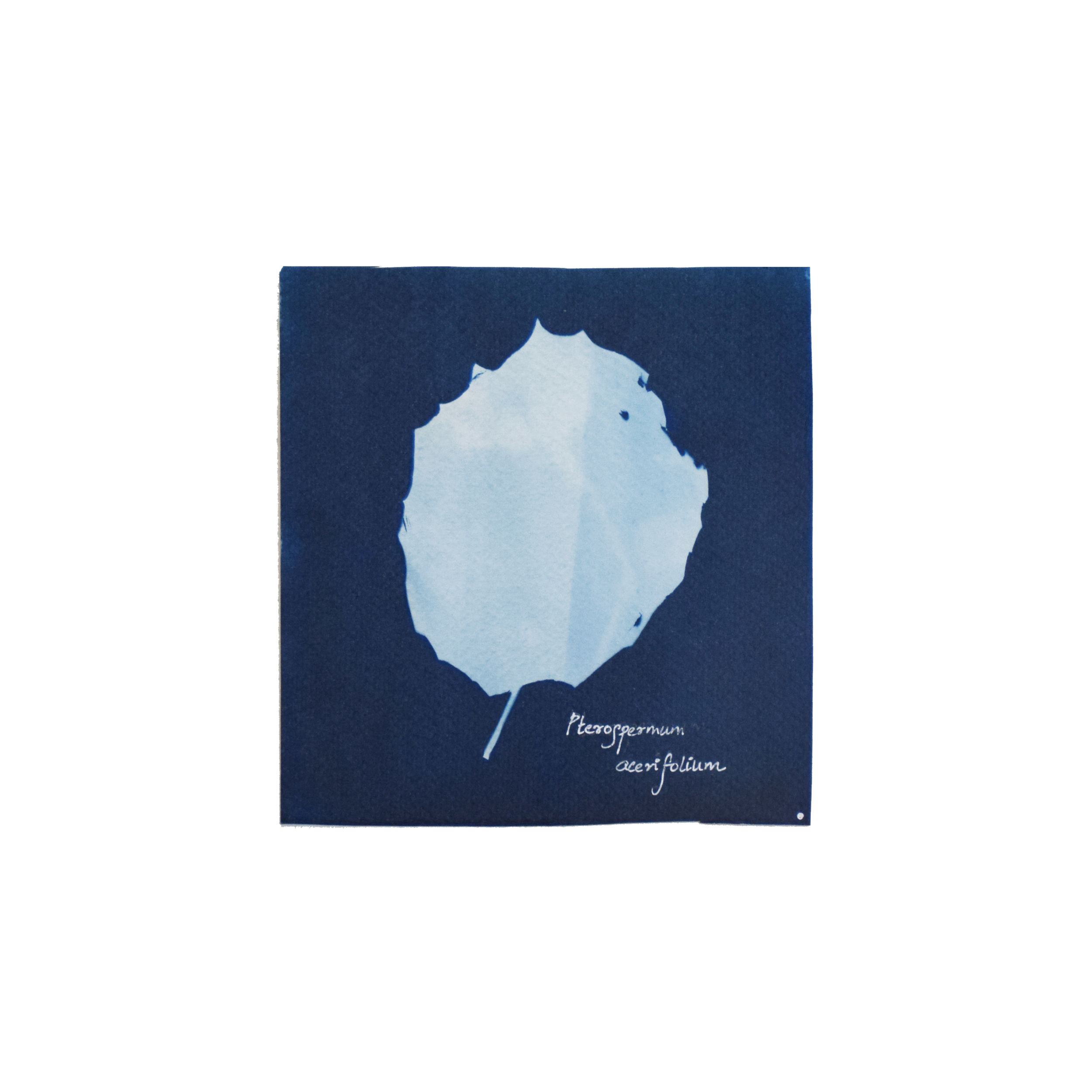
Pterospermum acerifolium (Kanak champa) // Leaves simple, alternate, polymorphous (oblong, broadly obovate, ovate, or orbicular), irregularly lobed, maple-like leaves
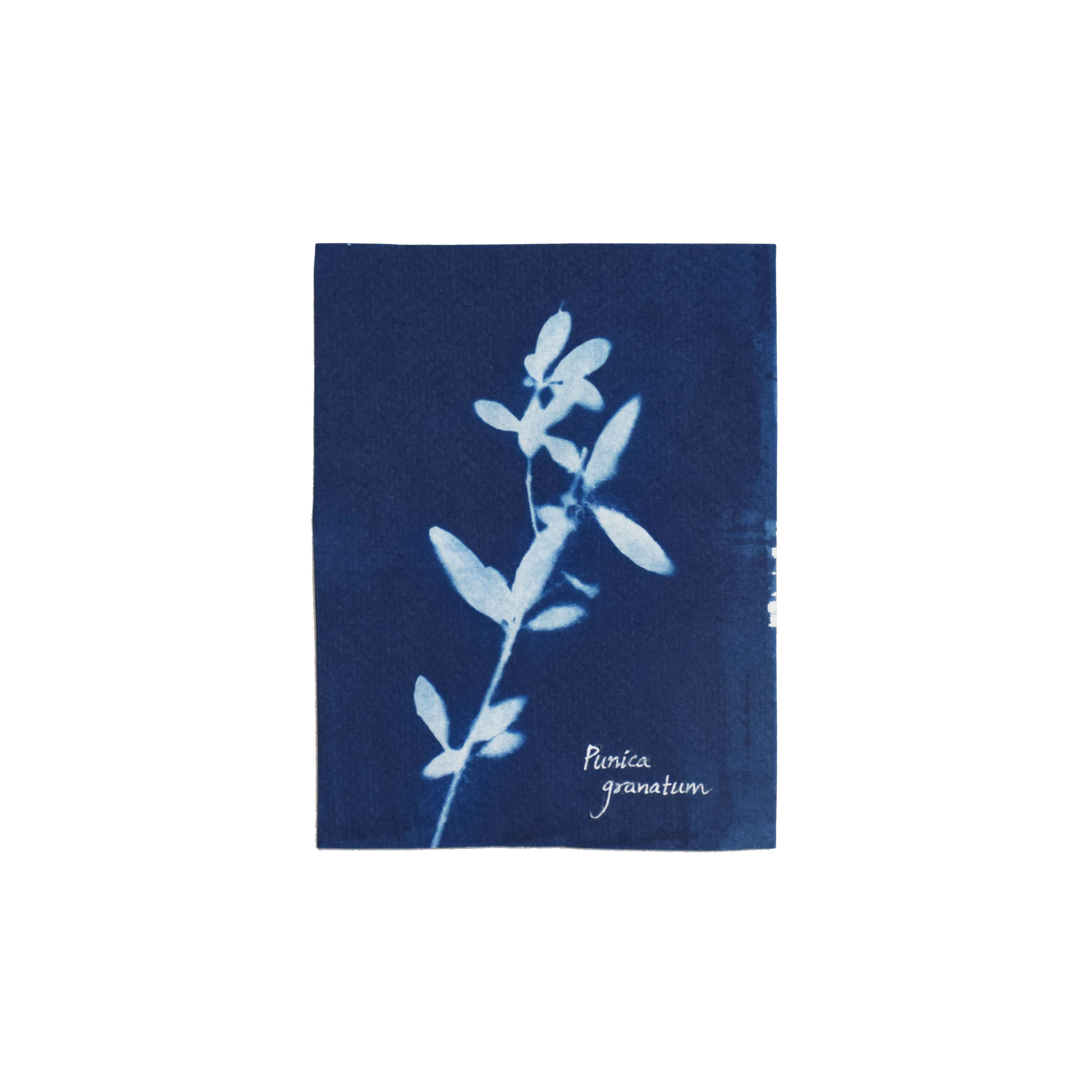
Punica granatum (Pomegranate) // Leaves simple, opposite or subopposite, clustered, narrow oblong to lanceolate or elliptic
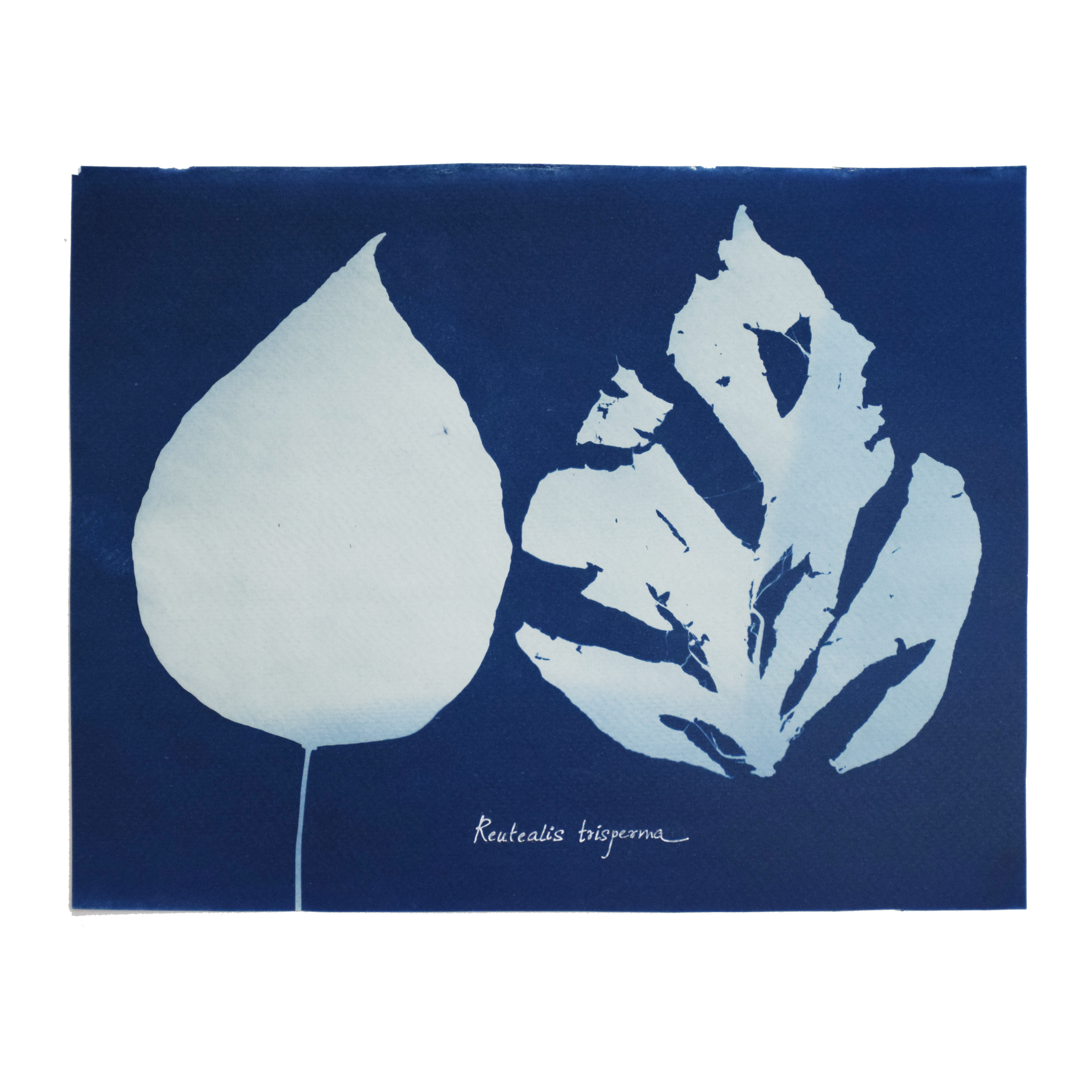
Reutealis trisperma (Phillippine tung tree) // Leaves simple, alternate, ovate to cordate, long petiole
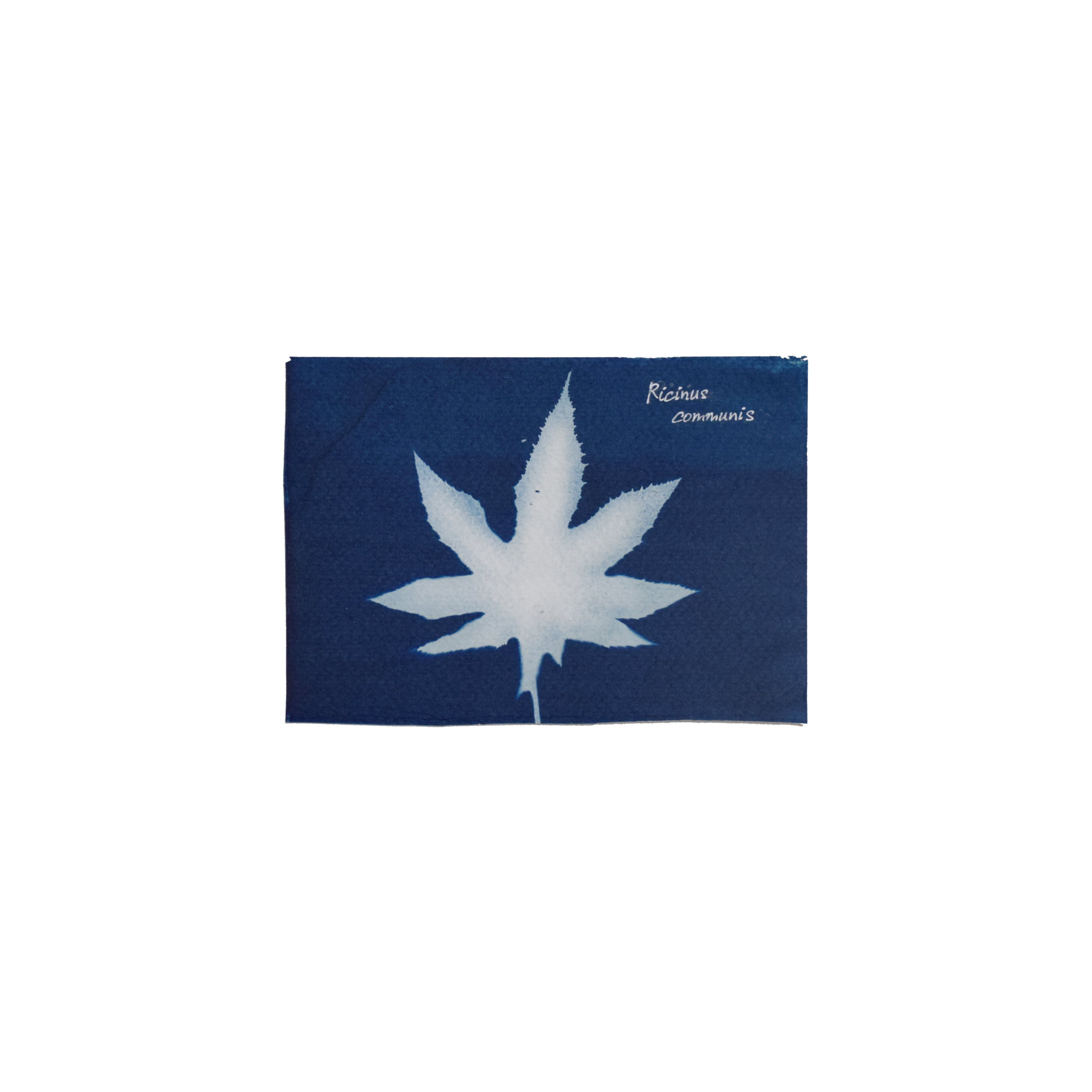
Ricinus communis (Castor) // Leaves simple, alternate, palmate with deep lobes, serrated, long petiole
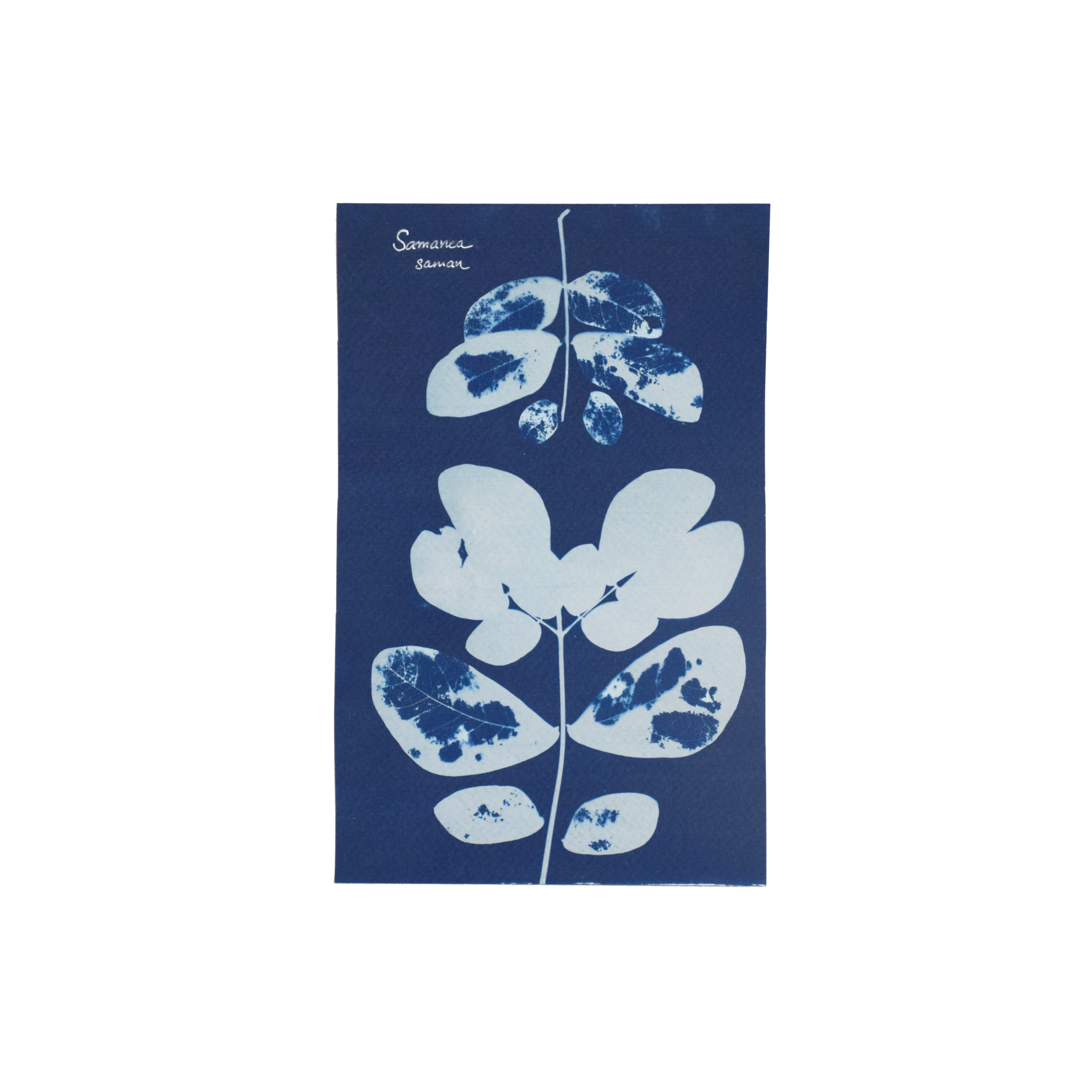
Samanea saman (Raintree) // Leaves compound, bipinnate, alternate, rhomboid or obliquely ovate leaflets
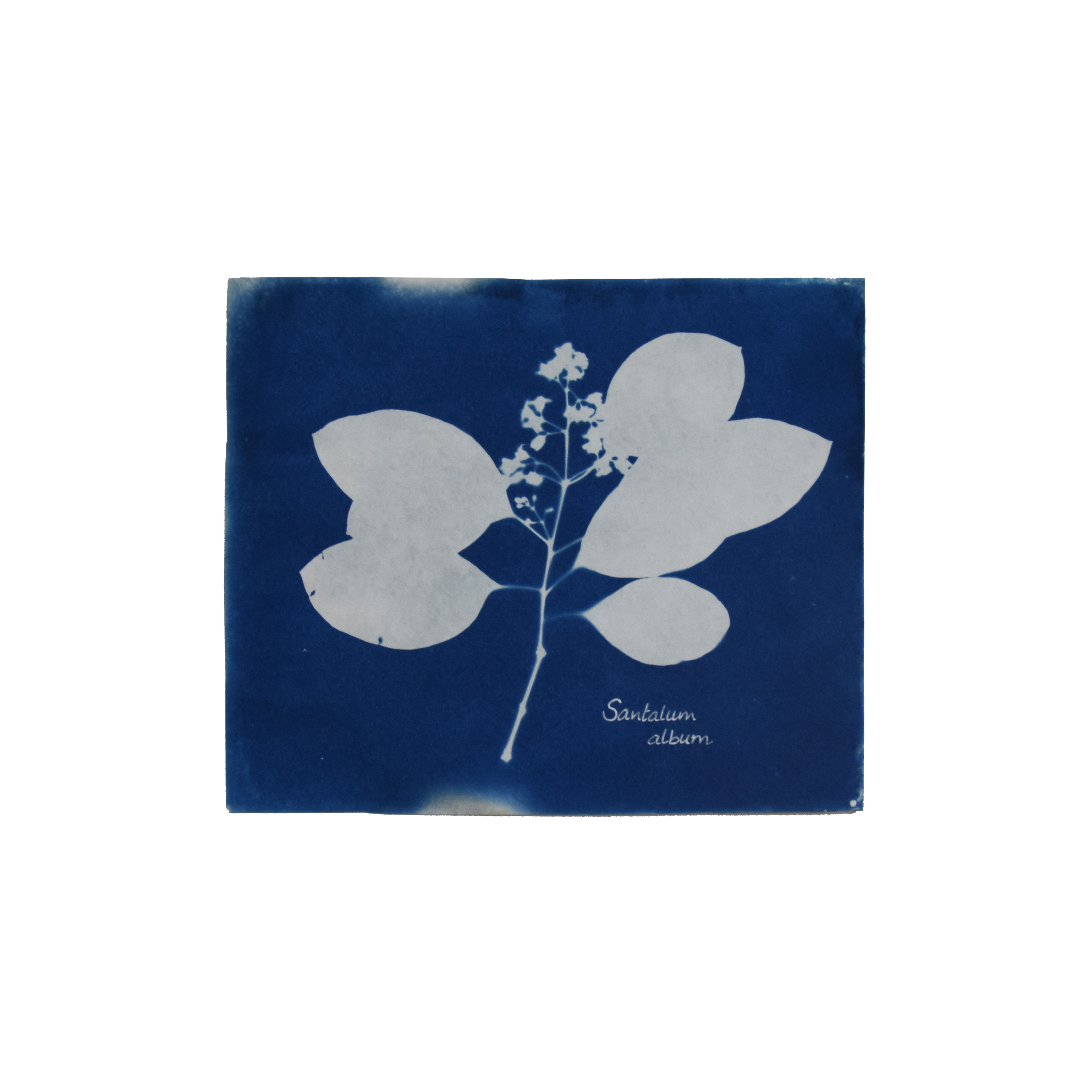
Santalum album (Sandalwood) // Leaves simple, opposite, ovate to lanceolate
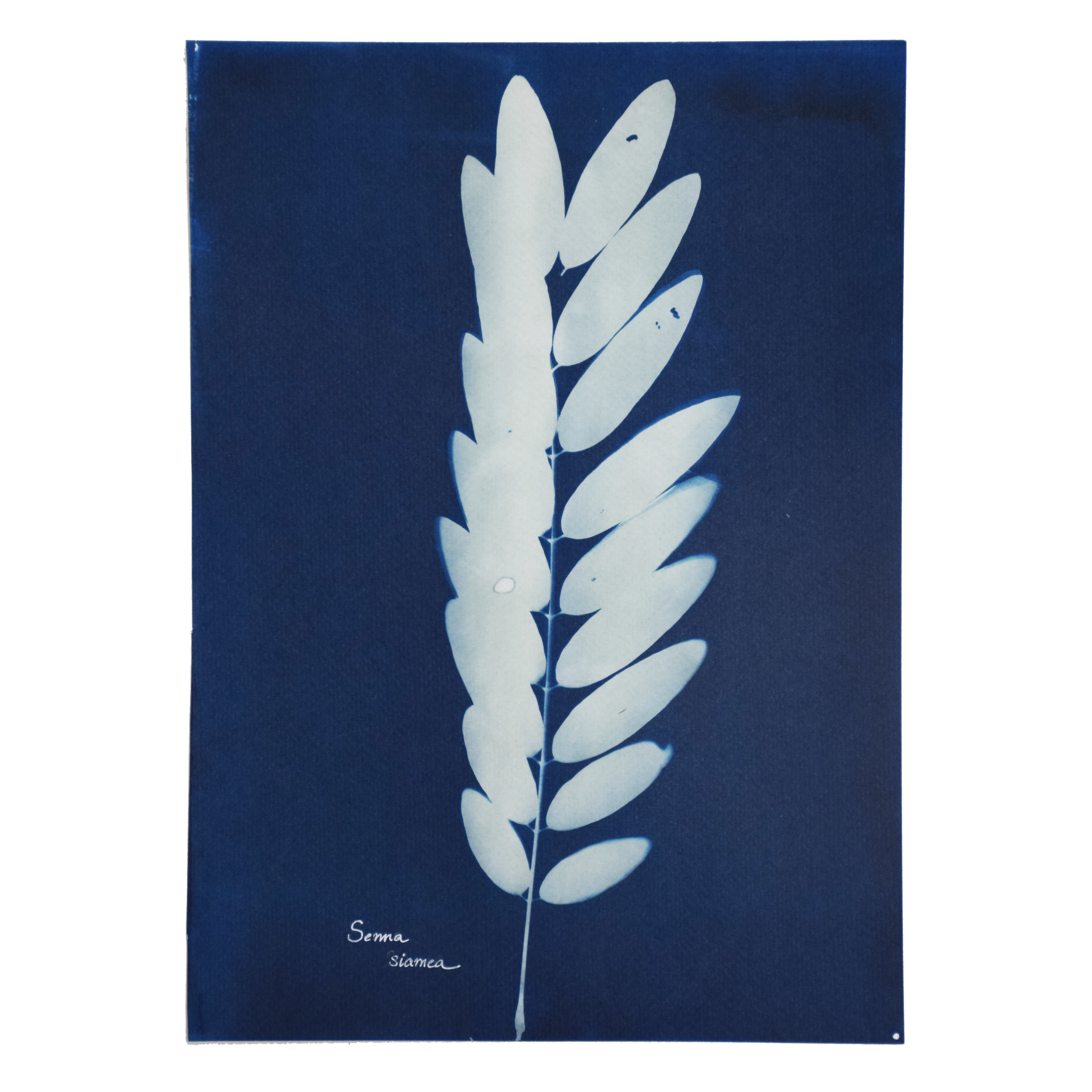
Senna siamea (Siamese cassia) // Leaves compound, paripinnate, alternate, oblong or elliptic-oblong leaflets
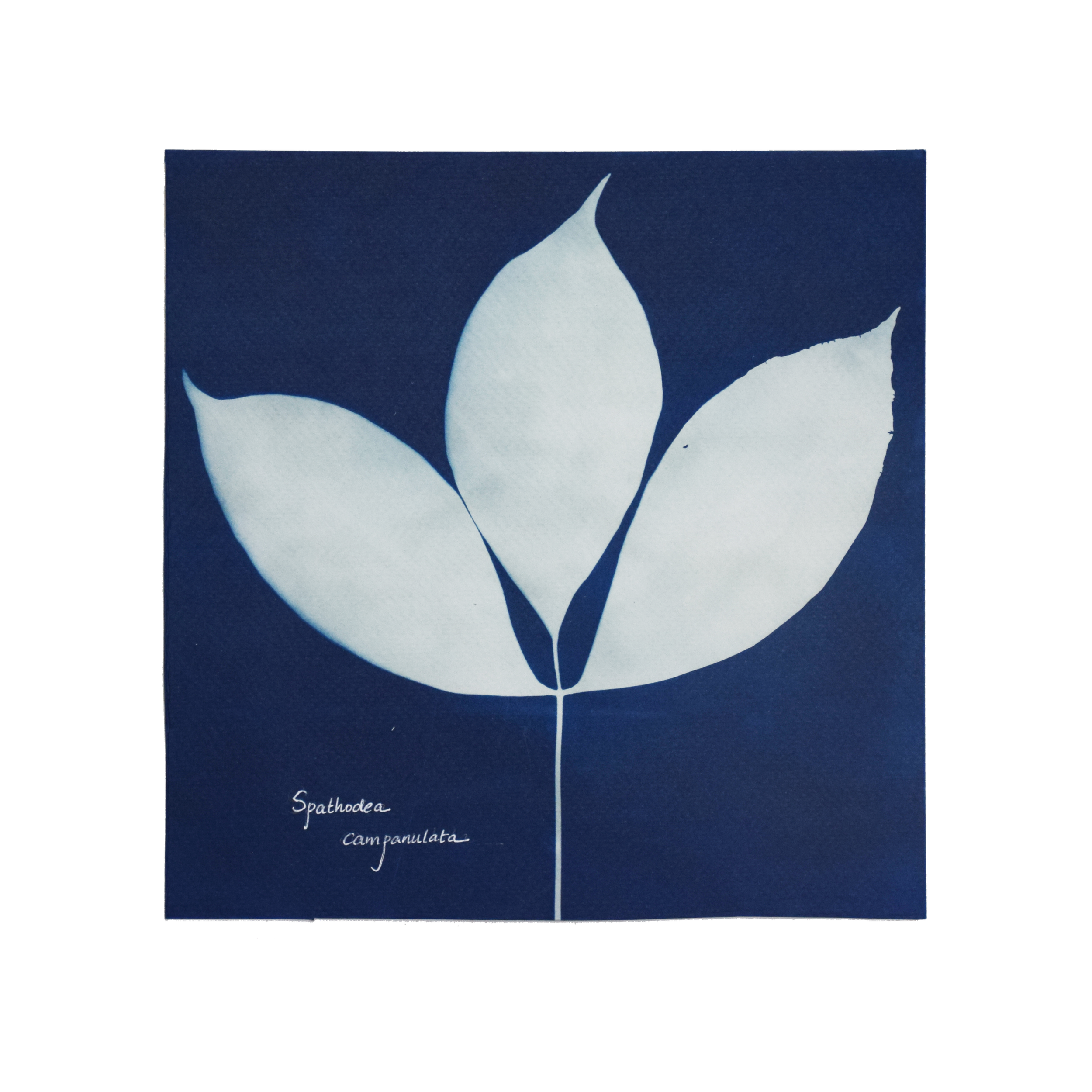
Spathodea campanulata (African tulip) // Leaves compound, imparipinnate, opposite, oval or ovate leaflets with acuminate apex
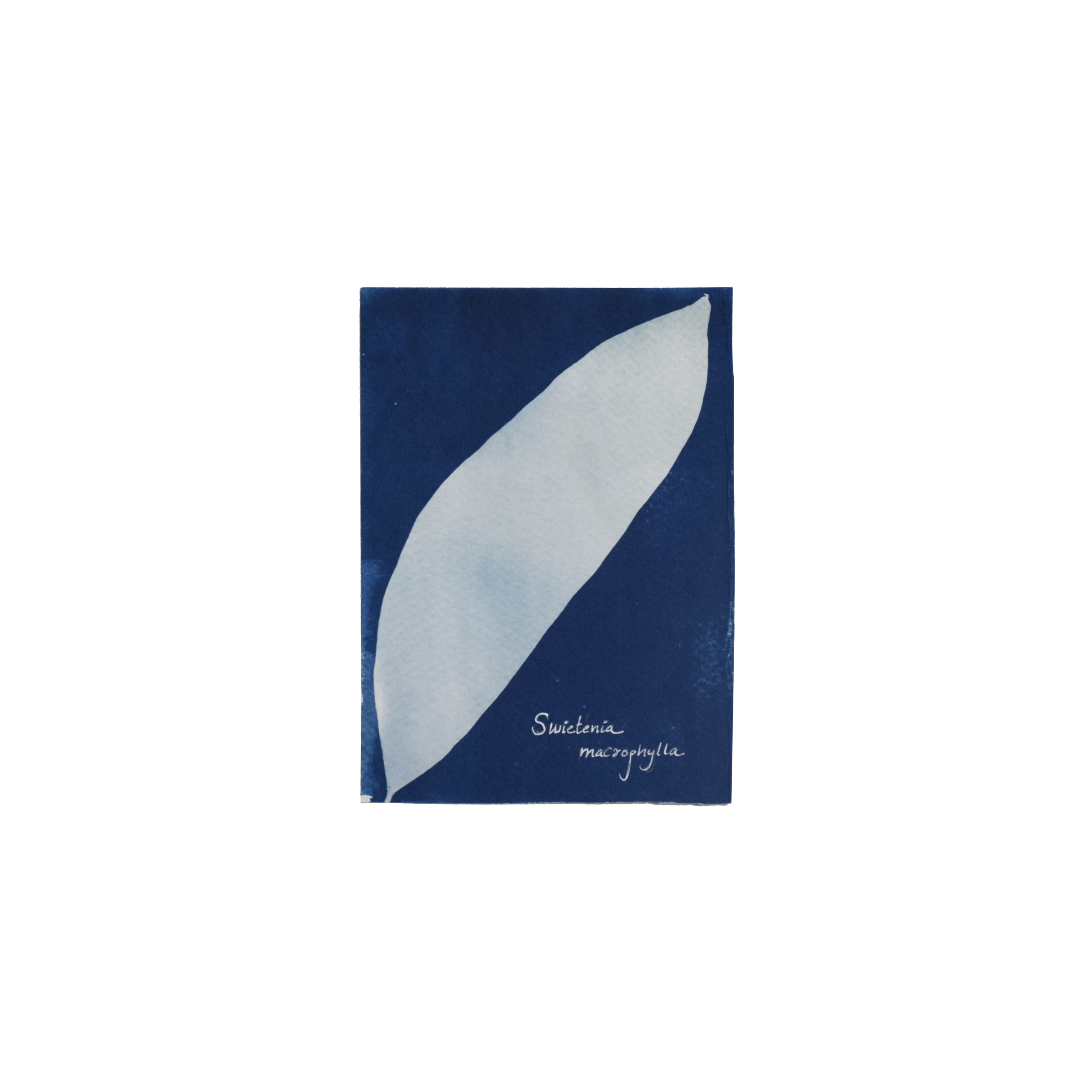
Swietenia macrophylla (Big-leaved mahogany) // Leaves compound, pinnate, alternate, ovate or lanceolate, falcate (sickle-shaped) leaflets with oblique base
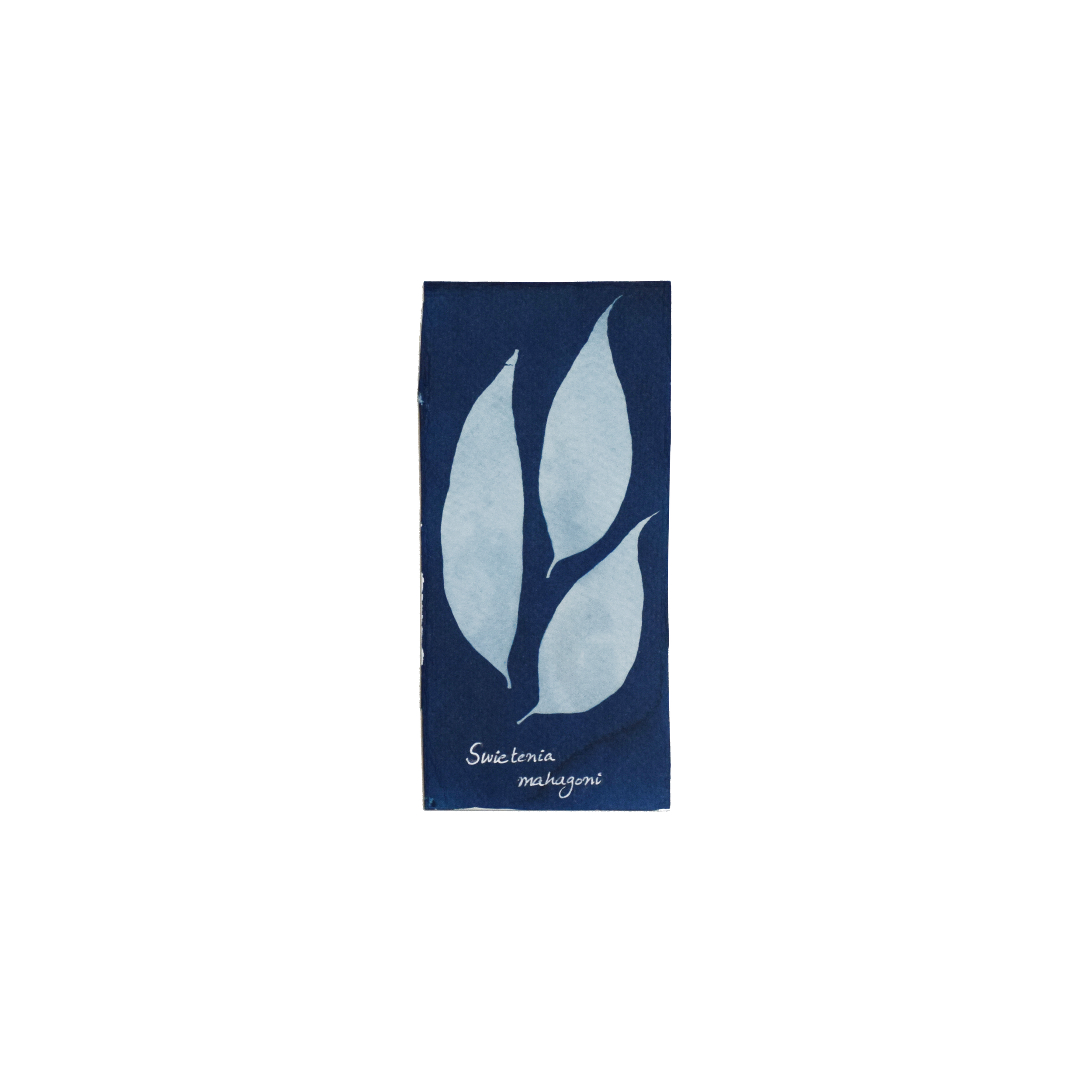
Swietenia mahagoni (Small-leaved mahogany) // Leaves compound, pinnate, alternate, ovate to elliptic or lanceolate, falcate (sickle-shaped) leaflets with oblique base and acuminate tip
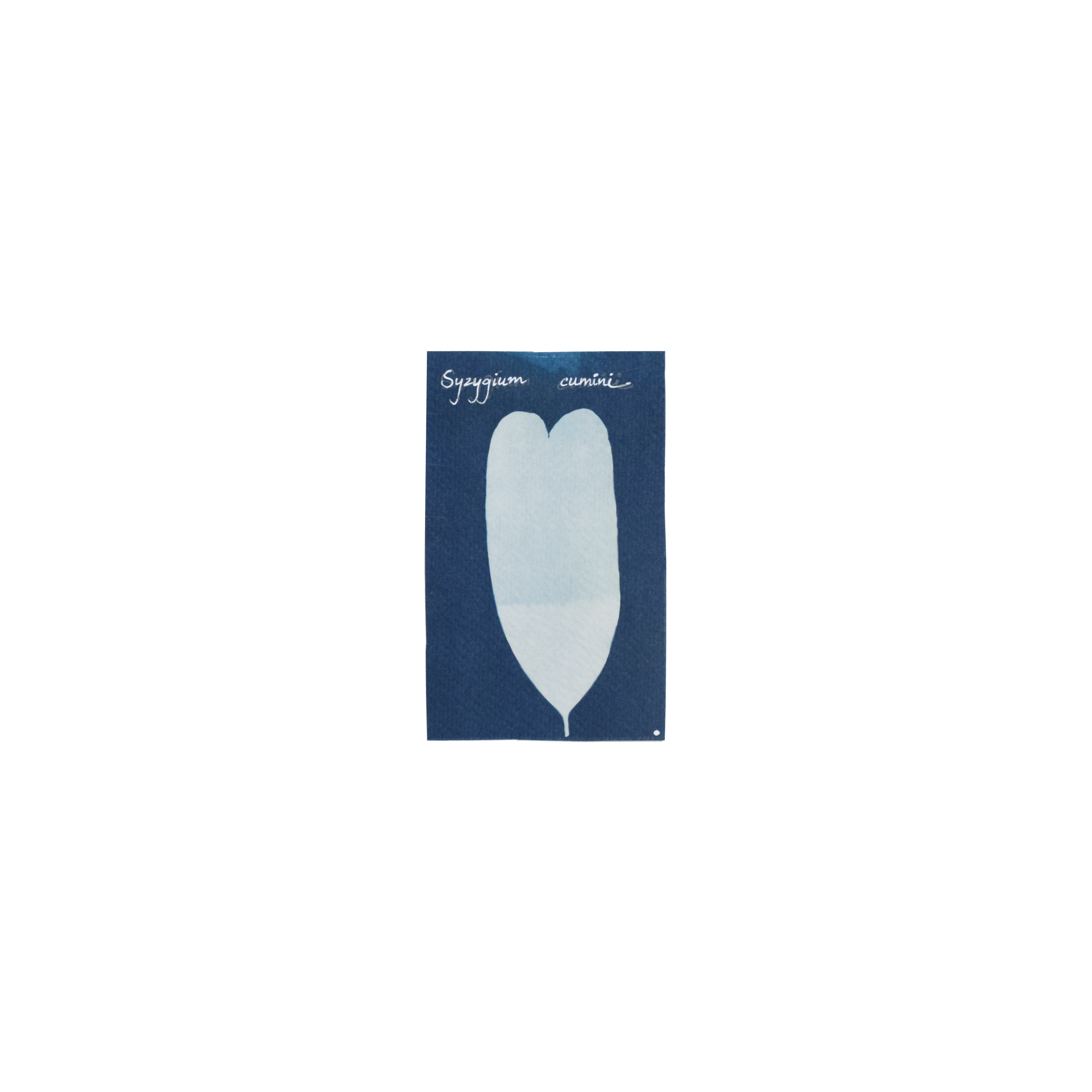
Syzygium cumini (Jamun) // Leaves simple, opposite, elliptic to oblong or oval, acuminate or acute apex, occasionally with an emarginate apex
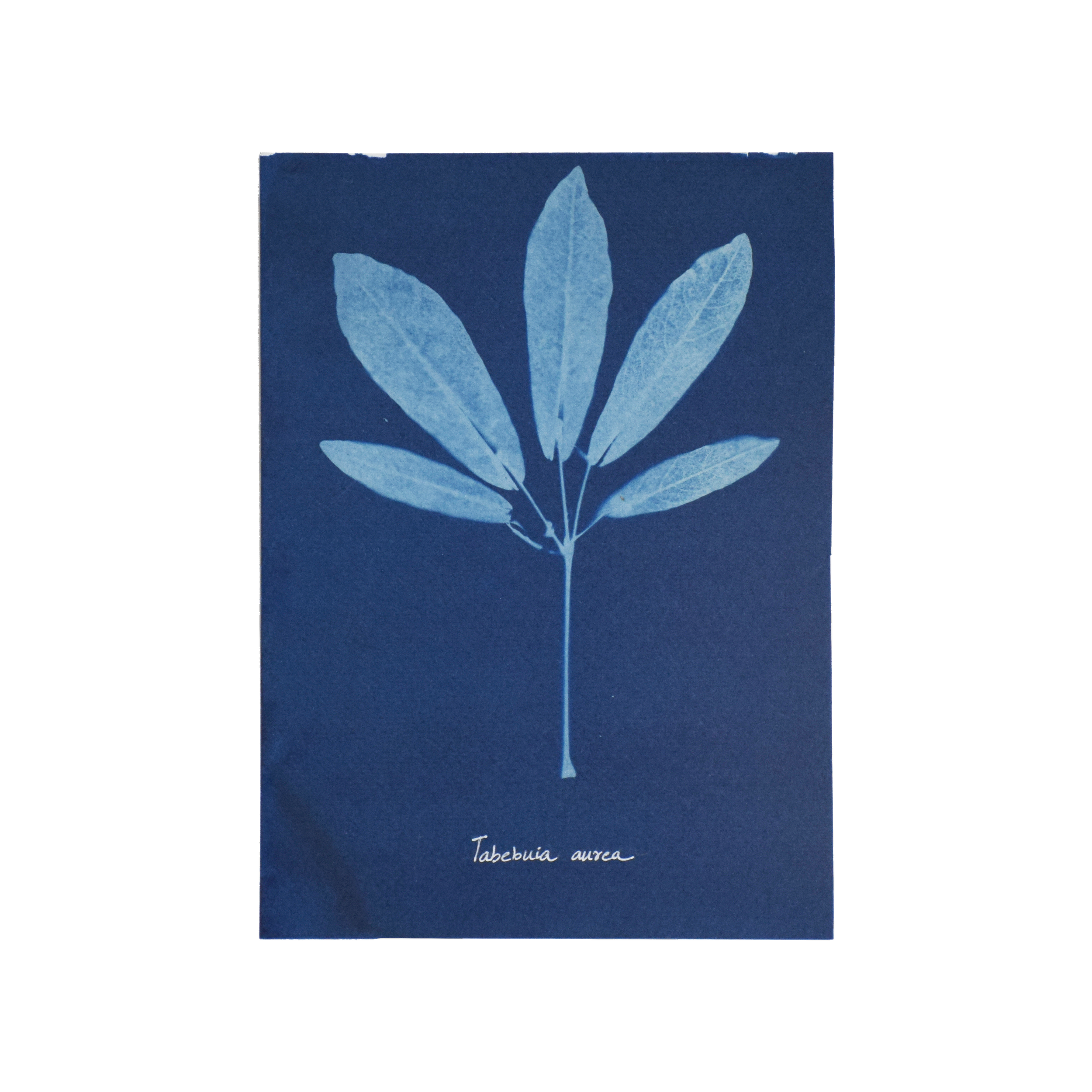
Tabebuia aurea (Tree of gold) // Leaves compound, palmate, opposite, oblong to elliptic or narrowly oblong-lanceolate leaflets with acute apex
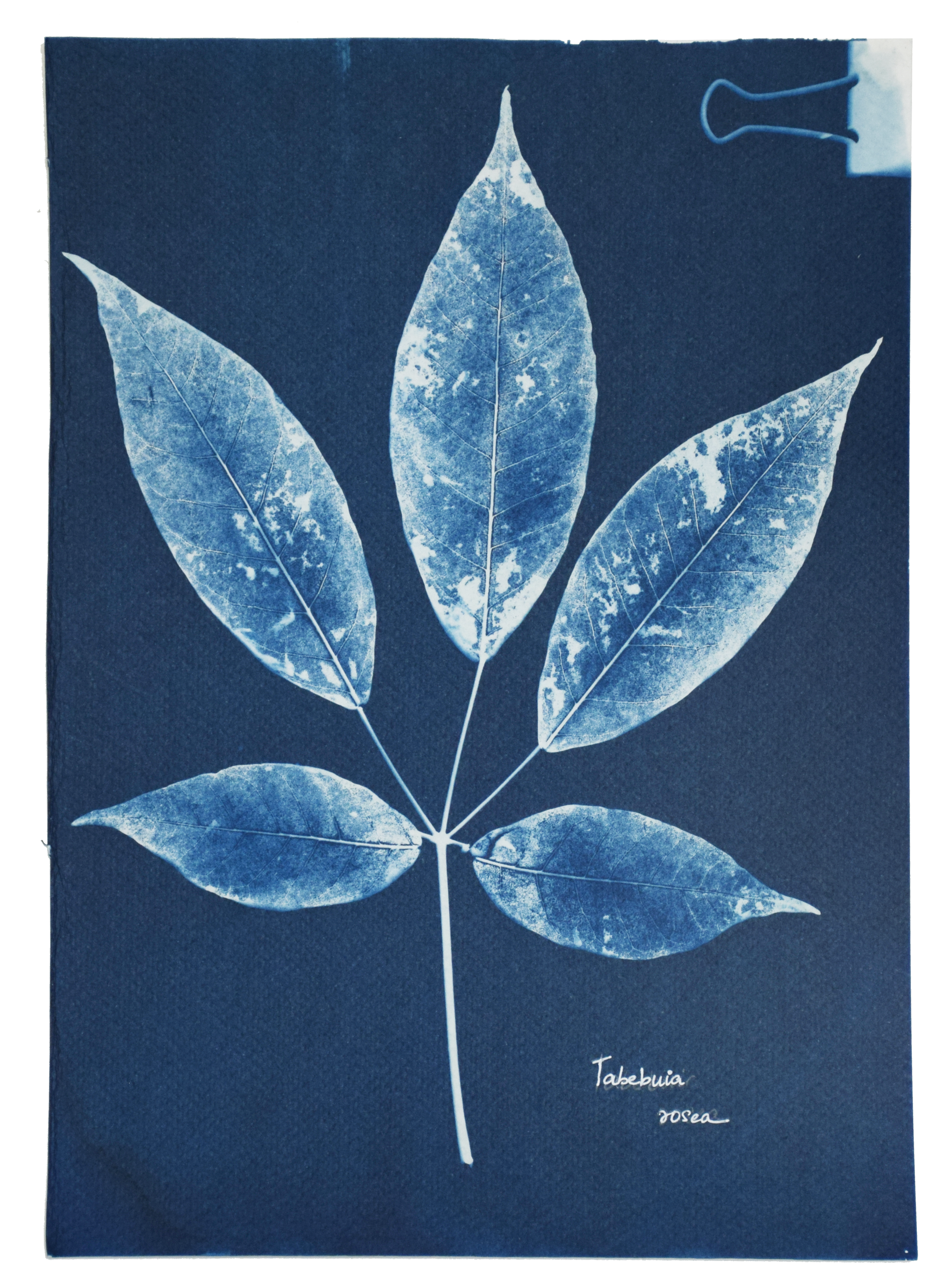
Tabebuia rosea (Pink poui) // Leaves compound, palmate, opposite, elliptic to oblong-ovate leaflets with acute or acuminate apex
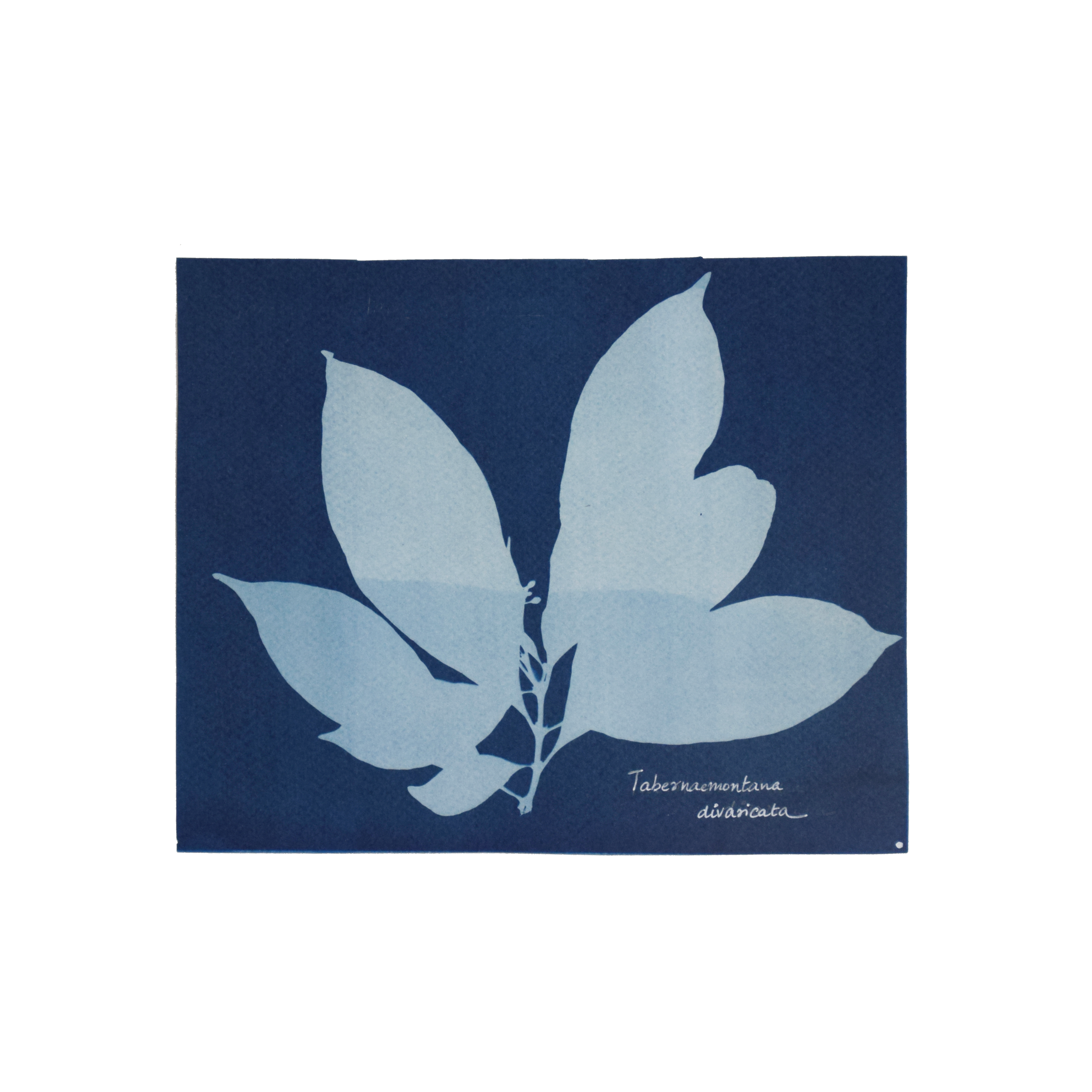
Tabernaemontana divaricata (Pinwheel flower) // Leaves simple, opposite, lanceolate or elliptic with acuminate or acute apex and cuneate base
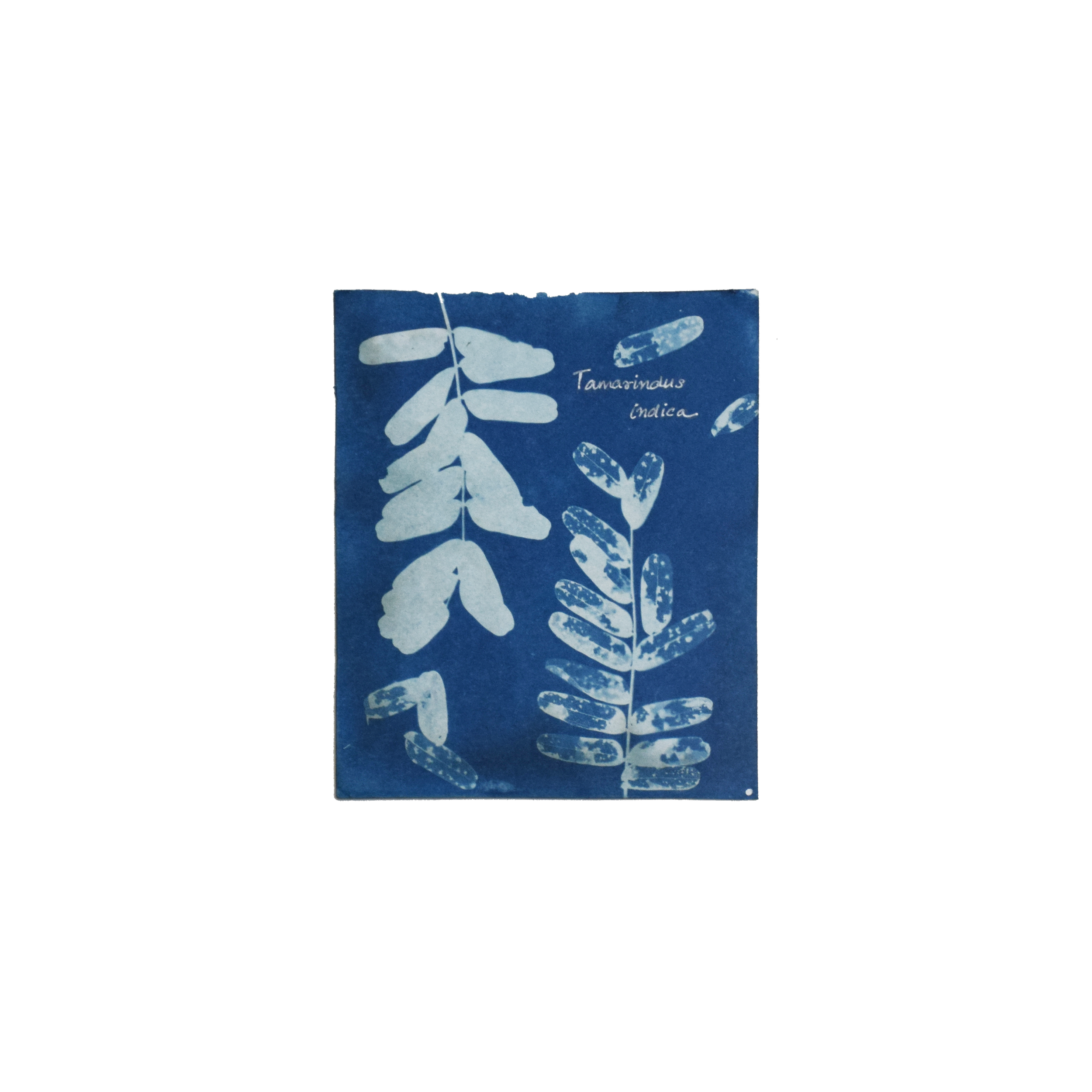
Tamarindus indica (Tamarind) // Leaves compound, paripinnate, alternate, narrowly oblong or elliptic-ovular leaflet with rounded to emarginate apex
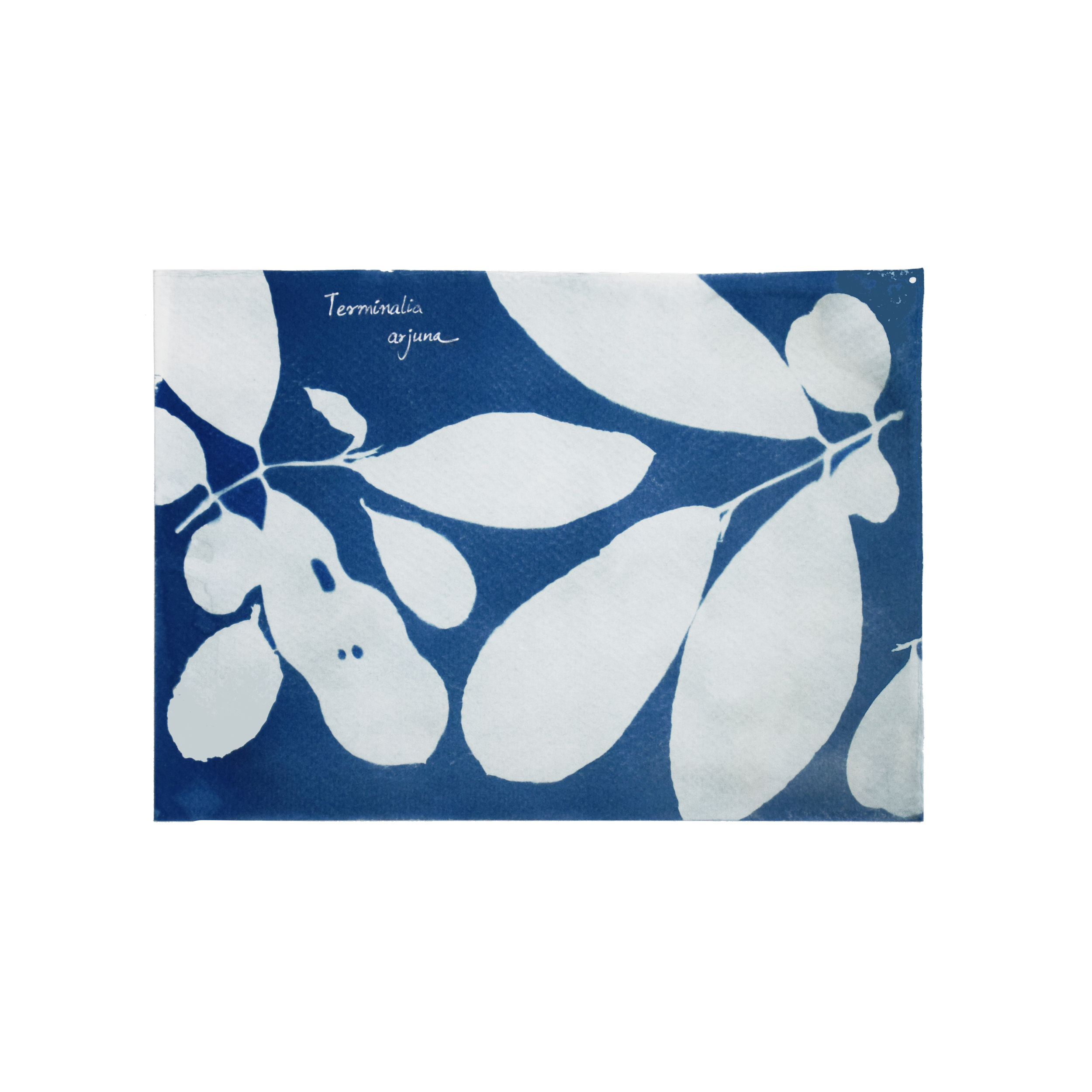
Terminalia arjuna (Arjuna) // Leaves simple, sub-opposite or alternate, oblong or elliptic with rounded or subcordate base and acute or obtuse apex
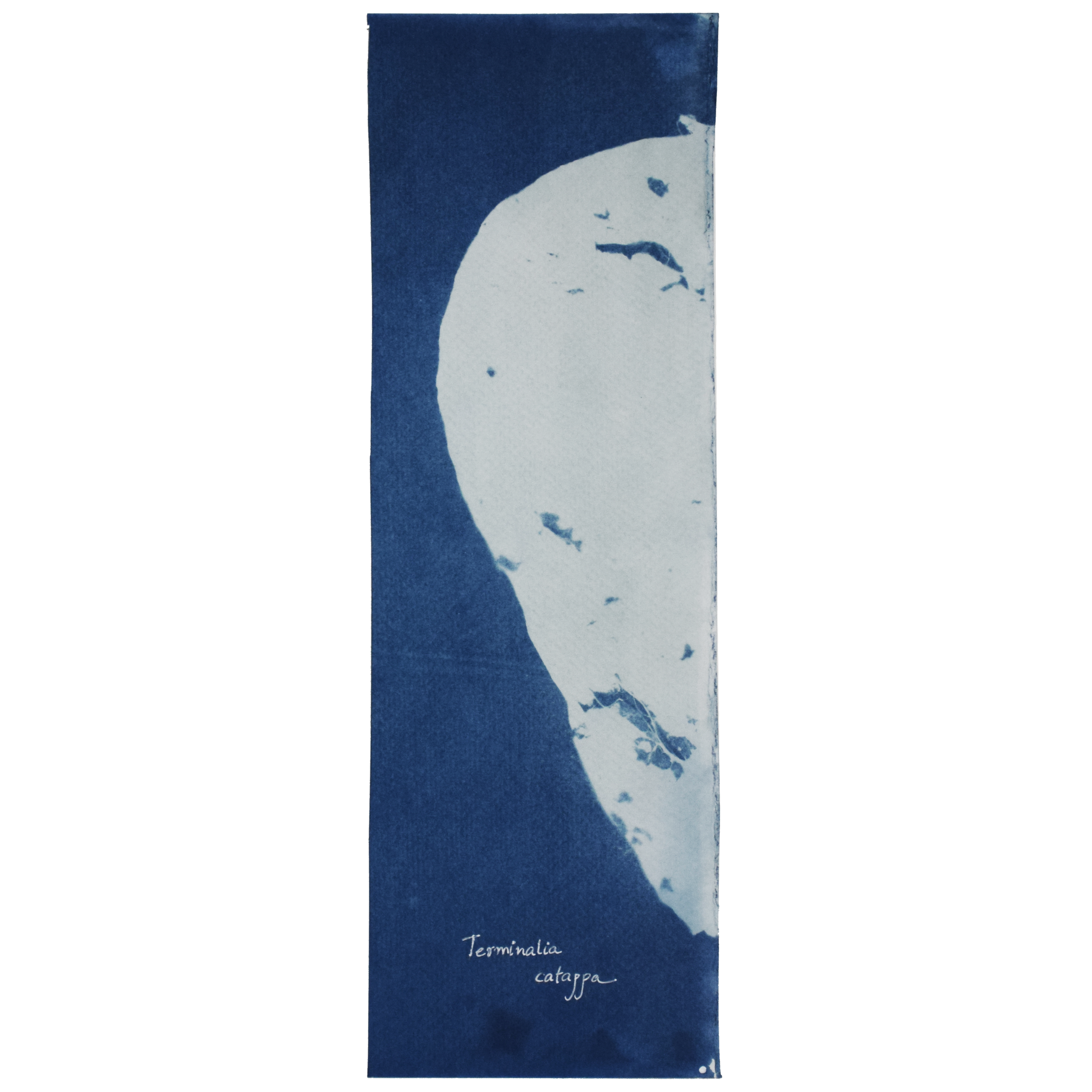
Terminalia catappa (Indian almond) // Leaves simple, alternate, spiral clusters, broadly obovate and spatulate with rounded apex and subcordate or cuneate base
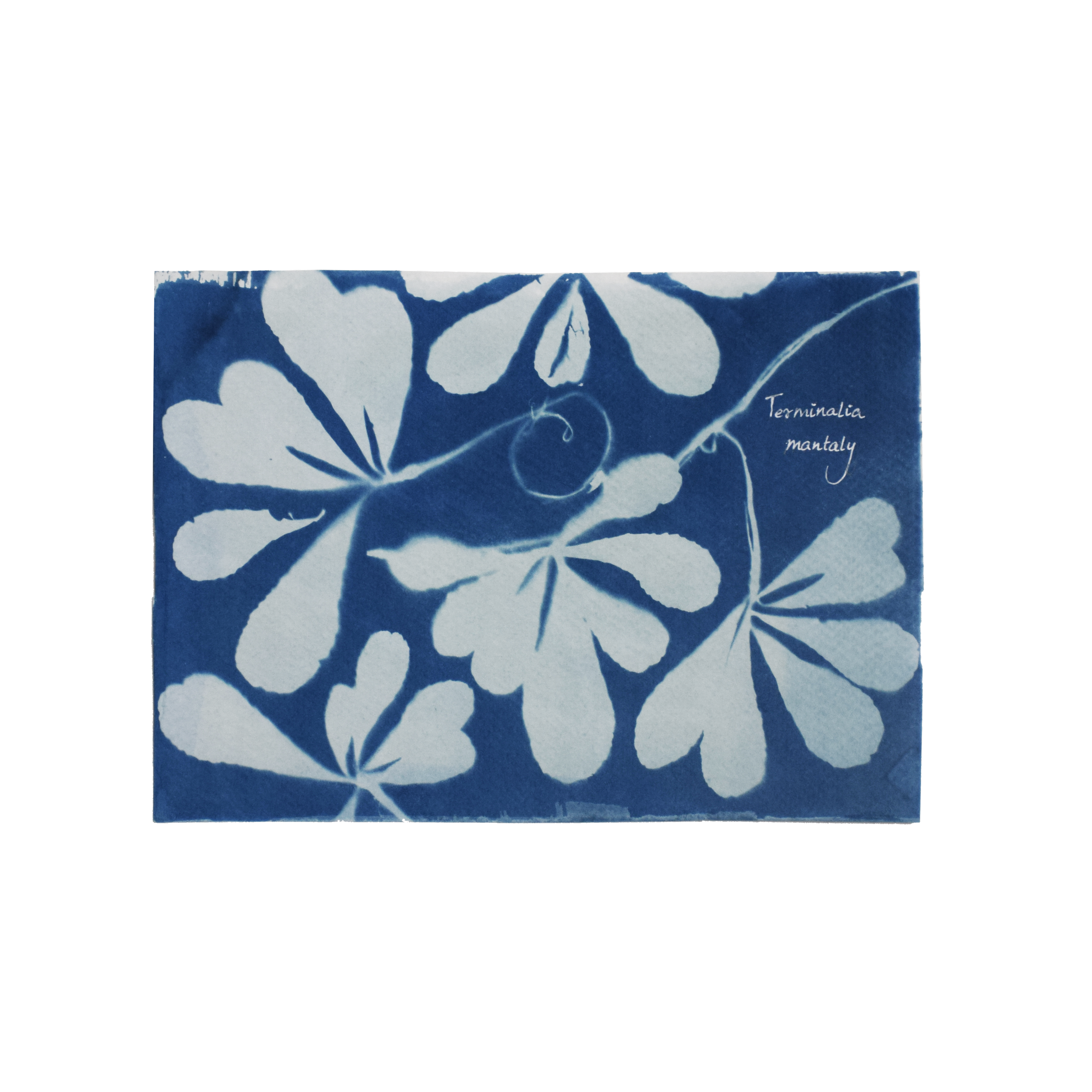
Terminalia mantaly (Madagascar almond) // Leaves simple, whorled, spathulate (spoon-shaped), oblong or elliptical, rounded or obtuse apex
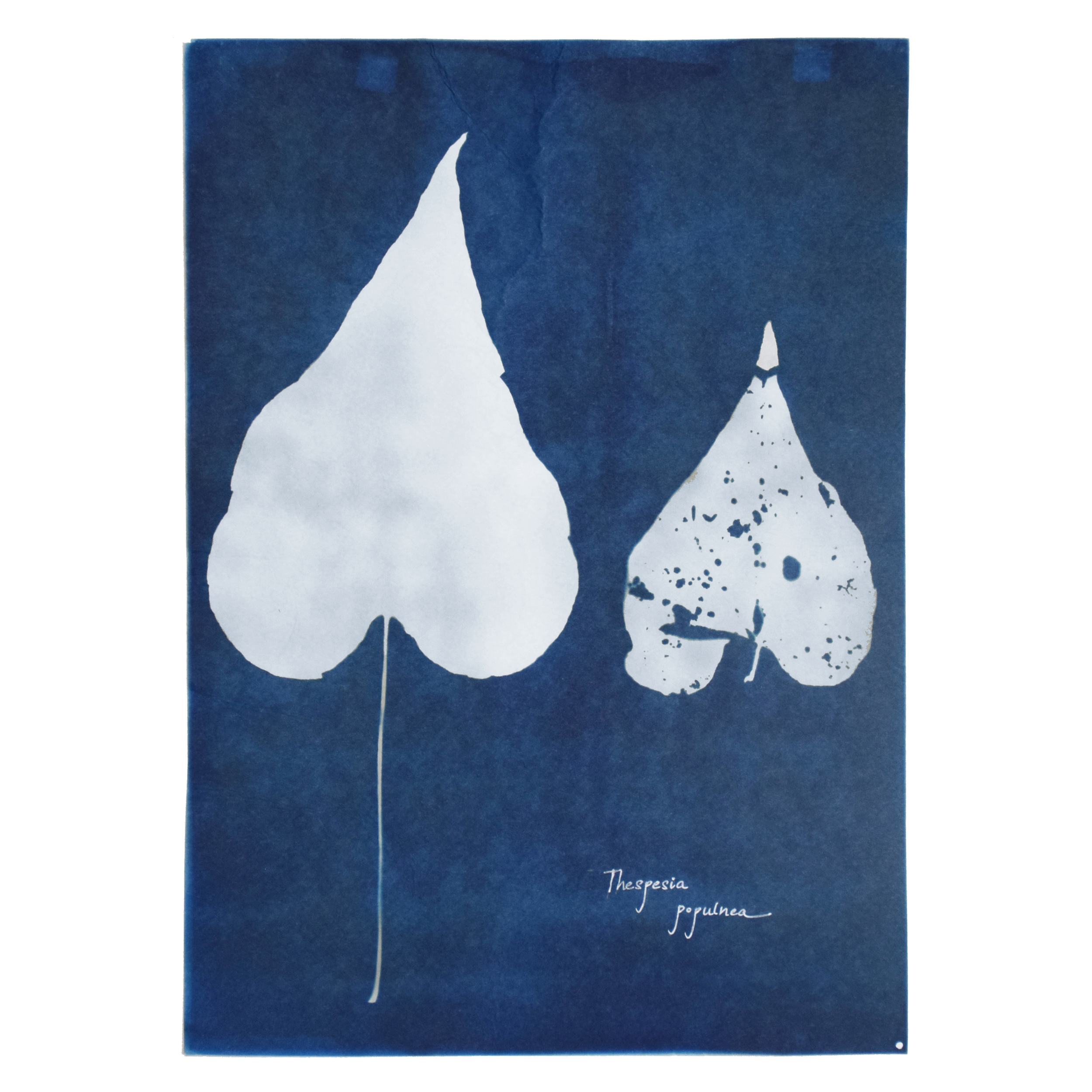
Thespesia populnea (Portia) // Leaves simple, alternate, spiral, cordate or broadly ovate, acuminate apex and long petiole

Vachellia farnesiana (Sweet acacia) // Leaves compound, bipinnate, alternate, linear-oblong to asymmetrical-oblong leaflets
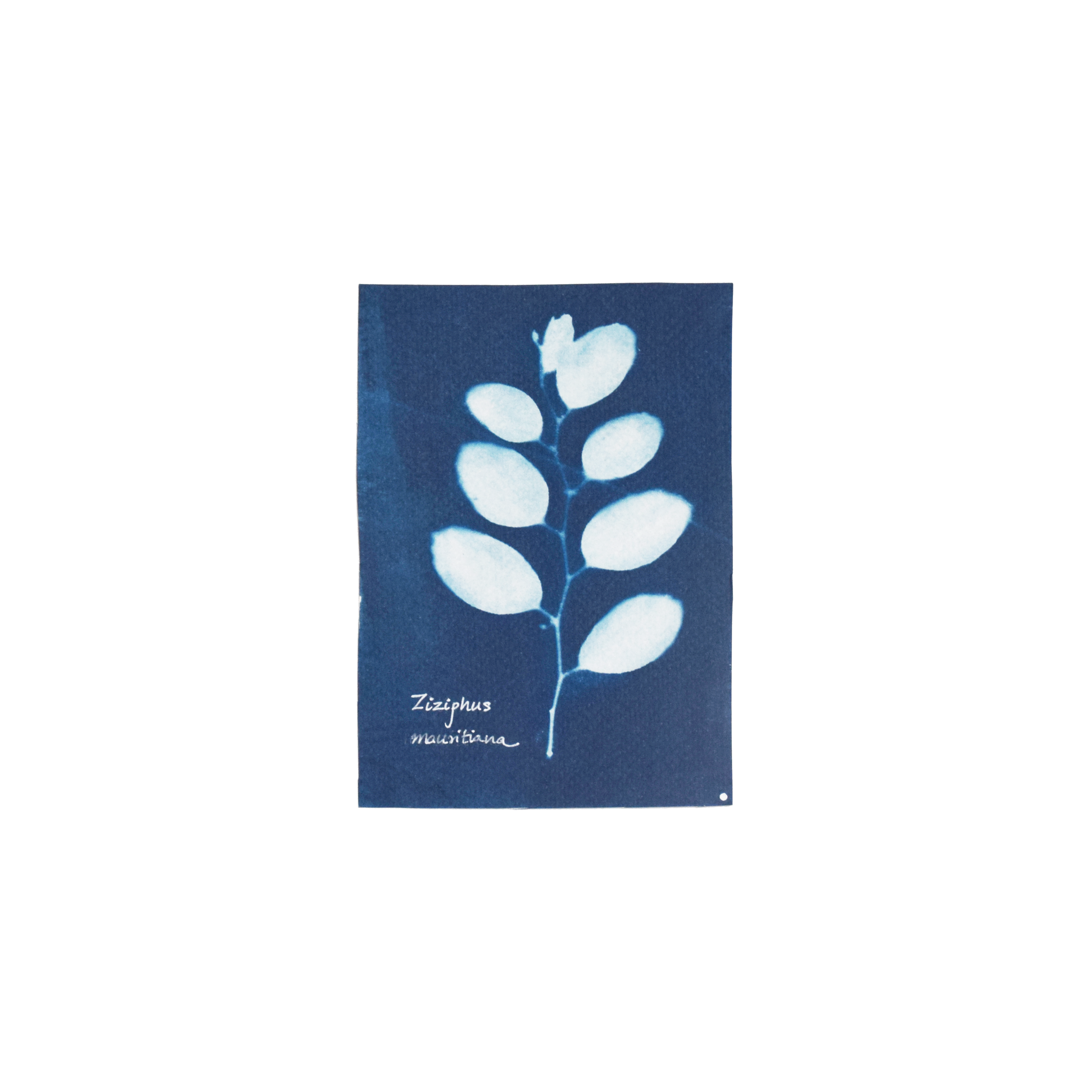
Ziziphus mauritiana (Indian jujube) // Leaves simple, alternate, zig-zag, sub-orbicular to ovate-oblong, serrulate leaves with three conspicuous main longitudinal veins originating from the base
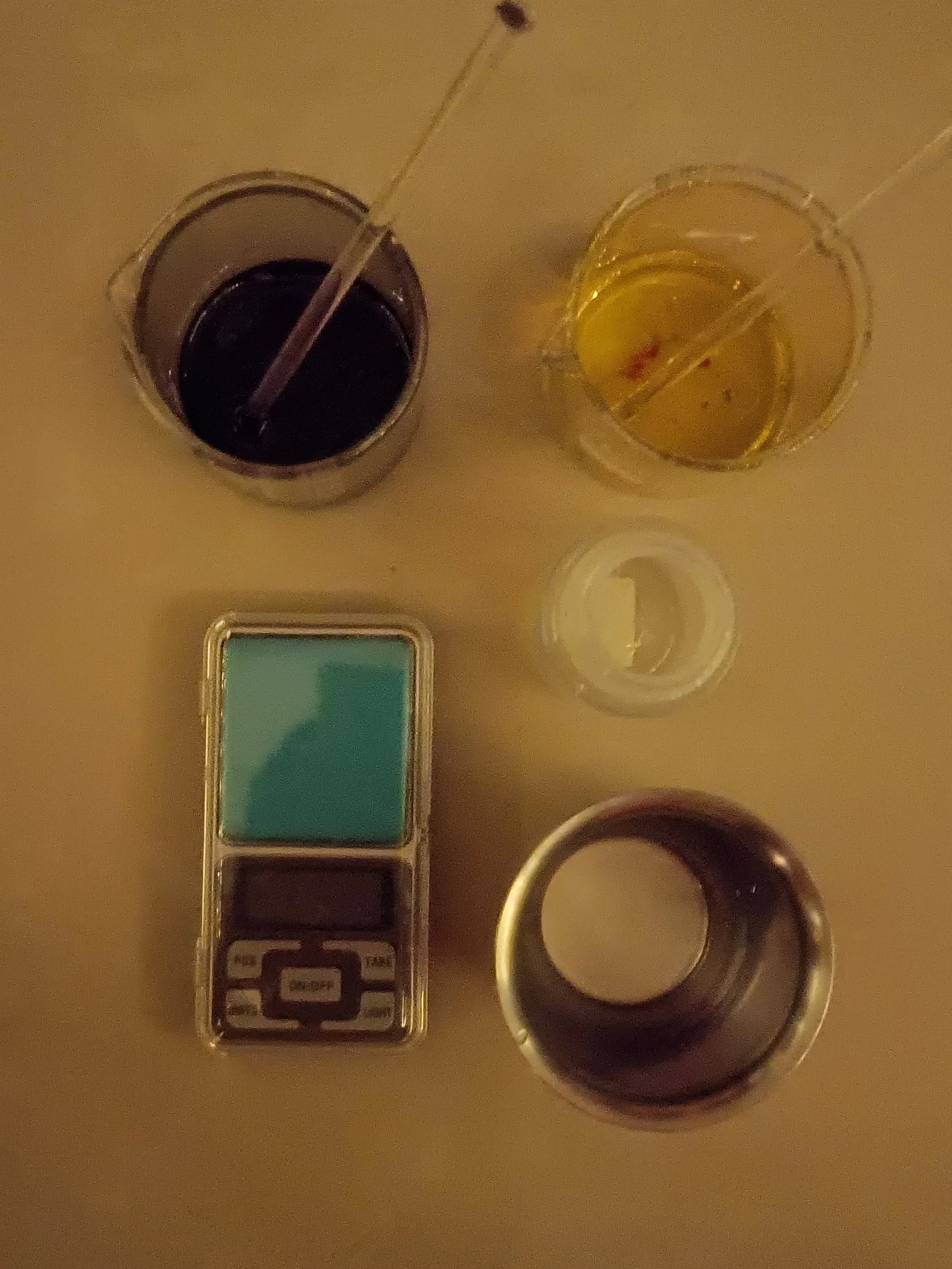
Cyanotype mixing
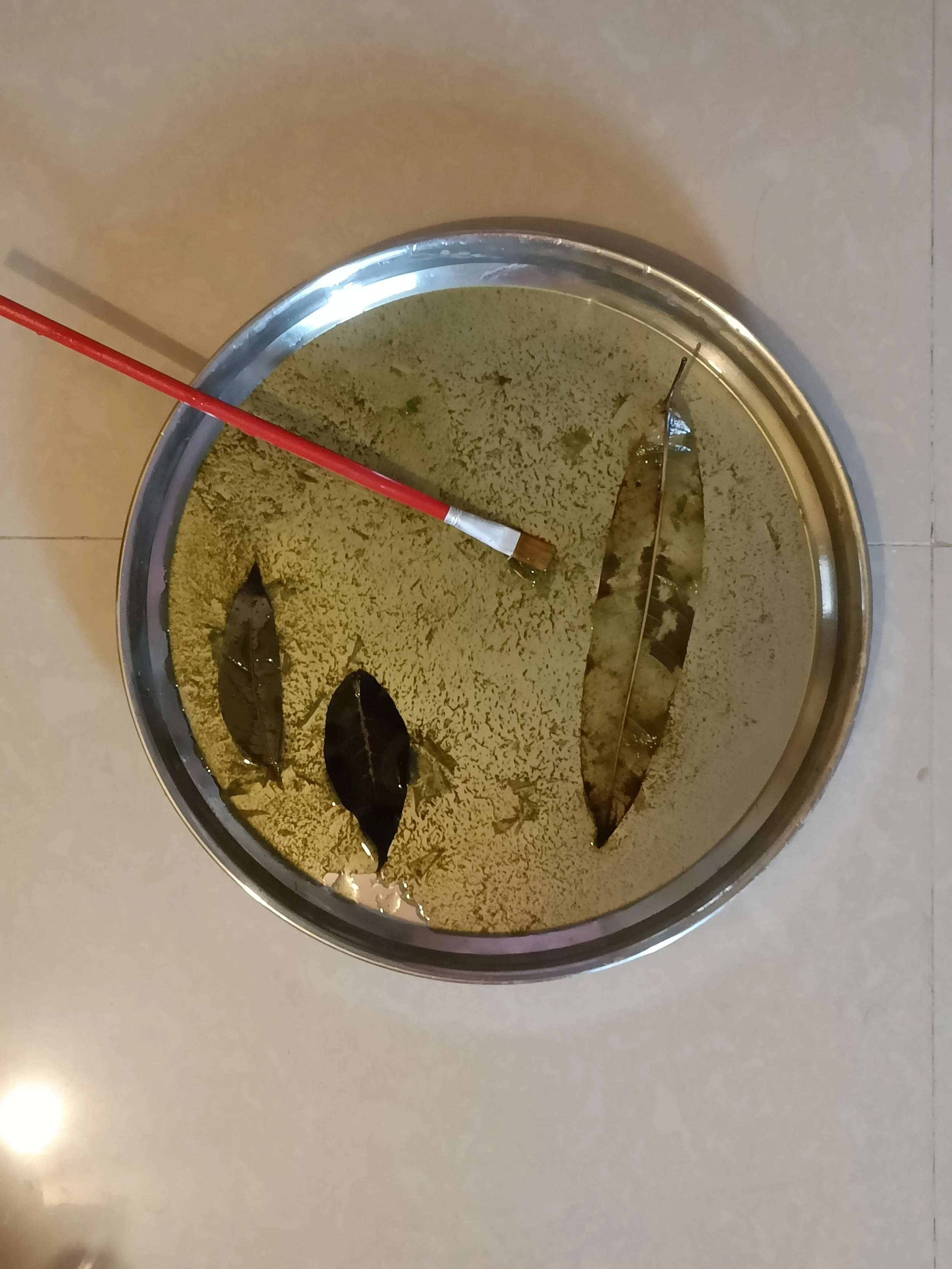
Leaf skeletonisation
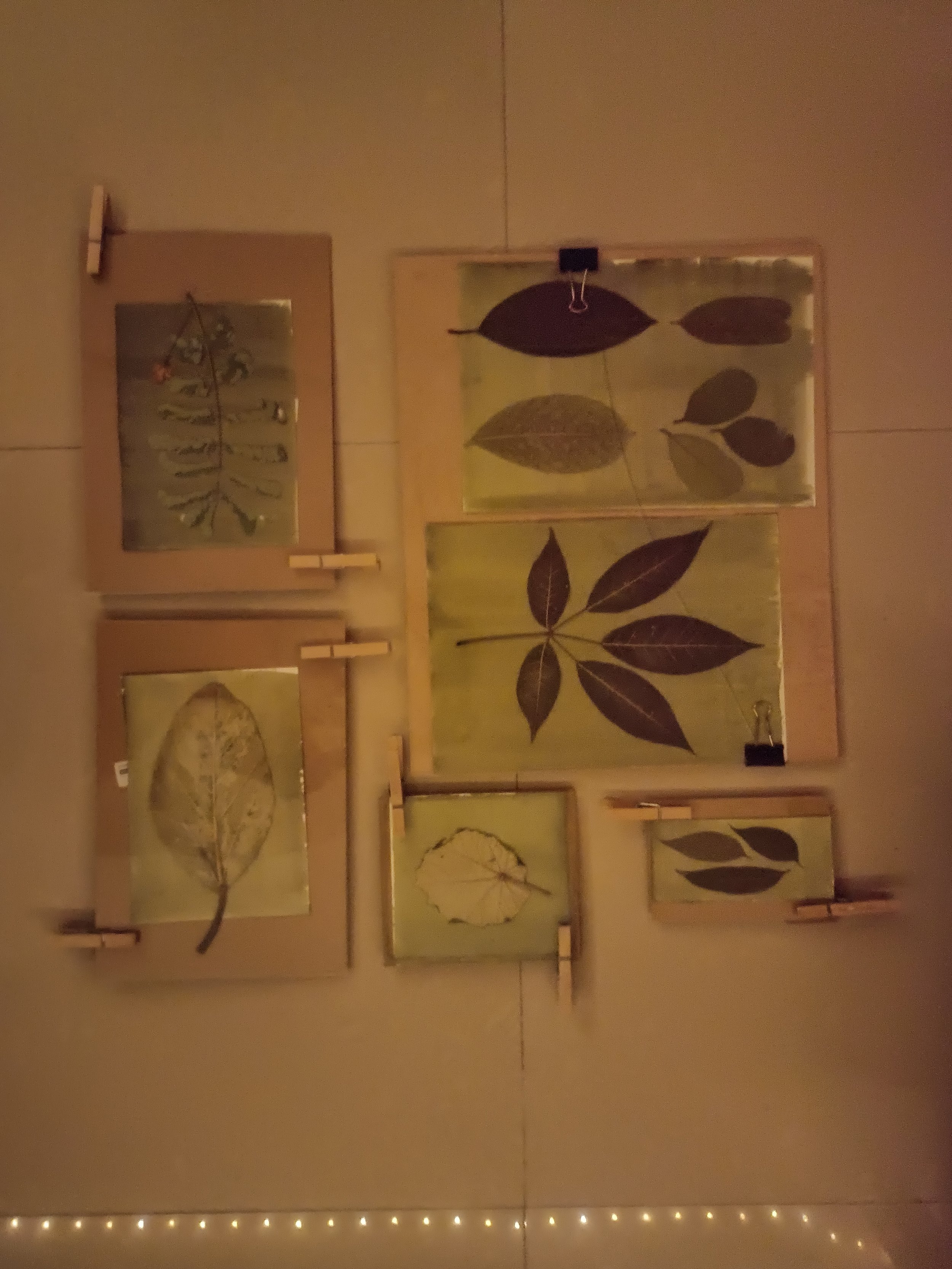
Pressed leaves on coated watercolour sheets
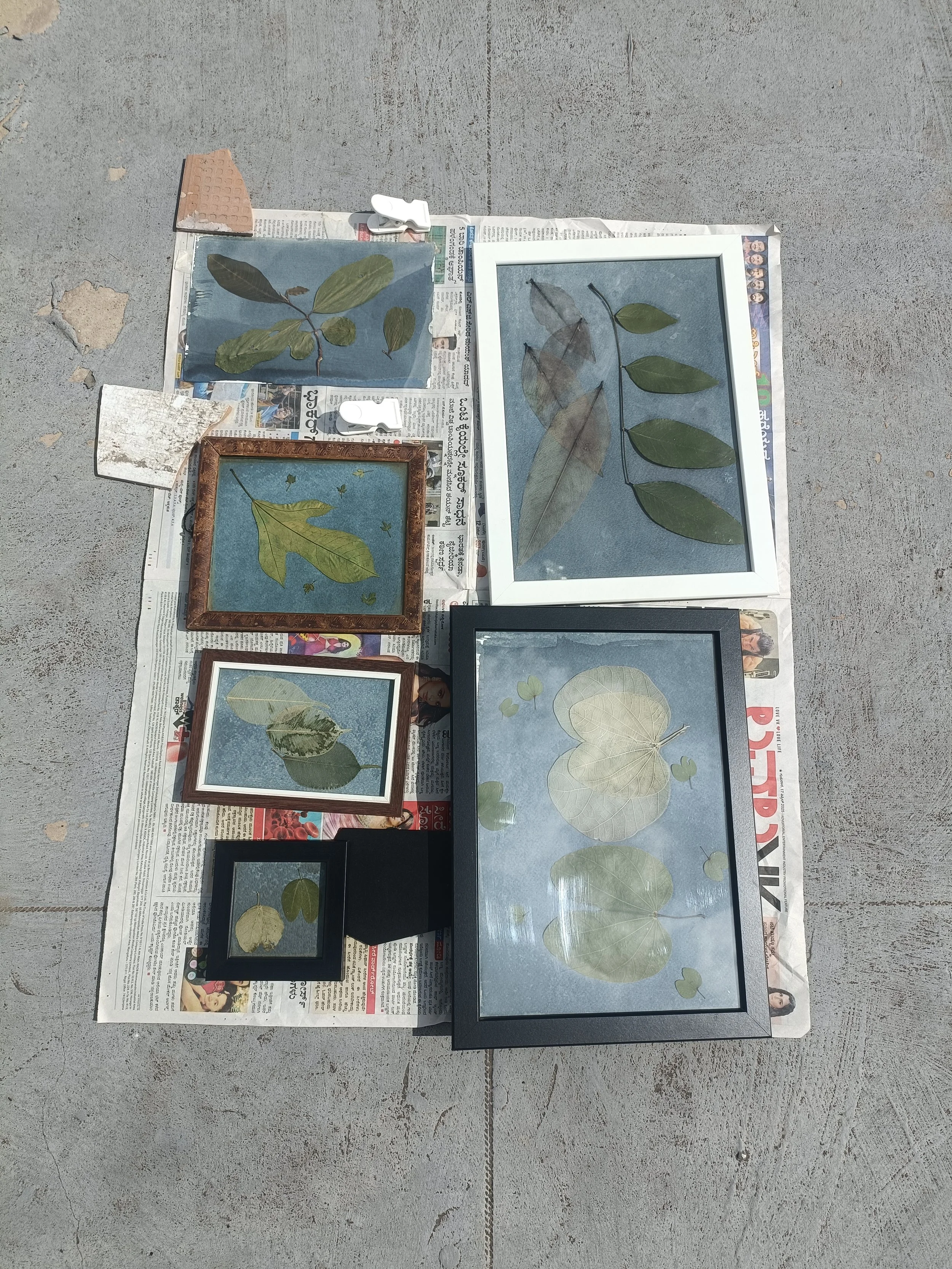
Prints - before exposure
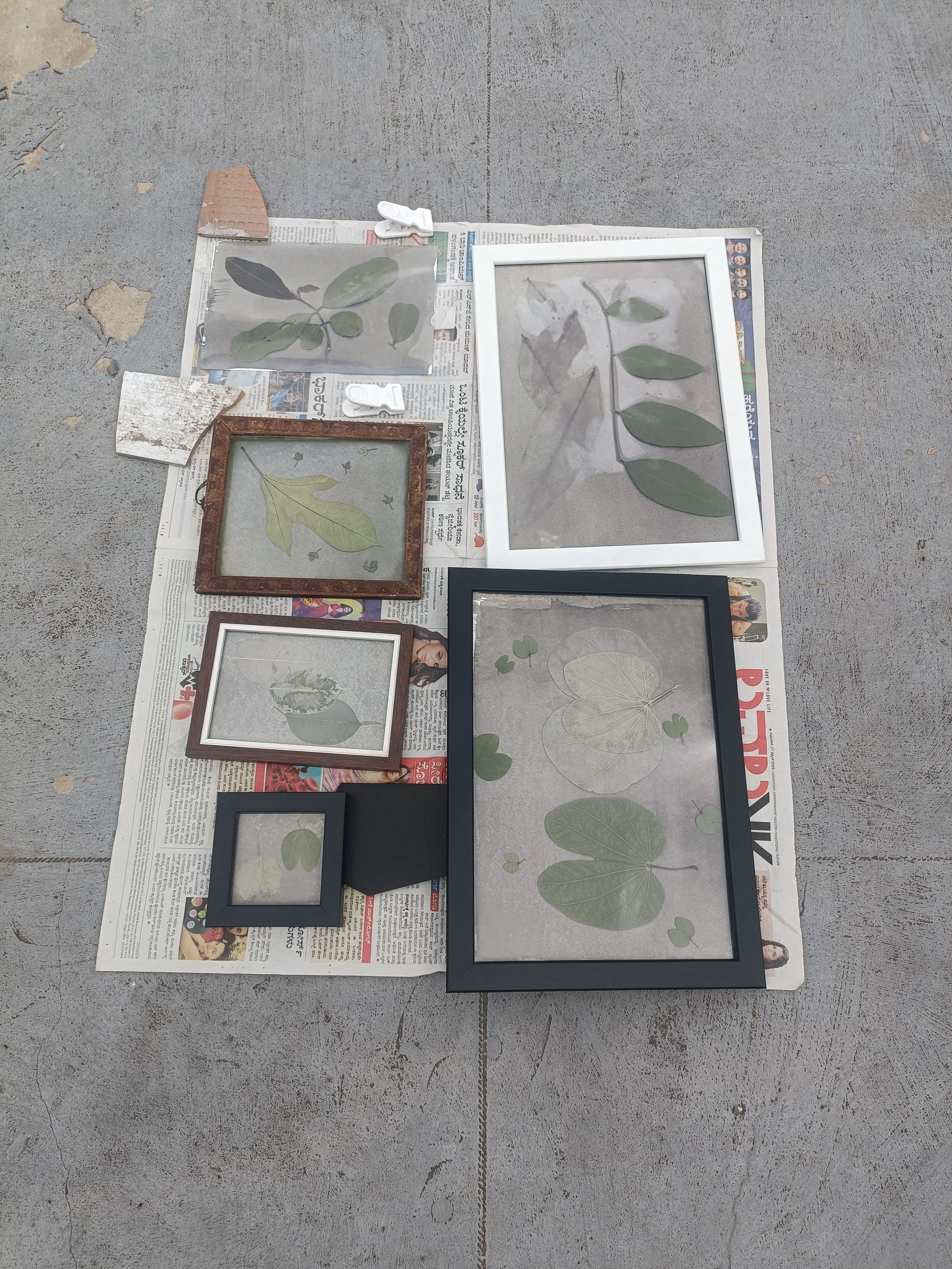
Prints - after exposure
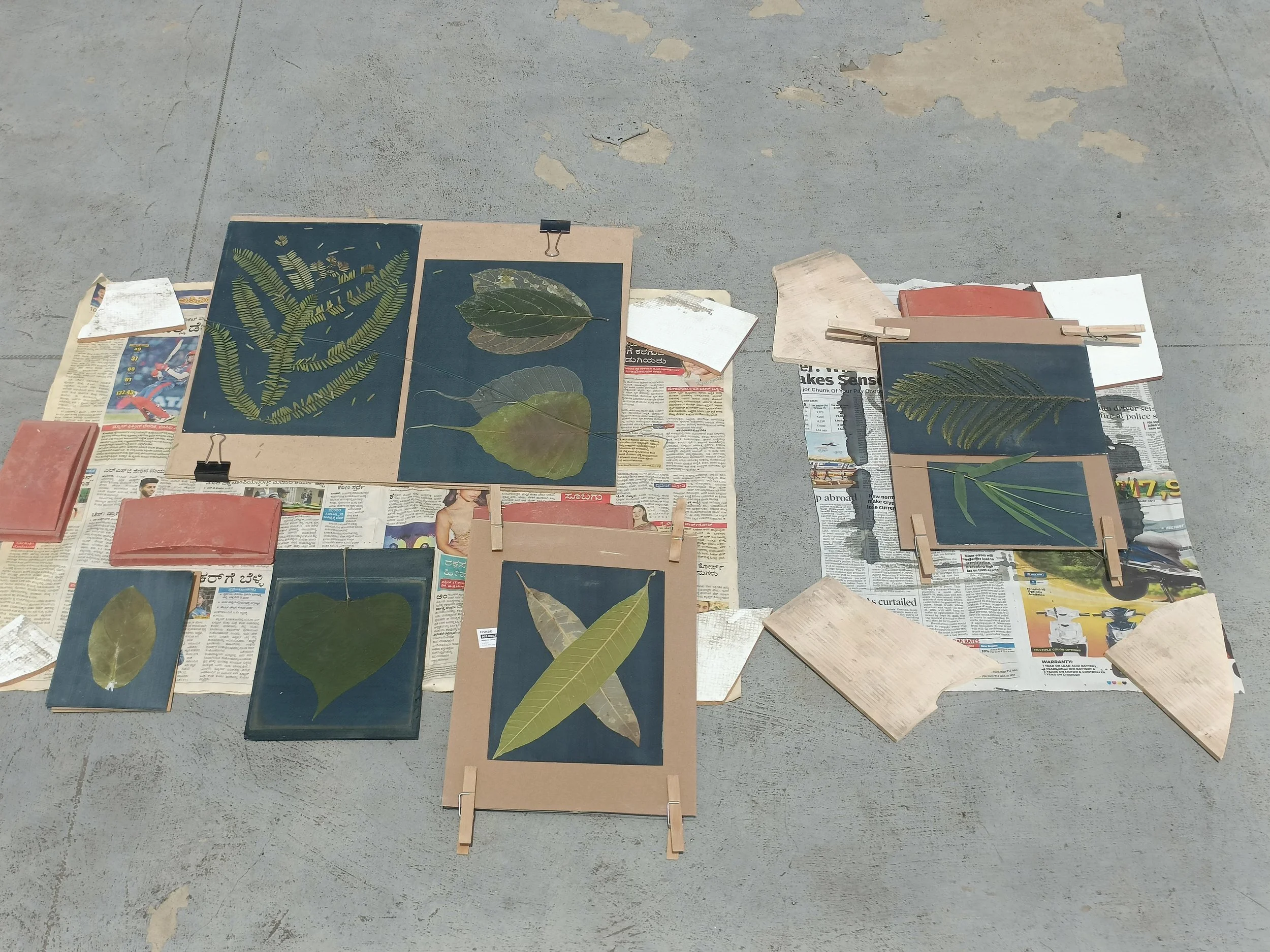
Prints - during exposure
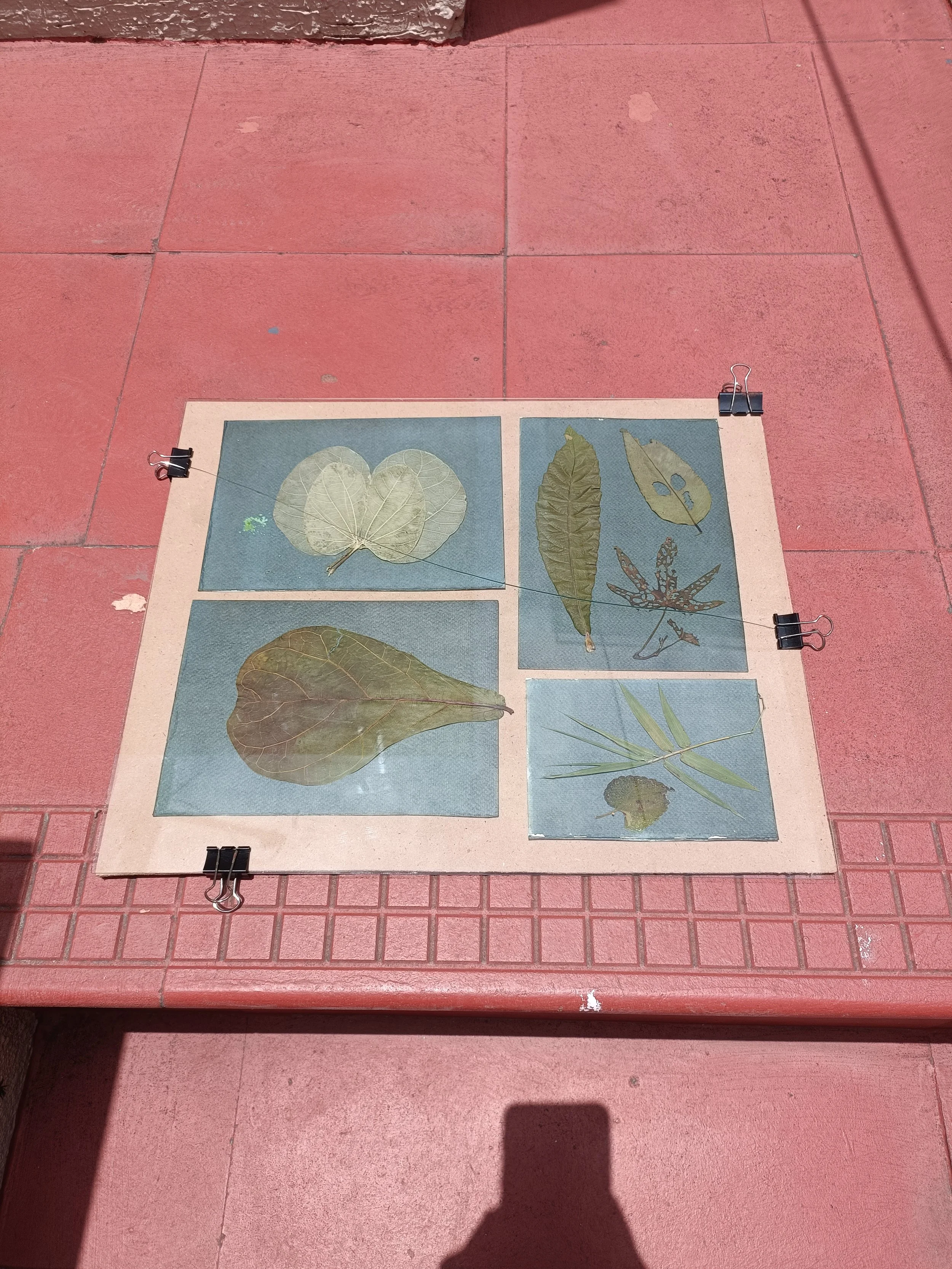
Prints - during exposure
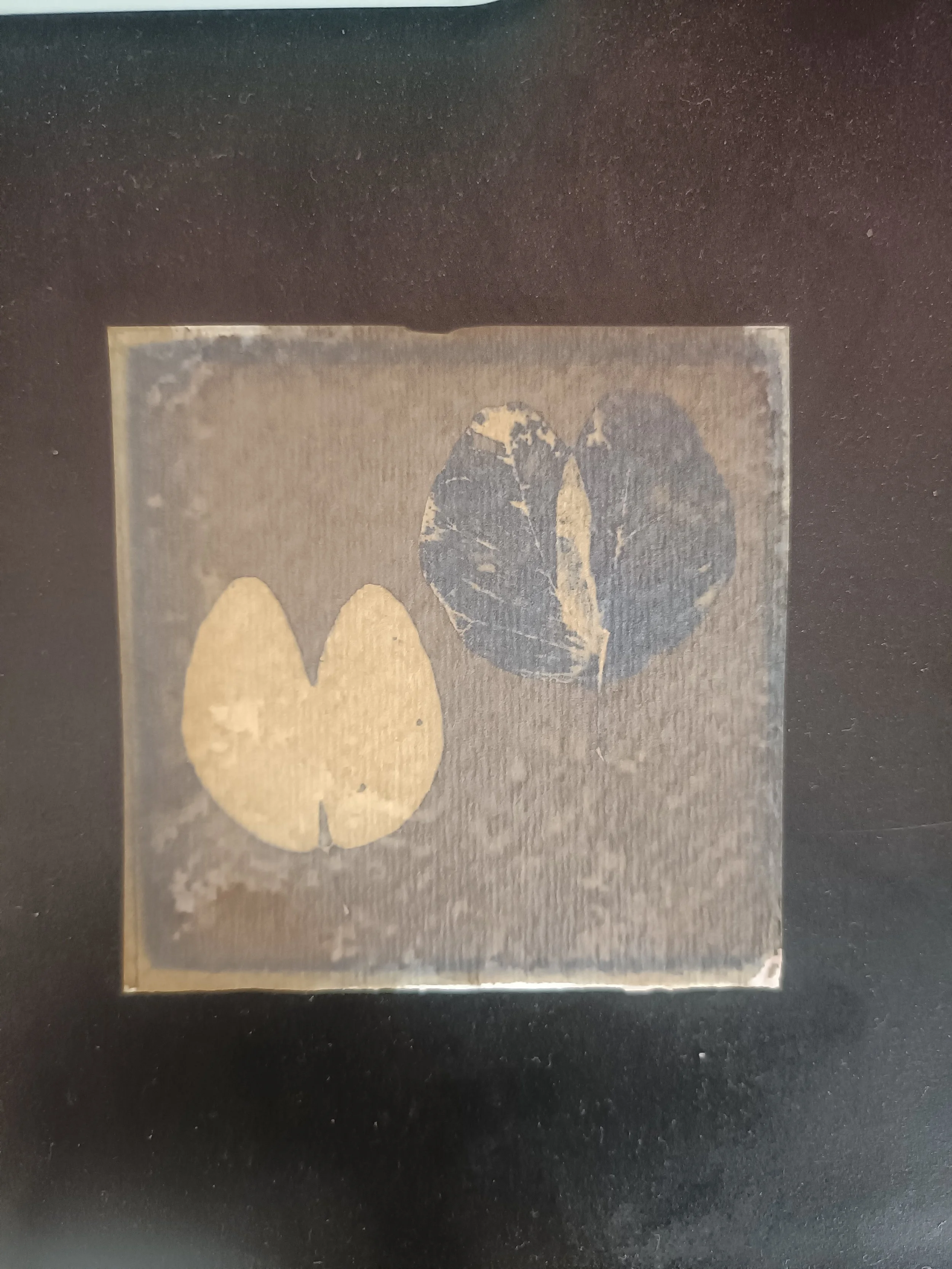
Pithecellobium dulce - after exposure, pre-rinsing
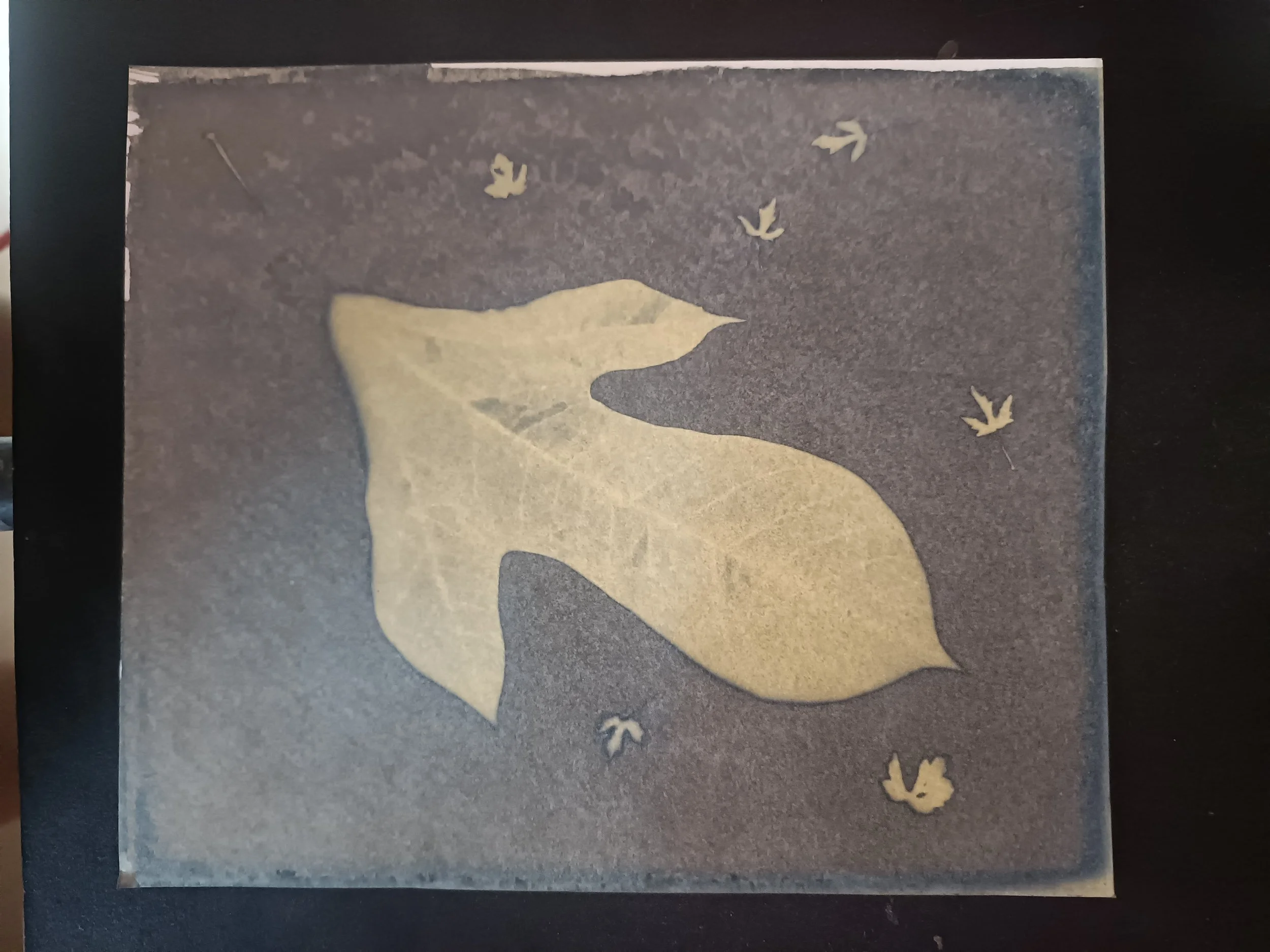
Jatropha integerrima - after exposure, pre-rinsing
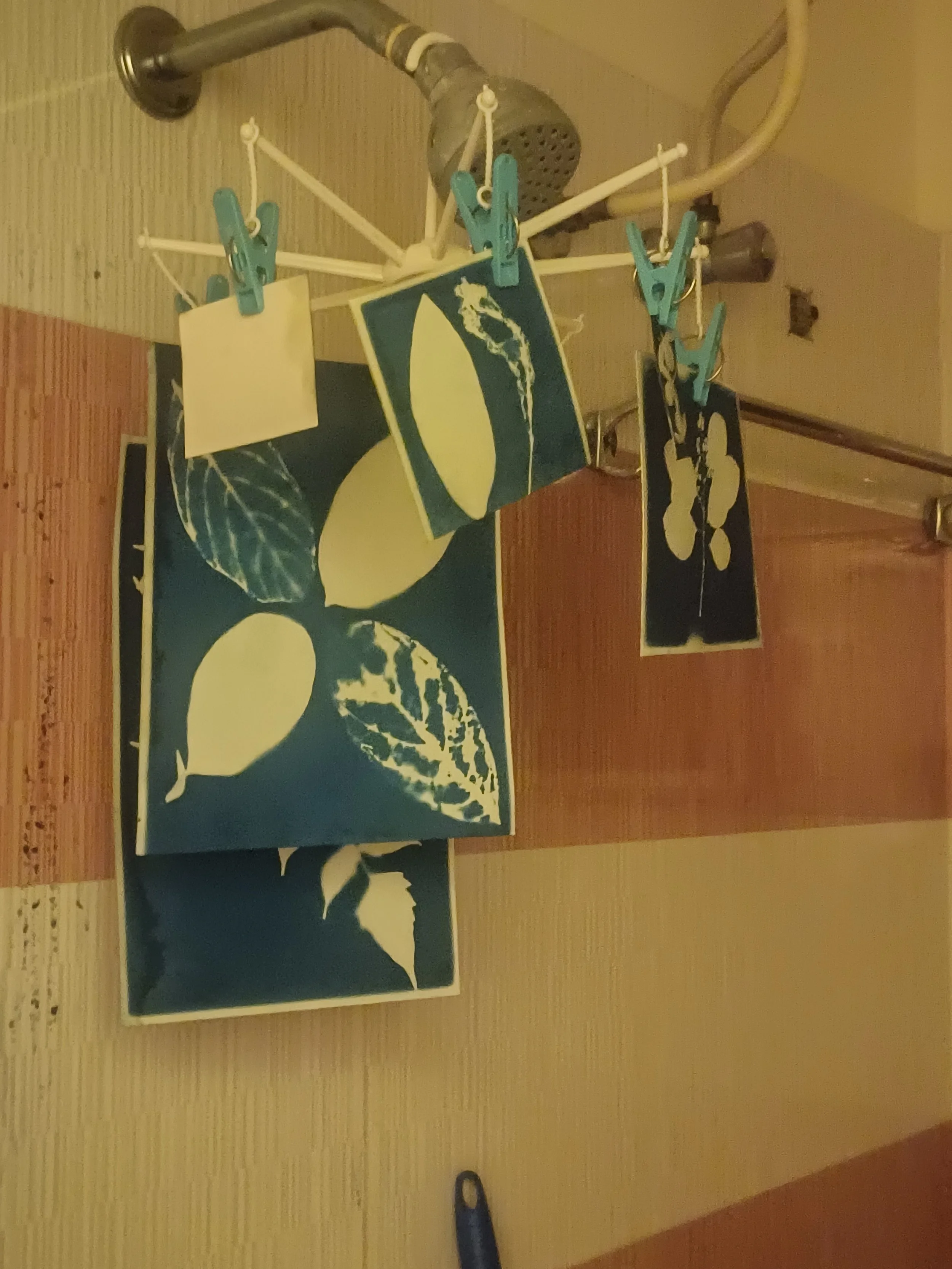
Drying post-rinse
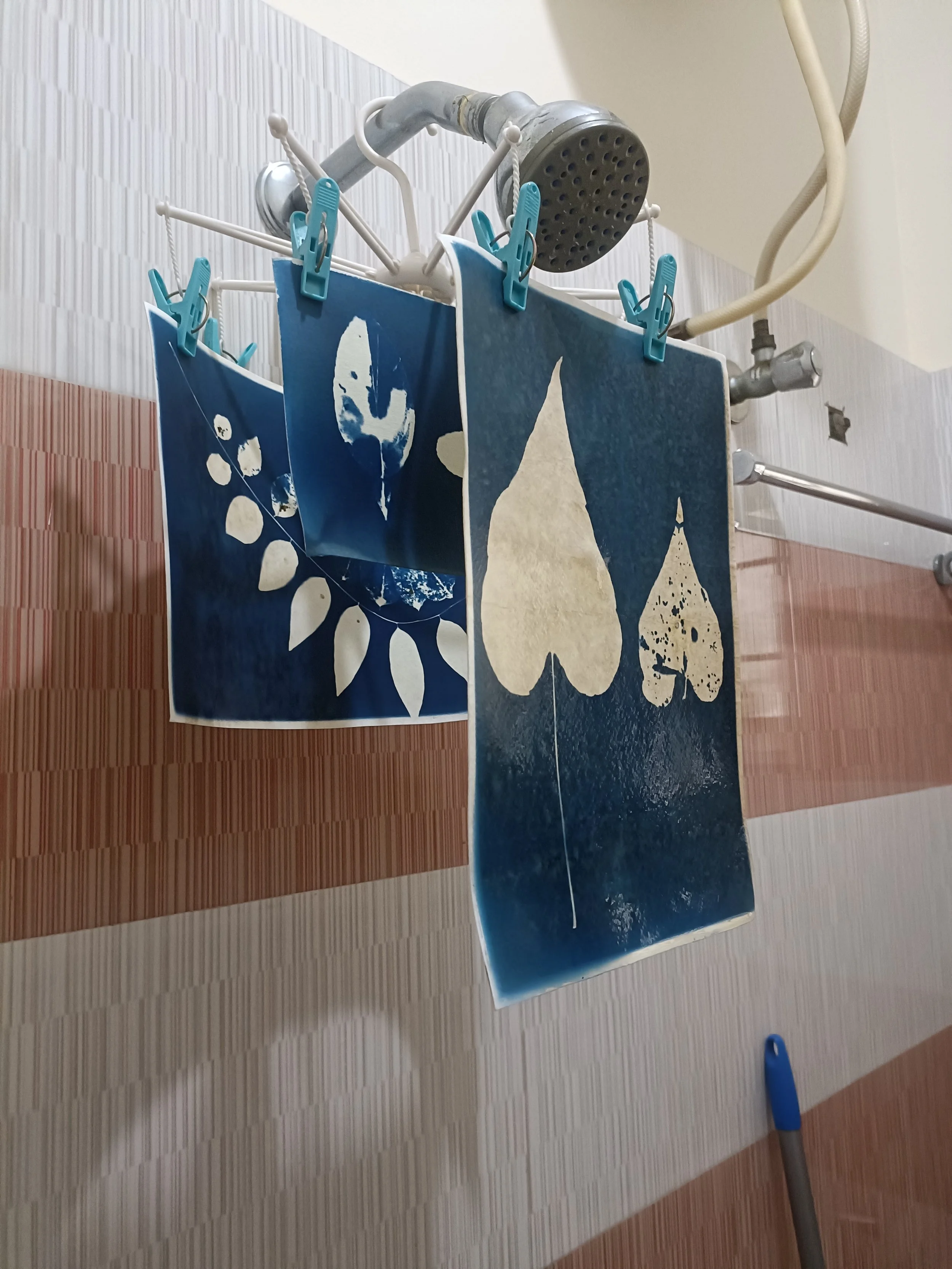
Drying post-rinse